
Foot Care With a Walking Frame: What Is Safe
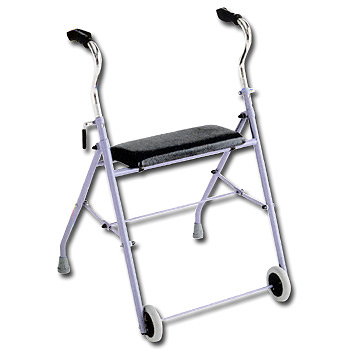
A walking frame changes how foot care should be planned around balance, transfers, reach, and the home setup. Photo source
The practical search query this article answers is walking frame foot care. It is for an older adult, partner, carer, or adult child who can see that foot care is needed, but also knows that bending, balancing, transferring, and travelling are no longer simple. This article belongs to the pillar Home visit foot care for older adults, diabetes, and reduced mobility.
Why a walking frame changes foot care
A walking frame can make everyday movement steadier, but it also tells you something important: foot care now has to be planned around balance, reach, confidence, and the home setup. The task is no longer just cutting nails. It is getting seated safely, keeping the frame within reach, avoiding twisting, checking shoes, and knowing when not to attempt DIY care.
The Royal College of Podiatry explains that foot pain can affect walking, exercise, getting out, and social activity in later life. It also notes that keeping toenails under control helps avoid soreness and shoe pressure. For someone using a frame, those small pressures matter because uncomfortable feet can change how they stand, shuffle, or transfer.
What to check before cutting nails or filing hard skin
Start with a calm seated check. Look at the nails, skin, heels, soles, between the toes, and the tops of the toes where shoes may rub. Check whether nails are long, thick, curved, crumbly, pressing into shoes, or catching on socks. Look for hard skin, cracks, redness, swelling, heat, bleeding, discharge, a wound, sudden colour change, or new pain.
NHS inform describes footcare as toenail care, skin care, and footwear checks, and links regular foot checks with comfort, confidence, independence, and falls prevention. That is a useful way to think about this problem. If the person relies on a frame, checking the feet and checking the walking setup belong together.
Make the room and chair safer first
Before anyone reaches for clippers, set up the room. Choose a firm chair with good back support. Keep the walking frame close enough for standing afterwards, but not where it becomes a trip hazard. Clear loose rugs, trailing cables, footstools, shopping bags, and anything that narrows the route back to the frame.
The NHS explains that walking frames need the right height and type for the person and whether they are used indoors or outdoors. Research on older people using walking frames found that guidance can be hard to follow at home, and that environmental constraints can reduce stability. In plain terms, the frame needs to suit real home use, and a cramped or awkward space can reduce stability.
When not to do DIY foot care
Do not cut nails or file hard skin if the person cannot sit steadily, cannot see clearly, cannot feel pain normally, or cannot keep the foot supported without strain. Do not use blades, razors, corn plasters, strong acid treatments, or sharp digging around nail edges. Do not continue if there is bleeding, a wound, spreading redness, heat, swelling, discharge, severe pain, sudden colour change, or a toe that looks infected.
Age UK notes that foot care in later life can reduce pain, infection risk, and falls risk, and that some people may need more specialised help if they have diabetes or take medicines such as warfarin. That boundary matters. If diabetes, poor circulation, blood thinners, numbness, a wound, or infection signs are involved, ask for appropriate advice before treating the foot as routine.
Why footwear matters when a frame is involved
The shoes or slippers matter because a frame does not remove foot pressure. It changes how the person moves with that pressure. Loose slippers can encourage shuffling. Tight shoes can press on long nails, corns, callus, swollen toes, or sore heels. Worn soles can make turning, standing, and short indoor walks less secure.
Age UK’s falls prevention advice encourages older adults to ask for help when unsteadiness starts stopping normal activities. Health in Aging also explains that foot pain in older adults can affect getting around, and that poorly fitting shoes are a common contributor. For a walking frame user, unsteadiness is worth acting on early, and sore feet and unsafe footwear can become part of the same mobility problem.
Where home visit foot care fits
Home visit foot care can help when the problem is stable but hard to manage safely alone. That might mean toenails are too hard to cut, the person cannot reach their feet, hard skin is uncomfortable, shoes need checking against pressure marks, or clinic travel now depends on lifts, steps, weather, fatigue, or fear of falling.
Home care providers commonly frame nail care at home around mobility, avoiding travel, keeping routines manageable, and spotting when a more specialist route is needed. Bluebird Care describes mobile nail care as useful for people with limited mobility or difficulty cutting their own nails. Home Instead describes at home nail care as a way to work around mobility issues and daily routines while recognising diabetes and circulation boundaries. The practical pattern is clear: limited mobility can make nail care at home more realistic, while risk checks should decide whether routine care is suitable.
For RMFC, this is the commercial point. Many families do not search because they want a blog about walking frames. They search because a parent can no longer manage a small but important task safely. A calm home visit foot care appointment in Surrey can make routine foot care more realistic while keeping warning signs in view.
A simple plan for families
If the feet look healthy but nails or hard skin are hard to manage, plan routine help before the problem becomes painful. If the person is unsteady, breathless, recently fallen, very anxious, or unable to transfer safely, focus on the chair, space, and support first. If there are medical warning signs, pause routine care and seek advice.
Use plain wording when asking for help: walking frame, reduced mobility, toenail cutting at home, hard nails, callus, sore toes, diabetes, blood thinners, poor circulation, home visit foot care, mobile foot care, chiropodist at home, or podiatrist at home. The clearer the starting information, the easier it is to decide whether routine home foot care is suitable or whether another route should come first.
Key Takeaways
- A walking frame changes foot care because balance, transfers, reach, footwear, and room setup all matter.
- Check the feet before cutting or filing, especially for redness, swelling, wounds, bleeding, discharge, numbness, or sudden colour change.
- Make the chair and floor space safe before starting.
- Do not attempt DIY cutting if diabetes, poor circulation, blood thinners, numbness, wounds, or infection signs make the situation higher risk.
- Home visit foot care can help when the issue is stable but self-care or clinic travel has become difficult.
Foot care with a walking frame is not about giving up independence. It is about adapting the task so it stays safe, calm, and realistic. If the person is struggling to reach, balance, travel, or cut nails confidently, it is sensible to stop forcing the job and arrange the right kind of help.
Need Professional Foot Care?
Book a home visit and get expert treatment without leaving your house