
Foot Care When Stairs Are Difficult
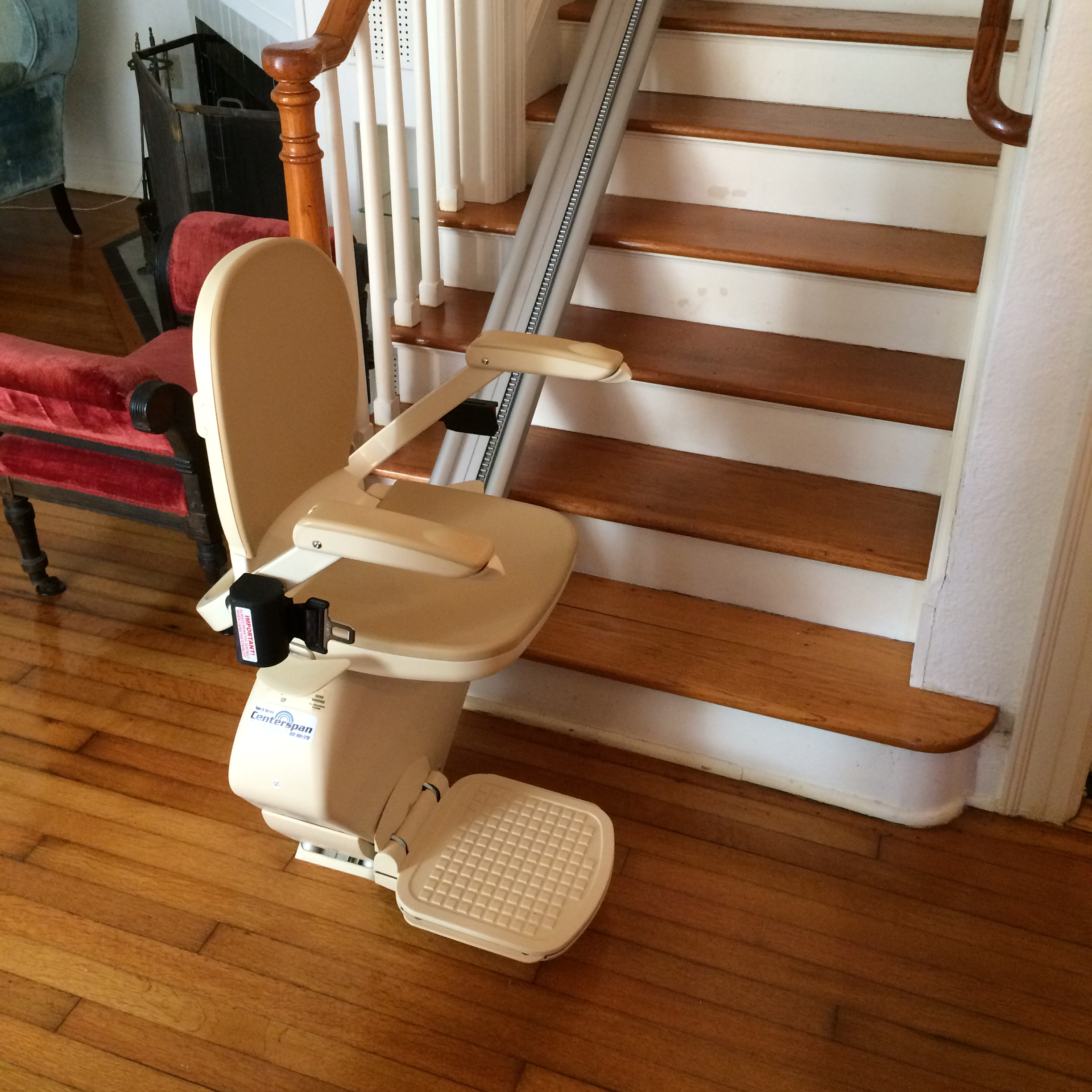
When stairs make clinic travel or bathroom foot care difficult, the safest next step is often to plan care around the person at home. Photo source
The practical search query this article answers is foot care when stairs are difficult. It is for an older adult, family member, or carer who can see that stairs now make clinic travel, bathroom nail cutting, or checking the feet feel unsafe. This article belongs to the pillar Home visit foot care for older adults, diabetes, and reduced mobility.
Why stairs change the foot care decision
Foot care can look like a small grooming job until the person has to manage stairs to do it. They may need to go upstairs to the bathroom, come downstairs for transport, step outside to a car, wait in a clinic, then do the journey again while tired. If feet already hurt, that can turn a routine appointment into a whole day of risk and stress.
The search intent is practical rather than casual. The person is asking whether foot care can be made safer when stairs are part of the problem. That matters commercially for Rithik's Mobile Foot Care because the reader may already be close to booking a home visit foot care appointment, a mobile foot care visit, a chiropodist at home, or toenail cutting at home for someone who cannot travel comfortably.
Age UK says good foot care in later life can reduce pain, infection risk, and falls risk, and that some foot care services can be accessed at home if someone is housebound. The useful question is not only whether the nails need cutting. It is whether the route to care is becoming unsafe.
Look at what the stairs are stopping
Start by naming the exact barrier. Is the person avoiding stairs because their feet hurt, because they feel unsteady, because they are breathless, because shoes rub, because they fear falling, or because they cannot bend safely once they reach the bathroom? Each answer points to a different plan.
Health in Aging notes that foot pain and foot disorders are common in older people and can make walking, climbing stairs, getting out of a chair, preparing meals, using the toilet, balance, and falls harder to manage. That is why a missed nail trim can quickly become a mobility and independence problem.
Watch for clues rather than waiting for the person to complain. They may wear slippers all day because shoes hurt, stop going upstairs except when essential, ask family to bring items down, put off bathing, or delay appointments because the journey feels too much. Those behaviour changes are often more useful than asking whether the feet look bad.
Check fall risk before forcing the journey
If stairs already feel difficult, do not force a clinic journey just because the appointment is routine. The NHS falls guidance says people at risk should wear shoes or slippers that fit well, do not slip off, and have good grip, and should consider safety rails, grab rails, non slip mats, walking aids, and help from services when balance or mobility is a concern. It also advises people not to try tasks they find difficult such as lifting or reaching, and to ask someone to help.
The National Institute on Aging gives very practical home checks for stairs: handrails on both sides where possible, secure rails, good lighting, clear stairs, fixed carpets, and no loose rugs. If those basics are missing, foot care should be planned in a way that does not add another avoidable trip up or down stairs.
A home visit does not remove every risk, but it can remove the travel risk. The appointment can happen where the person is already settled, with a stable chair, good light, footwear nearby, medication and diabetes information available, and a family member or carer present if needed.
Do not treat diabetes as routine trimming
Stairs can be the access problem, but diabetes can be the clinical caution. NICE says adults with diabetes should have regular foot checks and that a check should look at skin changes, ulcers, sores, hard skin, inflammation or infection, foot shape, footwear, feeling, blood flow, and risk level. That is far more than asking whether the nails are long.
Diabetes UK explains that diabetes can damage nerves and blood supply in the feet, which means someone may not feel injuries properly and cuts or sores may heal less well. If there is diabetes plus broken skin, discharge, spreading redness, heat, swelling, sudden pain, colour change, or a wound, seek appropriate medical advice rather than booking ordinary nail cutting first.
For a lower risk person with diabetes and no urgent changes, routine home visit foot care may still be helpful if travel is the barrier. The key is to share the diabetes history before the appointment so the practitioner knows when routine care is suitable and when the person needs referral or medical review.
Make the home setup easier
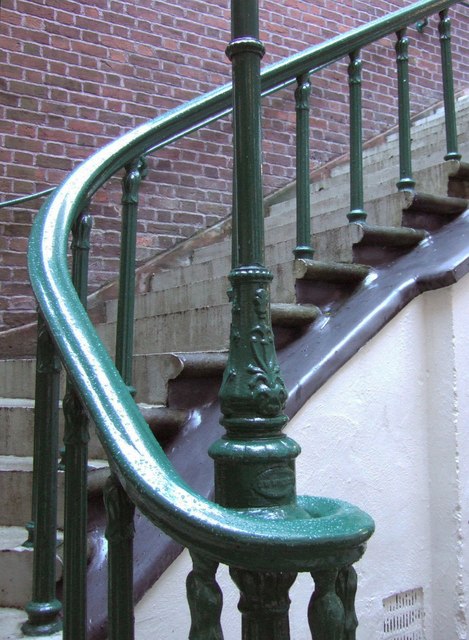
Stair safety, rails, lighting, and clear access should be part of the plan when foot care is becoming difficult. Photo source
A useful home visit starts before the practitioner arrives. Choose a chair that is stable and comfortable, ideally with the person sitting where there is good light and enough room around the feet. Have socks, shoes, slippers, creams, dressings, medication information, diabetes details, and any recent foot concerns ready.
The Royal College of Podiatry explains that ageing feet can become drier, more fragile, more painful, and harder to manage, and that keeping toenails under control helps prevent soreness, infection, and ulceration from nails pressing into shoes. It also stresses footwear that fits well and supports the foot rather than loose slippers that encourage shuffling.
If the person cannot safely come downstairs, say so when enquiring. A practitioner may need to know whether there is parking, whether equipment needs to be carried upstairs, whether a carer can be present, and whether the person can sit safely with both feet accessible. Do not hide the stair problem out of politeness. It is part of planning safe care.
When family help is not enough
Family members often step in because they want to help quickly. That is understandable, but toenail cutting near stairs and bathrooms can become awkward: poor light, wet floors, low stools, reaching over the bath, thick nails, shaky hands, or a parent pulling away because it hurts. Bigger clippers are not always the safer answer.
Carers UK says arranging support for someone can feel difficult because families often do not know where to start. If foot care is only one sign that daily support is becoming harder, it may be sensible to think about wider care at home, not just one nail appointment.
The practical dividing line is safety. If a relative can comfortably check feet, help with socks, and notice changes, that support is valuable. If they are cutting thick nails while the person is perched on a bathroom seat or exhausted after stairs, it is time to consider professional help or a wider support plan.
When to ask about home adaptations
If stairs are affecting more than foot care, ask about a home assessment. The NHS explains that home adaptations such as grab rails, ramps, lighting changes, and stairlifts can make everyday tasks safer when mobility becomes harder, and that a local council home assessment can help identify what is needed. Foot care may be the issue that reveals the bigger access problem.
This might include rails, better lighting, safer bathroom access, equipment, or advice from an occupational therapist. A foot care visit can help with nails, skin comfort, corns, callus, and checking what has changed, but it cannot fix an unsafe staircase or a bathroom layout that makes self care risky.
Think of the plan in layers: urgent medical signs first, fall and stair safety second, then routine foot care that is realistic for the person. That order helps families avoid treating a home safety problem as if it were only a nail cutting problem.
When to book mobile foot care
Mobile foot care is worth considering when the main barrier is access rather than an emergency. Common examples include long toenails catching on socks, thick nails that are difficult to cut, hard skin causing discomfort, corns that make shoes painful, routine checks for someone with reduced mobility, or an older parent who delays care because stairs and transport feel overwhelming.
It is not the right route for every situation. New wounds, spreading redness, heat, swelling, discharge, sudden severe pain, a hot swollen foot, a suspected infection, or a diabetes related concern should be escalated to the GP, NHS services, or urgent care route as appropriate. Routine care should not delay medical assessment.
For families in Surrey, Rithik's Mobile Foot Care can help with a calm home visit conversation when stairs, reduced mobility, fatigue, or travel make ordinary foot care difficult. The best enquiry is simple: explain the stair problem, the foot problem, any diabetes or circulation history, and what has changed in walking or confidence.
Key Takeaways
- Stairs can turn routine foot care into a travel, balance, and fall risk problem.
- Look at what stairs are stopping: bathing, shoes, clinic travel, nail cutting, or checking the skin.
- Foot pain in older adults can affect walking, stairs, toileting, balance, and independence.
- Diabetes, wounds, redness, swelling, heat, discharge, or sudden pain should be escalated before routine care.
- A home visit can help when access, fatigue, mobility, or carer workload is the main barrier.
- If stairs affect daily life more widely, ask about home assessment or adaptations as well as foot care.
When stairs make foot care difficult, the safest answer is rarely to push harder through the same routine. Slow down and check the real barrier: pain, balance, transport, bathroom access, diabetes risk, footwear, or family workload. If the issue is routine comfort and travel is the problem, mobile foot care at home can be a sensible next step. If there are red flags, medical advice comes first.
Need Professional Foot Care?
Book a home visit and get expert treatment without leaving your house