
Foot Care With Arthritis When Bending Is Hard
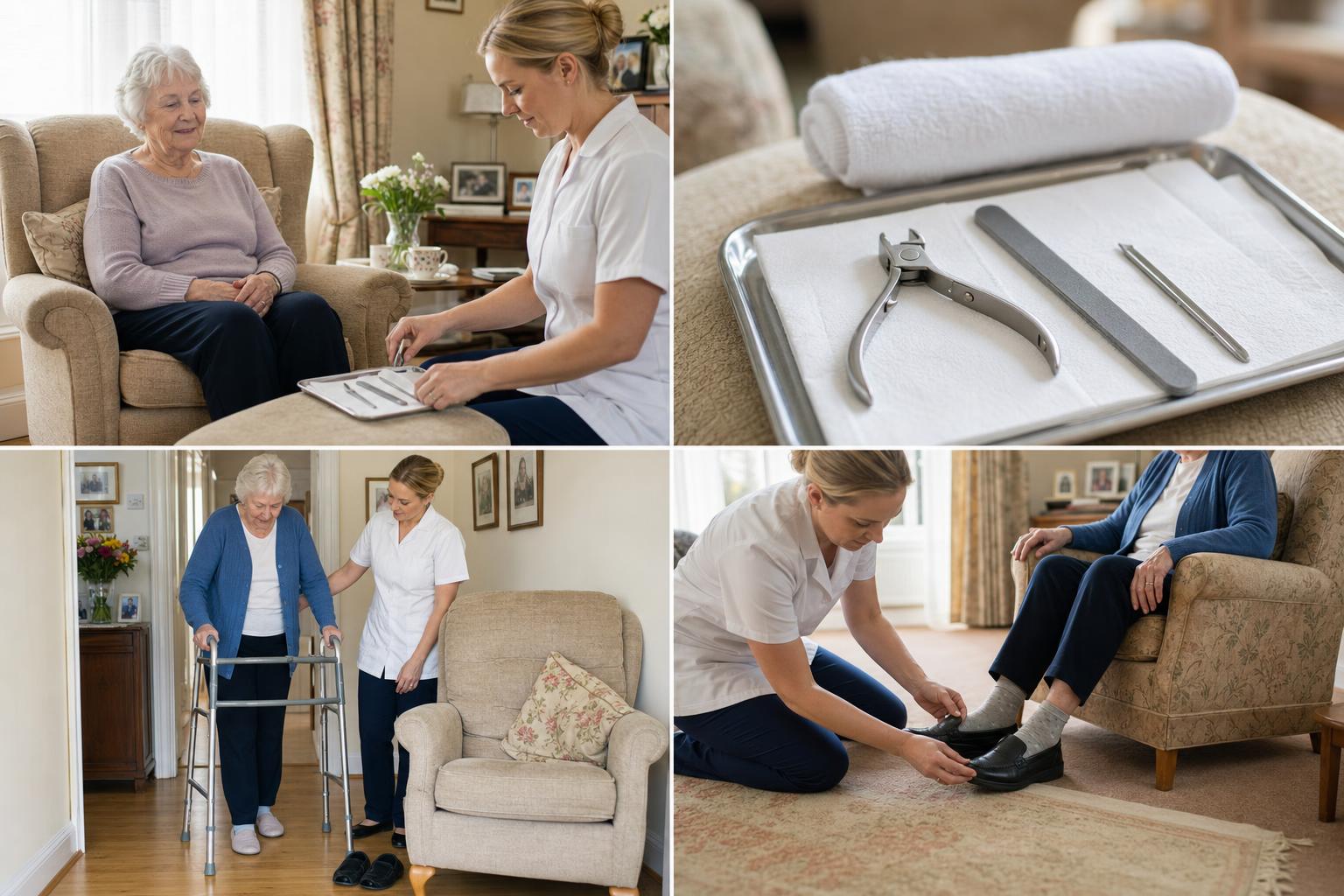
Arthritis can make bending, gripping clippers, and holding the foot steady harder than the nail problem first appears.
The practical search query this article answers is foot care with arthritis at home. It is for the person whose toenails are getting harder to reach, the older adult whose hands cannot grip clippers comfortably, or the family member who is worried that helping could accidentally cut the skin.
Why arthritis changes foot care
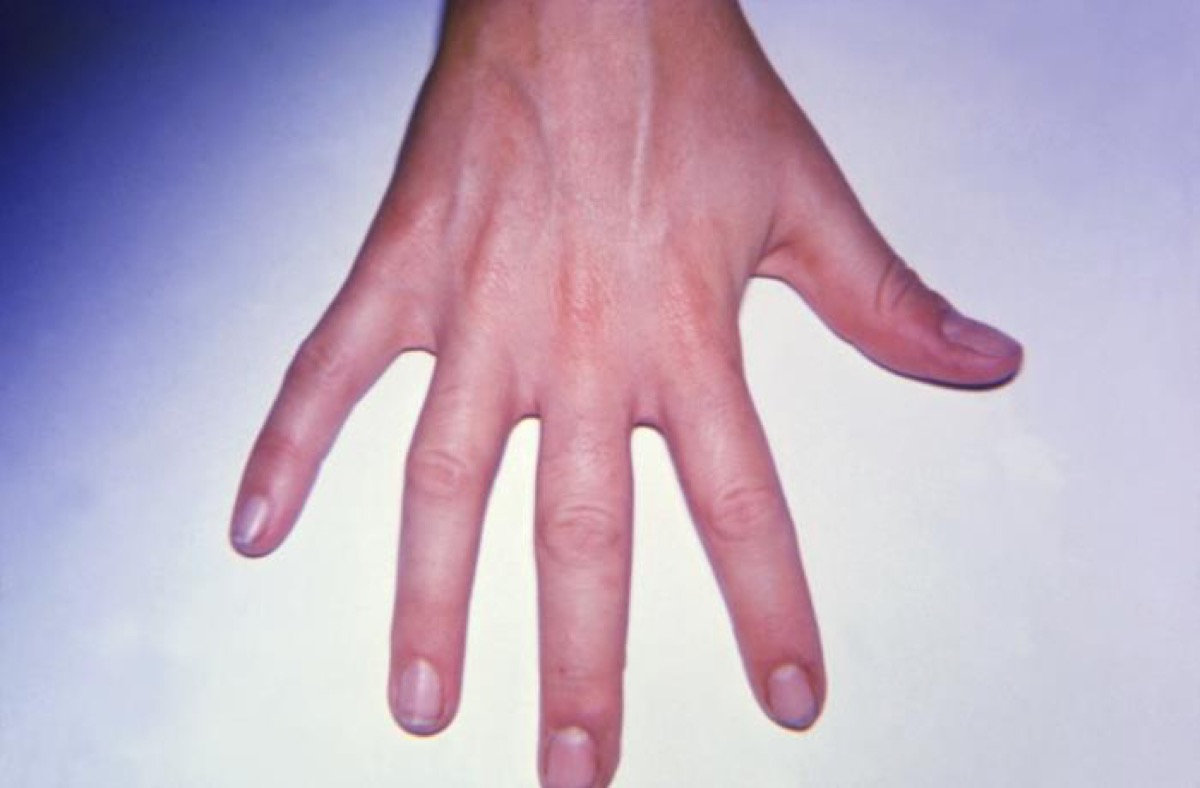
Sore or stiff hands can make small controlled cutting movements harder than they look. Photo source
Arthritis can turn a simple foot care task into a risky one. The problem is not just pain. It can be stiff hips, sore knees, swollen fingers, weak grip, poor balance, or not being able to hold the foot steady for long enough. NHS osteoarthritis guidance says joint pain and stiffness can make it difficult to move affected joints and do certain activities, including manual tasks and putting on shoes or socks.
That matters because foot care often needs several movements at once. You need to bend, see clearly, hold the clippers, control the angle, and stop if the skin pulls. Age UK explains that arthritis commonly causes joint pain, stiffness, inflammation, and limited movement, and that day to day tasks may need to be adapted to protect joints and reduce strain.
Feet also change with age. The Royal College of Podiatry notes that ageing can make skin drier and more fragile, nails more brittle and difficult to manage, and that keeping toenails cut and under control helps avoid pressure, soreness, infection, and ulceration. When arthritis is added to those changes, routine care can become a comfort and mobility issue, not just grooming.
What to check before cutting toenails
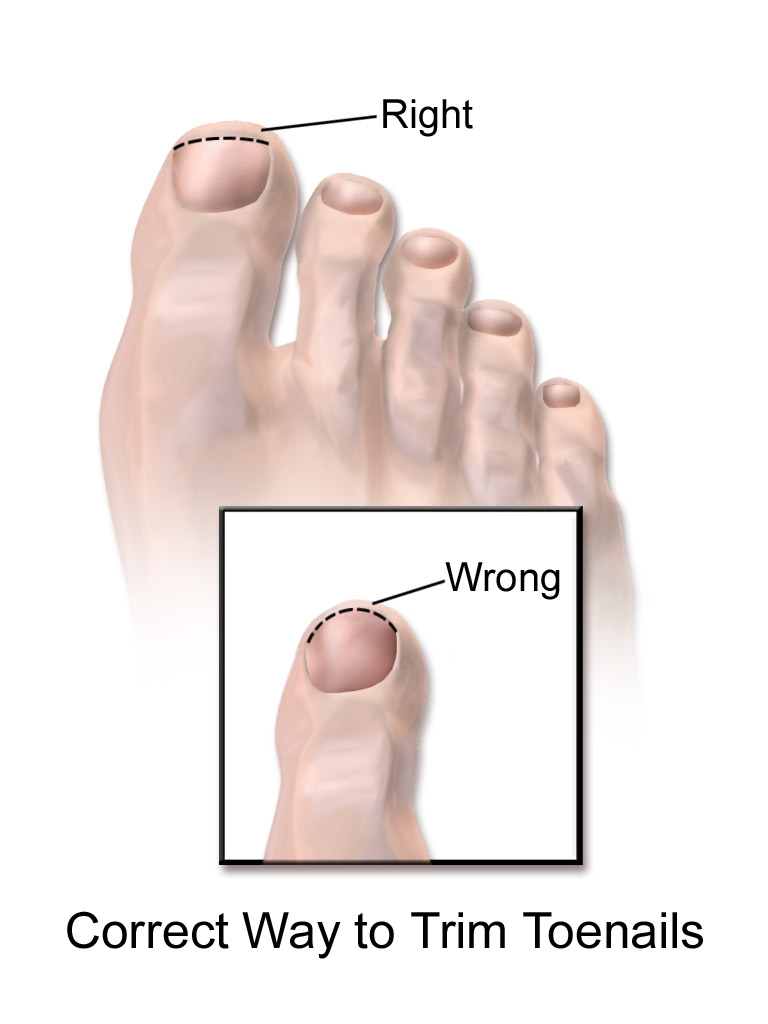
Straight, controlled trimming is safer than forcing clippers around a curved or hard to reach nail edge. Image source
Before cutting, check whether this is still a routine nail care job. Look for redness, heat, swelling, broken skin, bleeding, discharge, sudden colour change, new pain, or a nail digging into the side of the toe. If you cannot see the nail edge clearly, do not guess.
The NHS nail problems page says nails can become thicker or more brittle with age and advises seeing a podiatrist if toenails are too tough to cut or cannot be reached. It also warns not to cut down the edges of nails, because trimming straight across helps reduce the chance of an ingrown toenail.
Diabetes changes the threshold for help. Diabetes UK explains that raised blood sugar can damage nerves and blood supply, meaning a person may not feel damage properly and cuts or sores may heal more slowly. If arthritis makes foot checking difficult as well, foot problems should be taken seriously early.
The CDC gives a simple practical rule for diabetes foot care: check feet every day for cuts, redness, swelling, sores, blisters, corns, calluses, or nail changes, and use a mirror or ask someone to help if the sole is hard to see. That advice is also useful for arthritis, because not being able to inspect the feet properly is part of the risk.
When home tools are not enough
Long handled files, better lighting, a stable chair, non slip flooring, and easier grip tools can help some people. The NHS social care guide says equipment can make everyday tasks easier, and gives examples such as grab rails, aids for dressing, easy grip handles, and local council needs assessments for people who struggle with daily tasks. That kind of support can reduce strain, but it does not make unsafe nail cutting safe.
Aids work best when the problem is reach or comfort, not when the nail is very thick, painful, distorted, fungal looking, or pressing into the toe. Living Made Easy describes itself as an impartial source of information on gadgets, devices, and equipment for independent living, which is useful when choosing support for daily life, but equipment still has to match the person's ability and risk level.
Independent Age gives a sensible warning not to be rushed into buying equipment you may not need, and suggests checking whether it is easy to use, how often it will be used, and whether it will still help if a condition gets worse. For foot care, that means asking whether the tool genuinely improves control, or whether hands, eyesight, balance, or pain still make the job awkward.
Safer foot care when grip or sight is poor
If arthritis affects the hands, avoid cutting when the fingers are cold, sore, or tired. Sit somewhere stable, use good lighting, keep both feet supported, and stop if you need force. If the nail is hard, thick, or painful, forcing clippers is the warning sign, not the solution.
Sight loss or poor contrast can make the risk higher. RNIB explains that enhanced lighting and the right home support can help people with sight loss live more independently, and its independent living guidance includes practical areas such as lighting, adapting the home, and safety at home. Toenail cutting needs that same thinking because skin and nail edges can be hard to distinguish.
Some conditions affect movement, tremor, or dexterity as well as joint pain. Parkinson's UK notes that daily living equipment may help with everyday tasks, but also says equipment is not always the answer and that advice from an occupational therapist may be sensible. If hand control is unreliable, asking for help can be safer than trying to push through.
Macular Society practical guidance is aimed at people living with macular disease and points towards support for daily life, personal care, and independence. Even when the foot problem is routine, reduced vision can make self care less predictable, so good lighting and realistic help matter.
When to get medical advice first
Do not treat every foot problem as routine nail care. Get medical advice first if there is spreading redness, heat, swelling, discharge, bleeding, sudden severe pain, a wound, a new black or blue area, a suspected infection, or a fall related injury. If the person has diabetes, reduced feeling, poor circulation, immune problems, or takes medicines that increase bleeding risk, be more cautious.
NICE diabetic foot guidance covers prevention and management of foot problems in people with diabetes and includes recommendations on assessing risk and managing diabetic foot problems. In everyday terms, this means a person with diabetes and a worrying foot change may need clinical assessment rather than a brave attempt at clipping the nail at home.
Falls risk also matters. NHS falls guidance says to seek help if someone has fallen and may be in pain, injured, or unwell, and to see a GP if you are worried about balance or mobility. If bending to reach the feet causes wobbling, dizziness, or near falls, the foot care setup needs to change before an accident happens.
Foot problems can affect the whole day. Health in Aging notes that foot pain and foot disorders are common in older people and can make it harder to walk, use stairs, prepare meals, get out of a chair, or use the toilet. If arthritis related foot care difficulties are starting to limit normal activities, it is worth dealing with them early.
How home visit foot care can help
A home visit is useful when the main problem is safe access to routine foot care. It can help with careful nail trimming, smoothing rough edges, reducing manageable thickened nail where appropriate, checking pressure points, looking for obvious warning signs, and explaining when a GP, NHS podiatry, or another clinician is needed.
Age UK says foot care services for older people can help reduce fall risk, infection risk, and pain, and that some services may be accessed at home if someone is housebound. That matches the real search intent behind arthritis foot care: the person often does not want a dramatic treatment, they want safe, practical help where travel or self care is difficult.
If you are choosing a clinician, the HCPC register can be used to check registered health and care professionals. Routine mobile foot care is not the same as emergency medical care, so the safest service is one that is clear about what it can do, what it cannot do, and when referral is needed. You can check registered professionals where that applies.
For RMFC patients in Surrey, booking a home visit can make sense when arthritis, stiff joints, sore hands, or poor balance are making nail care difficult. The aim is not to replace medical advice. It is to make routine foot care calmer, safer, and more manageable at home.
Key Takeaways
- Arthritis can make foot care harder because of pain, stiffness, weak grip, poor balance, or difficulty bending.
- Do not force clippers if the nail is thick, painful, distorted, or hard to see clearly.
- Diabetes, reduced feeling, wounds, infection signs, sudden colour change, or severe pain should prompt medical advice first.
- Home equipment can help some people, but it must genuinely improve control rather than create false confidence.
- Mobile foot care can help when the main problem is safe routine nail care, comfort, and practical access at home.
Foot care with arthritis is safest when it starts with the real problem: can the person see, reach, grip, balance, and cut without force? If the answer is no, pushing through can turn routine nail care into a sore toe, a cut, or a fall risk. Good lighting, stable seating, sensible tools, and family help may be enough for some people. When the nails are too hard to manage or arthritis makes the job unsafe, home visit foot care can provide practical support and clearer next steps.
Need Professional Foot Care?
Book a home visit and get expert treatment without leaving your house