
Foot Care After Hip Surgery: When to Get Help
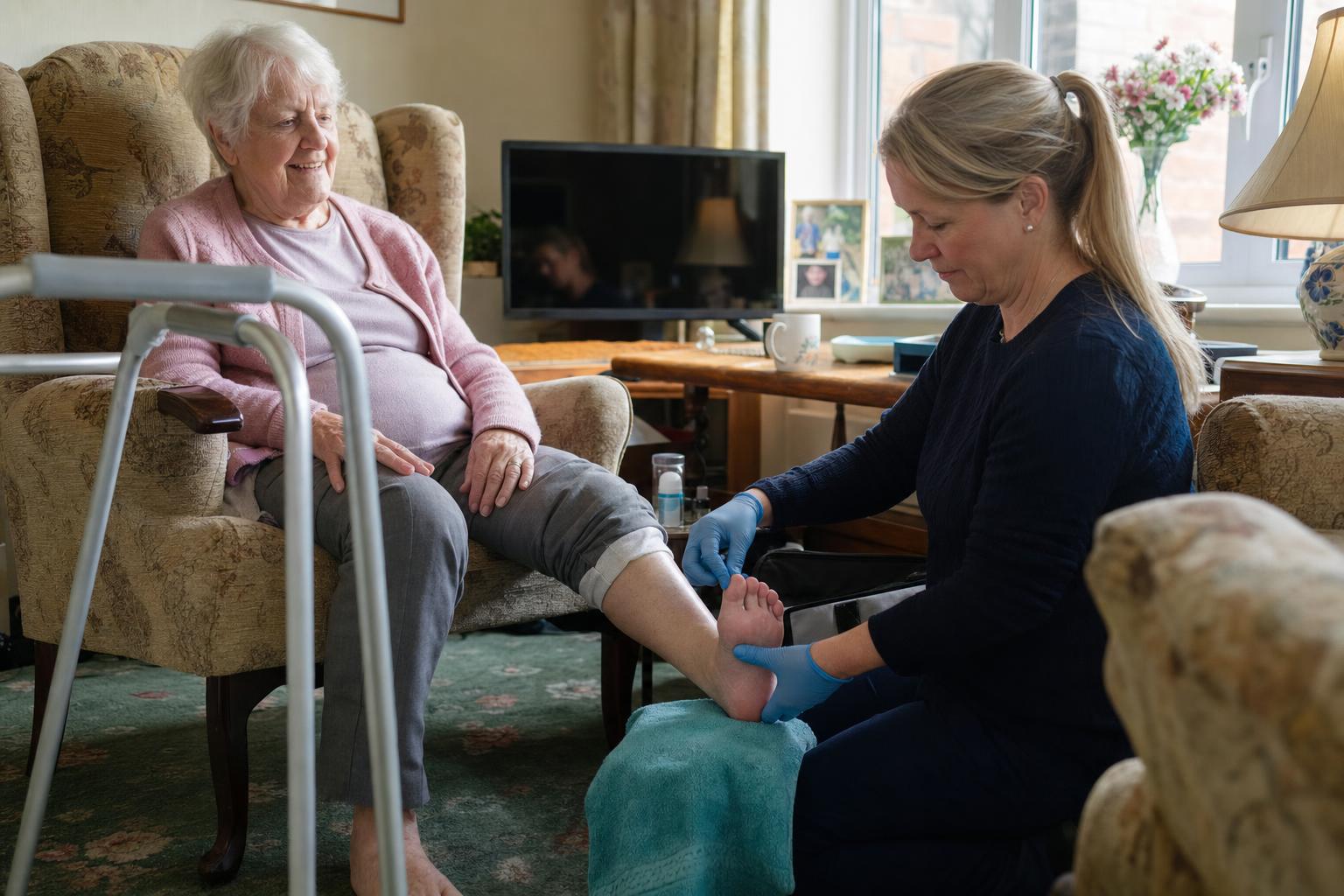
After hip surgery, foot care should respect bending limits, comfort, and safe positioning before nails or hard skin are treated.
The practical search query this article answers is foot care after hip surgery at home. It is for the patient, partner, adult child, or carer who has realised that toenail cutting, checking the soles, drying between toes, putting on socks, or managing hard skin is suddenly difficult while recovery is still in progress.
Why foot care becomes harder after hip surgery
Hip surgery changes the practical shape of everyday care. The issue is not only pain around the hip. It is that bending, twisting, reaching the feet, standing safely, and using both hands at the same time may all be limited for a while. NHS information on hip replacement explains that the operation is intended to improve hip pain and movement, but recovery still needs time and care, so daily activities may need to be adjusted during recovery.
That matters for feet because routine care is very physical. You may need to lift the foot, see under the toes, hold clippers steady, dry the skin carefully, or notice a sore patch before it worsens. Royal Orthopaedic Hospital patient information describes how hip arthritis and hip replacement affect pain, movement, walking distance, stairs, and normal daily activities, which is why recovery plans need to respect movement limits.
For RMFC, this topic matters commercially because the searcher often has a real home visit problem, not a general information problem. They may be searching for mobile foot care, home visit foot care, toenail cutting at home, podiatrist at home, or chiropodist at home because the person cannot safely reach their feet or travel comfortably yet.
What to check before anyone tries to cut nails
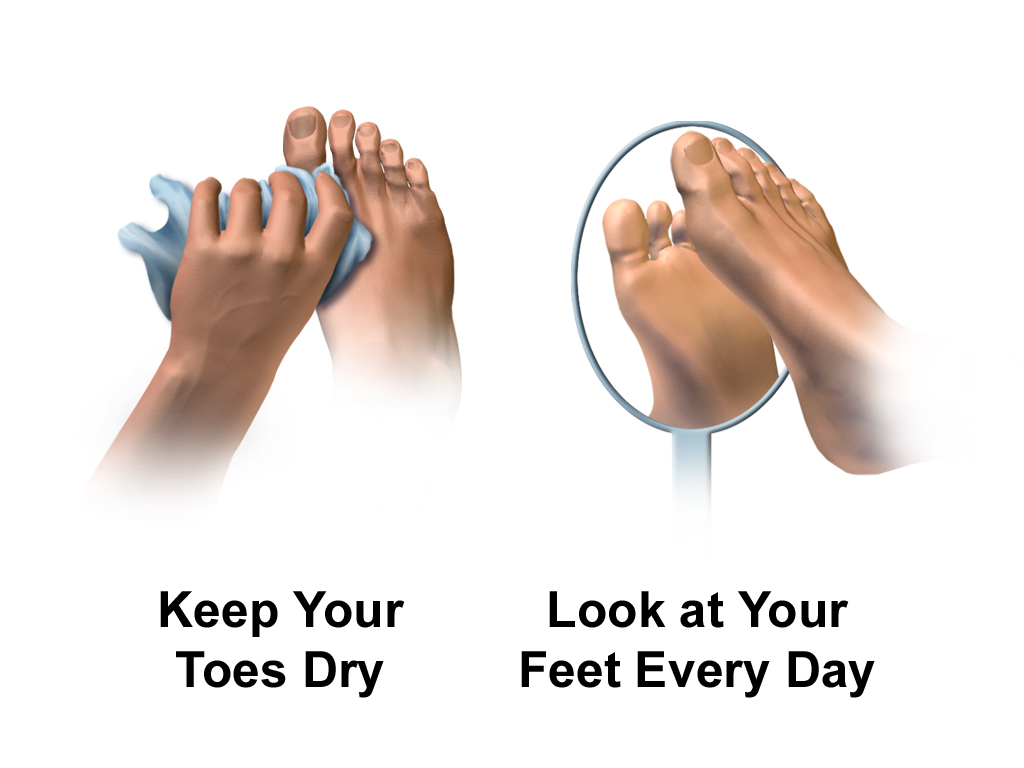
A calm foot check is often safer than rushing into nail cutting when movement is restricted. Photo source
Start with a simple question: can the person reach the foot without breaking their hospital instructions, straining the new hip, or losing balance? NICE guidance on joint replacement covers care before, during, and after hip, knee, and shoulder replacement, including support and rehabilitation, so recovery advice should guide what is sensible at home.
Then check the feet without cutting anything. Look for redness, swelling, broken skin, discharge, pressure marks from shoes or slippers, sore toes, thick nails pressing into neighbouring toes, or hard skin that hurts when standing. NHS guidance on corns and calluses gives an important safety boundary: do not cut corns or calluses yourself, and get help sooner with diabetes, poor circulation, bleeding, discharge, severe pain, or symptoms that stop normal activity.
If someone has diabetes, reduced feeling, or poor circulation, the threshold for advice should be lower. Diabetes UK explains that diabetes can affect nerves and blood supply in the feet, so small cuts, sores, swelling, and changes in feeling need prompt attention.
Why bending and balance are part of the foot care risk
Foot care after hip surgery can look harmless until the person has to twist, lean forward, stand on one leg, or put a foot on a chair to reach it. That can be risky if they are still using a frame, stick, raised chair, toilet frame, or other recovery equipment. NHS knee replacement recovery guidance makes the same wider recovery point, with walking aids used at first and physiotherapy or occupational therapy advice for daily activities, which shows why post surgery movement limits can affect ordinary home tasks.
Falls prevention matters here. NHS falls guidance says to seek help if you are worried about balance or mobility, and explains that falls support may look at strength, balance, eyesight, medicines, and home safety. That makes safe positioning part of the foot care decision, not an optional extra.
Practical aids can help with socks, shoes, washing, and inspection, but they do not make every task safe. Living Made Easy focuses on impartial advice about equipment and everyday barriers, which is useful because the right aid should reduce effort and risk rather than encourage awkward stretching.
What family members and carers can do safely
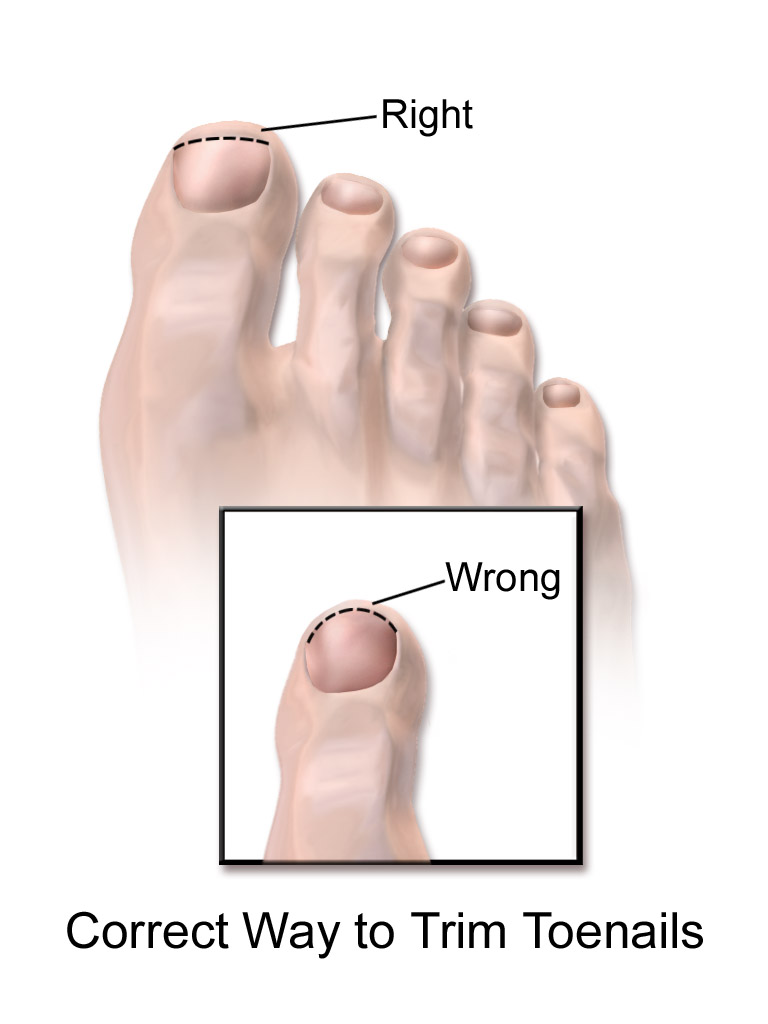
When nails are thick, awkward, or hard to see clearly, careful checking should come before cutting. Photo source
A family member can help by making the task easier to understand before anyone touches clippers. Write down when the surgery happened, what movements the hospital told the person to avoid, whether they use blood thinning medication, whether diabetes or circulation problems are present, and which foot problem is causing discomfort. Carers UK notes that arranging care often starts with not knowing where to begin, so turning worry into clear information helps families make a better decision.
Keep help simple. Make sure the person is seated, warm, and not rushed. Do not ask them to balance awkwardly. Do not cut into the corners of nails. Do not cut hard skin, corns, or callus with blades. Mayo Clinic explains that corns and calluses are thickened skin caused by friction or pressure, and that very painful or inflamed areas, diabetes, or poor blood flow should be checked before self treatment.
If the task needs more than gentle washing, drying, checking, and straightforward low risk care, it is reasonable to pause. Arthritis Foundation information on foot pain explains that foot pain can limit daily activity and may have several causes, which is a reminder that not every painful foot problem is solved by trimming nails.
When home visit foot care is the better next step
A home visit is worth considering when the foot care need is routine but the recovery makes it hard to manage safely. Common examples include nails becoming too long after surgery, thick nails that are awkward to cut, hard skin that is uncomfortable in slippers, toe pressure from swelling or footwear changes, or a patient who cannot travel comfortably to a clinic.
Age UK describes foot care services for older people as helping with pain, infection risk, falls risk, and basic foot care when people are unable to look after their feet, with home access in some areas for people who are housebound. That supports the everyday value of bringing appropriate foot care closer to people who struggle to manage alone.
If recovery has created a wider support need, foot care may only be one part of the picture. NHS social care information explains that care after a hospital stay can include support afterwards, while GOV.UK says a needs assessment can look at healthcare, equipment, help at home, adaptations, and care needs. Together, those pages show that hospital discharge support and a local needs assessment may be relevant when foot care difficulty is part of a bigger mobility problem.
For patients and families in Surrey, RMFC can help with routine home visit foot care where the issue is within scope, such as toenail cutting, thickened nails, corns, callus, cracked heels, and general foot comfort. If there are red flags, a wound, suspected infection, sudden swelling, severe pain, or a diabetes related change that is new or worsening, medical advice should come first.
A simple preparation list for the visit
Before booking or attending a foot care visit, gather the details that make the appointment safer and more useful. Note the surgery date, current mobility aids, hospital movement precautions, medicines that may affect bleeding, diabetes or circulation history, the exact foot concern, and whether shoes, socks, or slippers are causing pressure.
The NIDDK diabetes foot care guide gives a practical habit that works beyond diabetes too: check feet regularly and act early when something changes. It specifically explains that trouble bending to see the feet is a reason to use a mirror or ask someone else to look. After hip surgery, that small detail can prevent small problems being missed.
Have a stable chair ready, make sure there is good light, keep walking aids close, and avoid scheduling foot care when the person is exhausted after physiotherapy, travel, or a hospital appointment. The goal is not to do everything at once. It is to make routine foot care calm, visible, and safe enough for the person recovering.
Key Takeaways
- Hip surgery can make foot care difficult because bending, balance, and safe reaching are limited during recovery.
- Do not cut nails, corns, callus, or hard skin if the person cannot sit safely, see clearly, or follow recovery precautions.
- Diabetes, poor circulation, reduced feeling, bleeding, discharge, swelling, severe pain, or broken skin should lower the threshold for medical advice.
- A home visit can help when the need is routine foot care but travel, reach, or confidence is the barrier.
- Prepare the surgery date, medicines, mobility aids, diabetes history, and exact foot concern before booking help.
Foot care after hip surgery is not just about nails. It is about reach, balance, recovery instructions, skin checks, footwear pressure, and knowing when a small problem needs help. If the foot concern is routine but hard to manage safely at home, a mobile foot care visit can be a practical next step. If there are wound, infection, diabetes, circulation, or severe pain concerns, medical advice should come first.
Need Professional Foot Care?
Book a home visit and get expert treatment without leaving your house