
When Elderly Toenail Cutting at Home Is Safer
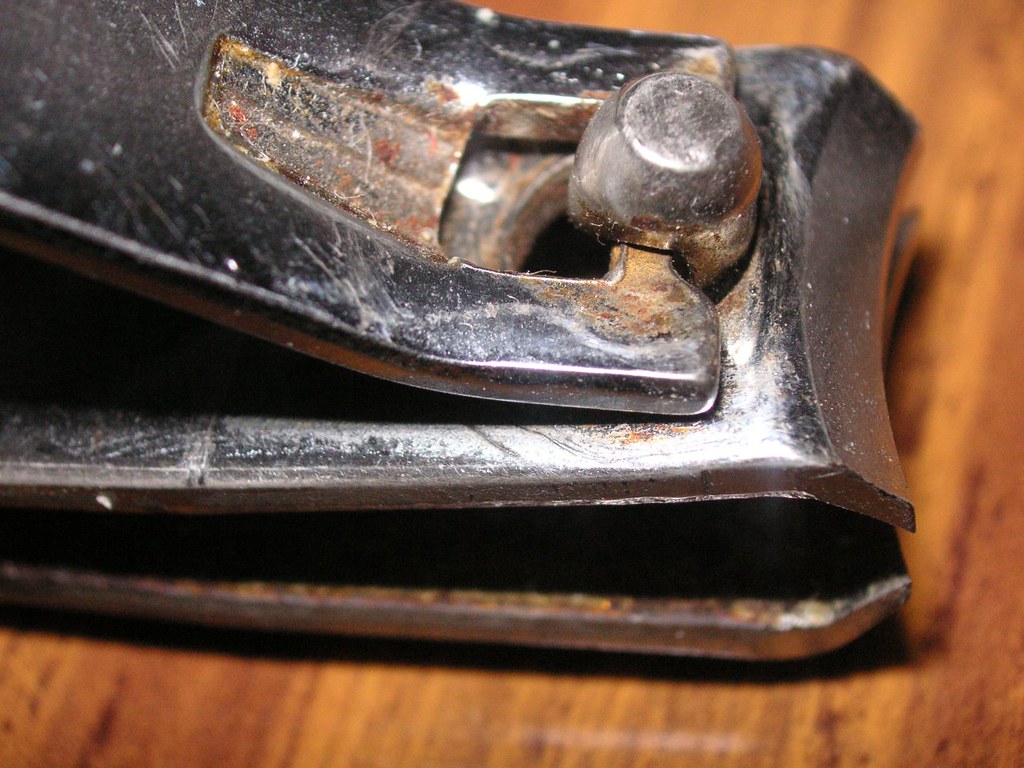
The right tool matters, but safe toenail care also depends on eyesight, reach, nail thickness, and health risk. Photo source
The practical search query this article answers is toenail cutting at home for elderly. It is for an older adult, carer, spouse, or adult child who has noticed that nail cutting has become awkward, painful, or worrying at home. This article belongs to the pillar Home visit foot care for older adults, diabetes, and reduced mobility.
Why nail cutting gets harder with age
Toenail cutting can look like a small routine job until it becomes difficult. A parent may no longer bend comfortably. Their grip may be weaker. Their eyesight may make the nail edge hard to judge. Nails may be thicker, harder, curved, or more likely to catch on socks and press into shoes.
That is when families often search for toenail cutting at home for elderly, nail cutting service for elderly near me, mobile foot care services near me, podiatrist at home, or chiropodist at home. The words differ, but the problem is usually the same: someone needs safe, practical foot care without the stress of travel or risky DIY cutting.
The Royal College of Podiatry explains that ageing feet can become drier, thinner, more fragile, and affected by mobility problems. It also notes that keeping toenails cut and under control is important because nails that become too long can cause soreness, infection, ulceration, or ingrowing. In everyday terms, long or poorly cut nails can become more than a nuisance.
When home visit foot care may be safer

Ordinary clippers are not always enough when nails are thick, curved, hard to see, or difficult to reach safely. Photo source
Home visit foot care may be safer when the difficult part is not just the nail. It may be the bend, the balance, the lighting, the strength needed to use clippers, or the fear of cutting skin. If someone is rushing because the position hurts, or cutting from an awkward angle, the risk of a small injury increases.
Age UK describes foot care as important in later life because it can relieve pain, reduce infection risk, lower fall risk, and help people stay active. It also says basic services can include toenail cutting and that some services may be accessed at home if someone is housebound. That supports the practical idea that routine foot care can be a real independence issue, not vanity or fuss.
NHS homecare guidance makes a similar day to day point. Help at home can make a large difference when someone has difficulty walking or getting around and wants to stay living independently. For foot care, the home setting can remove the travel barrier, which is often the thing stopping an older person getting help early.
When not to cut the nails yourself
Do not treat nail cutting as routine if there is a wound, bleeding, discharge, spreading redness, heat, sudden swelling, severe pain, or one foot looking clearly different from the other. In those situations, routine trimming should wait while the right medical advice is sought.
Diabetes deserves particular care. Diabetes UK advises people to check their feet, cut nails carefully, make sure footwear fits, avoid blades and corn plasters, and get expert advice. If someone has lost feeling in their feet, they may need help from a podiatrist or foot protection service.
NICE guidance says adults with diabetes should have regular foot checks, including if they think they have a problem with their feet. Those checks look at skin, ulcers, hard skin, inflammation, infection, sensation, blood flow, foot shape, and footwear. That means diabetic foot care is not just about clipping the nail edge.
Reduced feeling matters even without a fresh wound. NHS information on peripheral neuropathy lists numbness, tingling, burning or stabbing pain, balance problems, weakness, and cuts or ulcers that are not getting better as reasons to seek GP advice. If an older person cannot feel pressure or pain normally, small foot injuries can be easier to miss.
What carers should check before booking
Before booking a toenail cutting service at home, gather the details that make the visit safer and more useful. Check whether the person has diabetes, poor circulation, numbness, swelling, wounds, recent infection, blood thinning medication, or a history of ulcers. Look at the shoes and socks too, because long nails and thick nails often become obvious when they start catching or pressing.
If you are arranging care for someone else, write down what has changed. Are they avoiding shoes? Are they leaving nails longer than usual? Do they struggle to reach their feet? Have they stopped walking as much? Carers UK notes that arranging support for someone can feel hard when you do not know where to start, so turning vague worry into clear details helps the next step.
It also helps to be clear about access. Is there parking nearby? Does the person need extra time to answer the door? Is there a clean, well lit chair where they can sit comfortably? Small practical details can make home visit foot care calmer for everyone.
What a sensible home visit can help with
When the feet are stable and there are no red flags, home visit foot care can help with routine toenail cutting, hard or thickened nails, checking nearby skin, and spotting pressure from shoes or socks. It can also give the family a clearer sense of whether the problem looks routine or needs a different route.
A sensible visit should not pretend to replace urgent medical assessment. If there is infection, a wound, severe pain, sudden swelling, or a higher risk diabetic foot concern, the safest answer may be GP, NHS 111, urgent care, or an NHS foot protection pathway before routine trimming.
For Surrey families, Rithik's Mobile Foot Care can be a calm next step when the main issue is safe routine foot care at home. Useful wording to use when enquiring includes toenail cutting at home, mobile foot care, home visit foot care, hard toenails, thickened nails, diabetic foot care, podiatrist at home, or chiropodist at home.
Key Takeaways
- Toenail cutting at home becomes riskier when reach, eyesight, grip, nail thickness, balance, or confidence has changed.
- Home visit foot care can help older adults who struggle to travel or safely cut their own nails.
- Diabetes, numbness, poor circulation, wounds, redness, heat, discharge, or sudden pain should be checked before routine nail cutting.
- Carers should share health conditions, medication concerns, mobility limits, footwear pressure, and what has recently changed.
- If the feet are stable, routine home visit foot care can support comfort, dignity, and safer ongoing nail care.
Toenail cutting at home is safer when the task is planned around the whole person, not just the nail. If an older adult can no longer reach comfortably, see clearly, grip clippers safely, or manage thick nails without worry, a home visit can be a practical and reassuring option. If there are wounds, infection signs, diabetes concerns, sudden pain, swelling, or loss of feeling, pause the routine trim and get the right medical advice first.
Need Professional Foot Care?
Book a home visit and get expert treatment without leaving your house