
Elderly Foot Care at Home: What Families Should Check
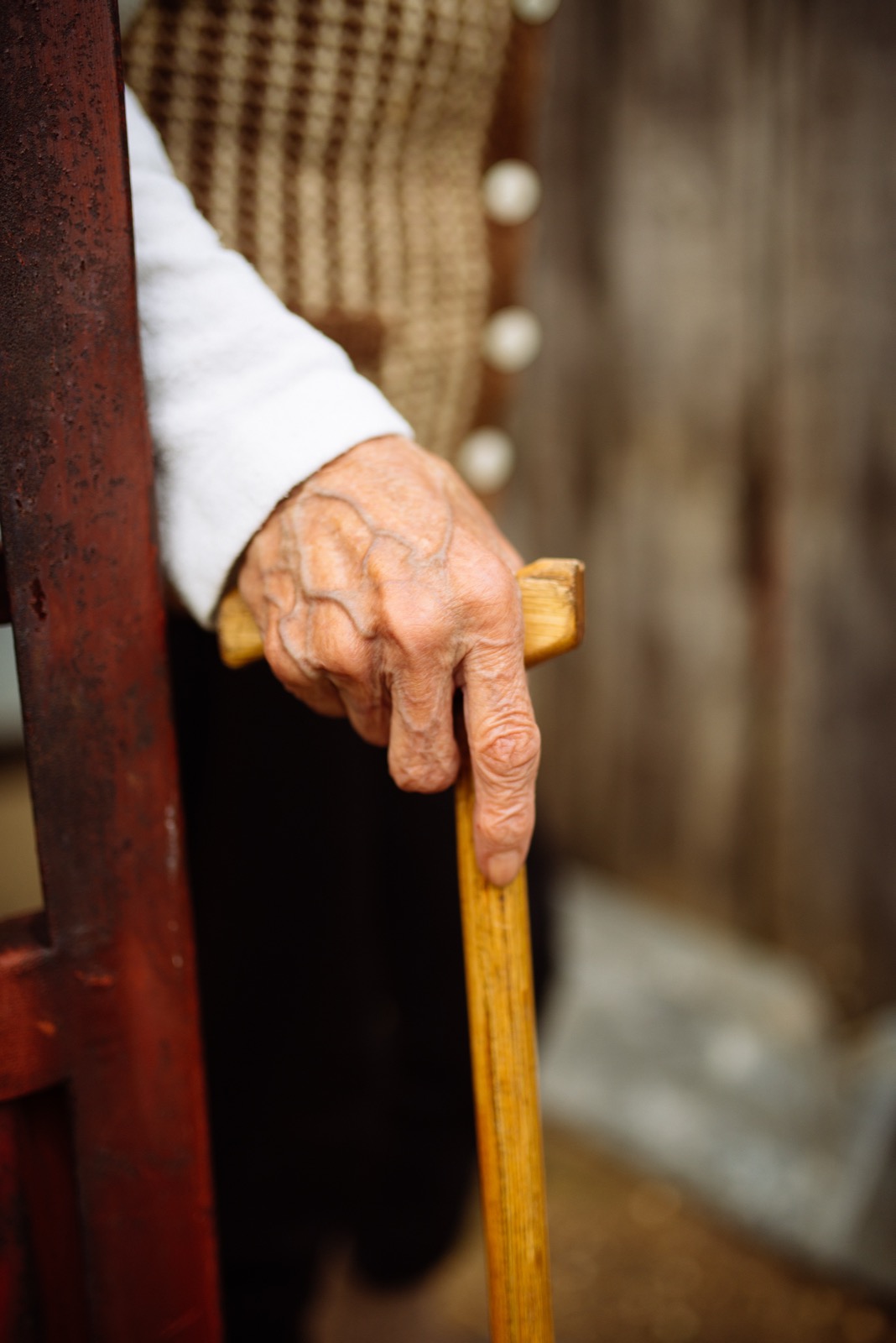
When clinic travel is difficult, foot care at home can keep the focus on comfort, safety, and routine checks. Photo source
The practical search query this article answers is foot care for elderly at home Surrey. It is for an older person, adult child, partner, or carer who can see that routine foot care is becoming harder, but is not sure what can be managed safely at home and what needs professional help.
Why foot care at home becomes a family issue
Foot care often becomes urgent quietly. An older parent may stop wearing certain shoes, complain about nails catching on socks, leave hard skin to build up, or avoid bending because balance, eyesight, grip, or breathlessness has changed. The problem is not just untidy feet. It can affect comfort, walking, confidence, and whether someone feels steady getting around the house.
Age UK explains that looking after feet in later life can help reduce pain, infection risk, and falls risk, and that basic foot care may include toenail cutting for people who cannot manage it themselves. That makes regular foot care for older people a practical independence issue, not a cosmetic extra.
This matters commercially for RMFC because families searching for home visit foot care, mobile foot care, chiropodist at home, podiatrist at home, or toenail cutting at home usually already have a real access problem. They are not only researching feet. They are trying to solve travel, mobility, safety, and carer worry in one decision.
What families should check first
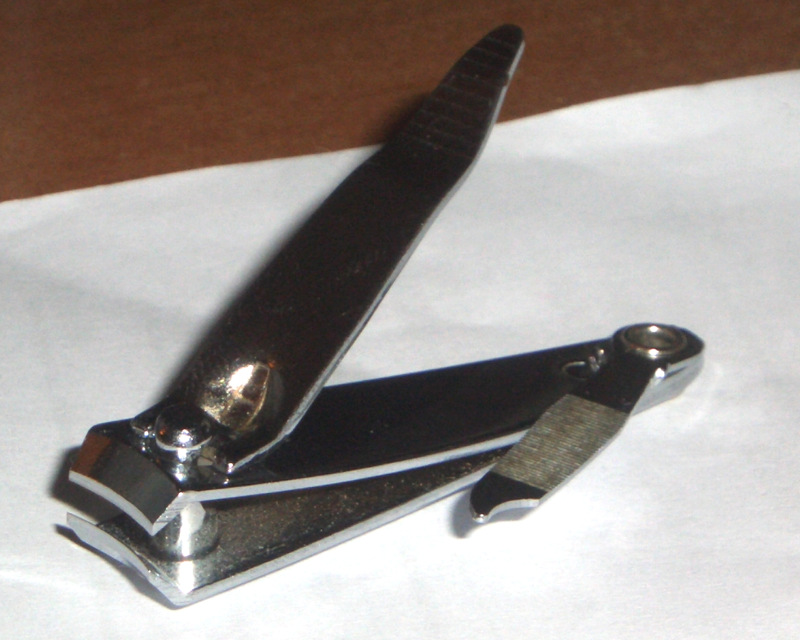
The right tool matters, but control, light, reach, and health risks matter more. Photo source
Start with a calm look rather than a rushed trim. Check whether the nails are long, thick, curled, crumbly, digging into the skin, or pressing against the next toe. Look for hard skin, corns, cracks around the heels, rubbing marks from shoes, swelling, colour change, broken skin, or areas that seem unusually sore.
If the person has had a fall, is unsteady, or worries about standing in the bathroom, the foot care setup matters. NHS advice on falls says people should seek help if they are worried about balance or mobility, and should use stable support after a fall rather than rushing. A nail trim should never create another avoidable balance risk.
NICE guidance for older people at risk of falls includes considering home hazard assessment and tailored support. For families, the practical lesson is simple: if reaching the feet means twisting on a bed, balancing on a bath edge, or perching on a low stool, the environment may be part of the risk, not just the feet.
When not to cut toenails yourself
Do not cut if the nail edge is red, hot, weeping, bleeding, very painful, or visibly digging into the skin. Do not dig down the sides of the nail, cut into corners you cannot see, or use strong blades on hard skin. If a nail is loose after an injury, suddenly discoloured, or the toe is swollen, it needs proper assessment rather than another attempt with clippers.
Diabetes needs extra caution. Diabetes UK explains that nerve and blood vessel changes can reduce feeling and slow healing in the feet, which means small injuries may be missed or heal poorly. If diabetes is part of the picture, avoid risky self treatment and take new foot changes, wounds, swelling, or loss of feeling seriously.
Arthritis can also change what is safe. Painful fingers, swollen joints, poor grip, and reduced reach can make a normal trim unpredictable. If hand pain means the person cannot hold the toe steady or stop the clipper cleanly, joint pain and stiffness can turn a small job into a cutting risk.
What a safer home setup looks like
If the feet look healthy and there are no warning signs, a safer setup starts with good light, a stable chair, the foot supported, clean tools, glasses if needed, and enough time. The person should be able to sit comfortably without holding their breath, straining the back, or gripping furniture to stay balanced.
Living Made Easy gives impartial advice on equipment and practical barriers to independent living. That principle applies here: aids and better setup can reduce effort, but they cannot make every foot care task safe. Thick nails, poor eyesight, diabetes, numbness, severe swelling, and painful skin changes still need more care than a gadget can provide.
Home care guidance from the NHS notes that paid help at home can support people who find daily routines difficult because of walking or mobility problems. Families often think about washing, dressing, medicines, and meals first, but foot comfort can sit in the same practical category when getting out and about has become difficult.
For Surrey families, local support decisions often sit around staying independent at home. Surrey County Council describes adult social care as support and advice that looks at what may help residents stay independent, including routes for considering care at home. That local framing is useful when foot care is one part of a wider home support picture.
How to decide whether to book help
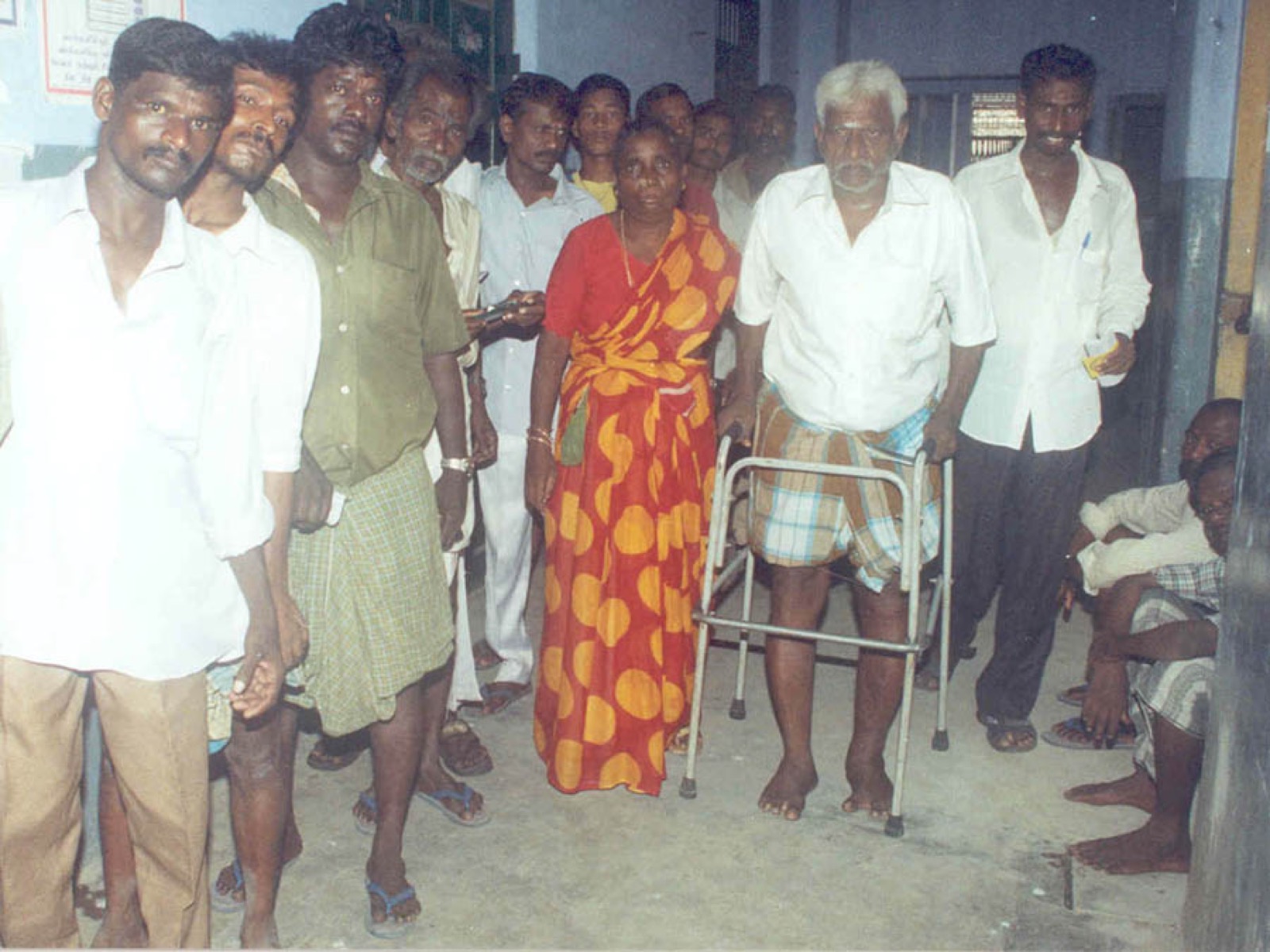
Reduced mobility changes the decision. The safest answer may be bringing routine care to the person. Photo source
Book help sooner if nails are too thick for normal clippers, the person cannot reach safely, a carer is nervous about cutting, hard skin is painful, shoes are leaving red marks, or foot care keeps being postponed. A home visit is especially sensible when clinic travel causes stress, fatigue, transport problems, or a real falls concern.
If memory or confidence is changing, keep the conversation simple and respectful. Alzheimer's Society guidance on washing and dressing highlights that personal care can feel sensitive, and people may need patience, privacy, and reassurance. The same human approach helps when foot care feels personal or embarrassing.
For RMFC, this article sits under home visit foot care for older adults, diabetes, and reduced mobility. The commercial fit is clear: it helps families move from worry and uncertainty into a safer next step, while keeping the tone practical rather than pushy.
What to tell a mobile foot care practitioner
Before booking, note what has changed, how long it has been happening, whether there is diabetes, blood thinning medication, poor circulation, numbness, recent falls, wounds, infection signs, or pain when walking. Say whether the person can sit in a normal chair, whether stairs are difficult, and whether a family member or carer will be present.
Good preparation helps the visit stay calm. It also helps the practitioner decide whether routine foot care is suitable or whether the person should be directed to a GP, NHS podiatry, a foot protection team, or urgent medical support first. That boundary is important because home foot care should improve comfort without delaying medical attention where it is needed.
If you are arranging care for someone in Surrey, RMFC can help with routine toenail cutting, thickened nails, hard skin, corns, cracked heels, diabetic foot care within safe boundaries, and general home visit foot care. The aim is simple: safer, calmer foot care without asking the person to travel when home is the better setting.
Key Takeaways
- Foot care becomes a safety issue when an older person cannot bend, see, grip, or balance confidently.
- Do not cut nails if there is bleeding, broken skin, spreading redness, discharge, severe pain, numbness, or diabetes related concern.
- A safer setup helps, but it does not replace professional care when nails are thick, painful, curled, or difficult to reach.
- Home visit foot care is most useful when clinic travel, reduced mobility, fatigue, or carer worry is part of the problem.
Elderly foot care at home is really about comfort, dignity, and safer movement. If the task has become awkward, painful, risky, or stressful, it is reasonable to stop improvising and arrange help. For families in Surrey, a calm home visit can make routine foot care easier to manage while keeping important warning signs in view.
Need Professional Foot Care?
Book a home visit and get expert treatment without leaving your house