
Diabetic Toenail Cutting: When to Get Help
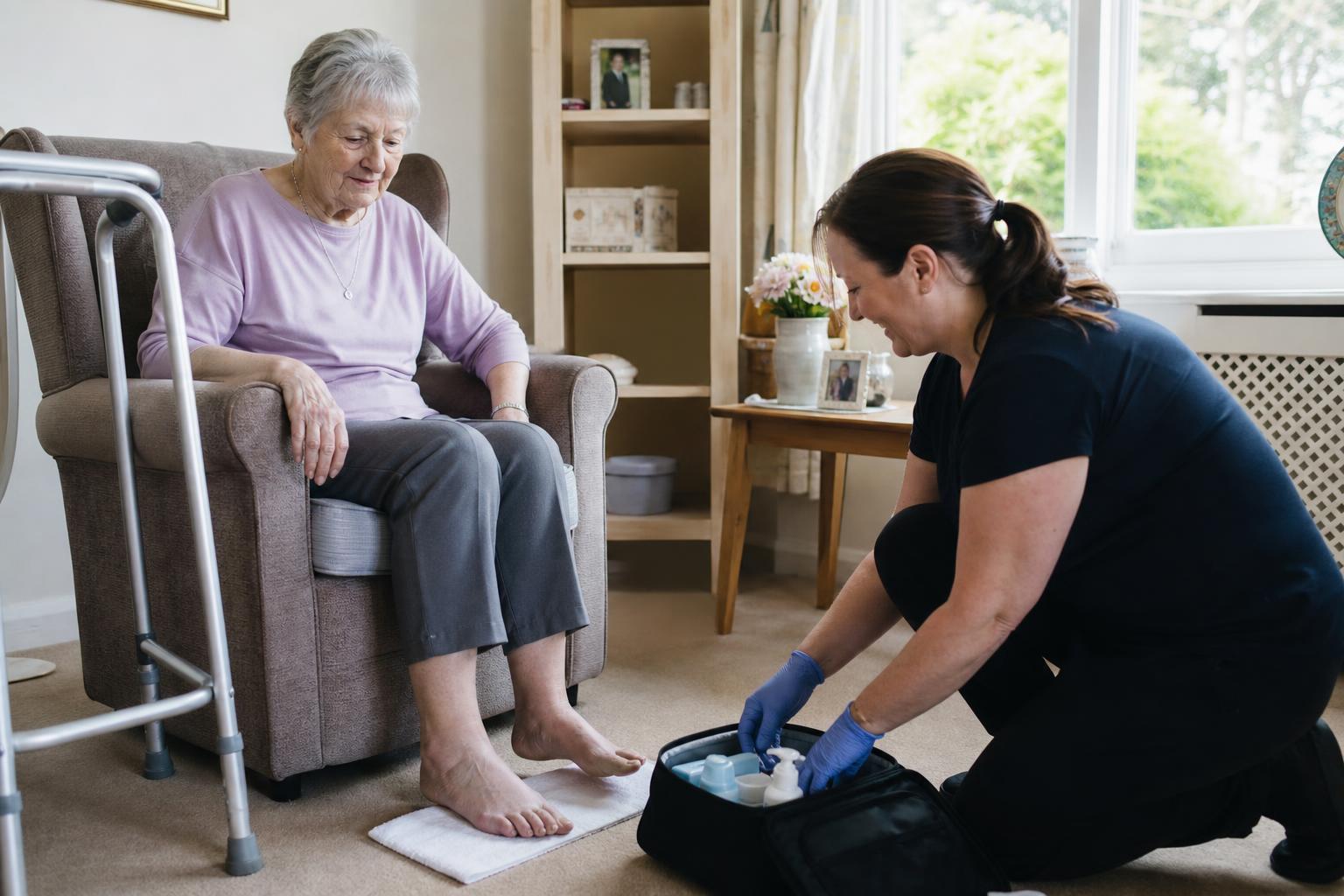
Diabetes changes the safety threshold for toenail cutting, especially when feeling, circulation, or skin condition is uncertain.
The practical search query this article answers is diabetic toenail cutting at home. It is for someone with diabetes, or the family member helping them, who needs toenails cut but is worried about cutting skin, thick nails, poor eyesight, reduced feeling, or whether a home visit would be safer.
Why diabetes changes toenail cutting
Toenail cutting can look like a small job, but diabetes changes the safety threshold. Diabetes UK explains that diabetes can damage nerves and blood supply in the feet, which means damage may not be felt properly and cuts or sores may heal more slowly. If a nail is thick, sharp, painful, or hard to see clearly, small skin damage can matter more than it would for a low risk foot.
The CDC gives a simple rule that suits families and carers: check feet every day for cuts, redness, swelling, sores, blisters, corns, calluses, or changes to the skin or nails. It also says to use a mirror or ask someone to help if the feet are hard to see. That is the same practical starting point before cutting nails: if the foot cannot be checked properly, cutting should not be rushed.
NIDDK describes how nerve damage can make people lose feeling in the feet, while reduced blood flow can make sores or infections harder to heal. That does not mean every diabetic toenail needs urgent care, but it does mean that routine nail care should be cautious, well lit, and stopped if anything looks wrong.
What to check before anyone cuts
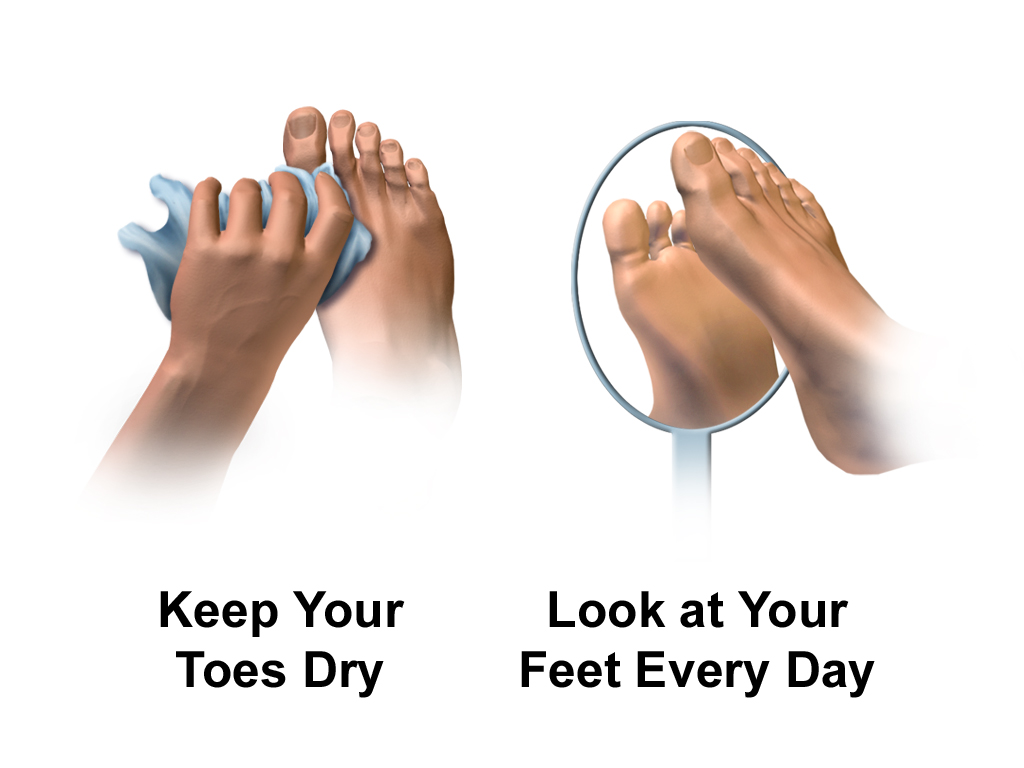
A clear look at the skin and nail edges comes before any cutting. Photo source
Before cutting, look at the toes in good light. Check for redness, heat, swelling, broken skin, bleeding, discharge, pus, a bad smell, sudden colour change, new pain, numbness, or a nail edge pressing into the skin. If any of those are present, treat the job as a foot problem first and a nail cutting job second.
The NHS nail problems page says toenails can become thicker or more brittle with age and advises seeing a podiatrist if toenails are too tough to cut or cannot be reached. It also advises trimming straight across rather than cutting down the edges. For someone with diabetes, forcing clippers through a thick nail or digging into the side is the wrong kind of risk.
NICE diabetic foot guidance highlights the need for local pathways, foot protection services, and special arrangements for disabled people and people who are housebound or living in care settings. In plain terms, if diabetes is combined with poor mobility, poor sight, or being unable to get to clinic, access to safe foot assessment and care still matters.
When not to cut at home
Do not cut at home if there is broken skin, a wound, spreading redness, heat, swelling, pus, sudden severe pain, a new black or blue area, or a nail digging into the side of the toe. Do not cut if the person has reduced feeling and cannot tell whether the clippers are touching skin. Do not cut if the nail is so thick that it needs force.
This is where families sometimes get stuck. The nail looks long, so it feels helpful to trim it. But if the foot is higher risk, the safest help may be arranging the right assessment rather than doing a brave cut at the kitchen table.
If you are unsure, ask for medical or podiatry advice before cutting. The aim is not to make nail care frightening. It is to avoid turning a manageable nail problem into a cut, infection worry, or painful toe.
A safer routine setup
If the foot looks calm, the skin is intact, feeling is normal for that person, and the nail can be cut without force, set up properly. Use a stable chair, good lighting, clean tools, and enough time. The foot should be supported. The person cutting should be able to see the nail edge and skin clearly.
Straight, controlled trimming is safer than chasing the corners. Smooth a sharp edge gently rather than cutting deeply down the side. If the nail cracks, splinters, bleeds, or starts to pull at the skin, stop.
Sight, grip, hand pain, tremor, and confidence all matter. If the person cutting cannot see the nail edge clearly, cannot hold the tool steadily, or cannot stop before the skin, getting help is more sensible than forcing the task.
Check shoe pressure afterwards
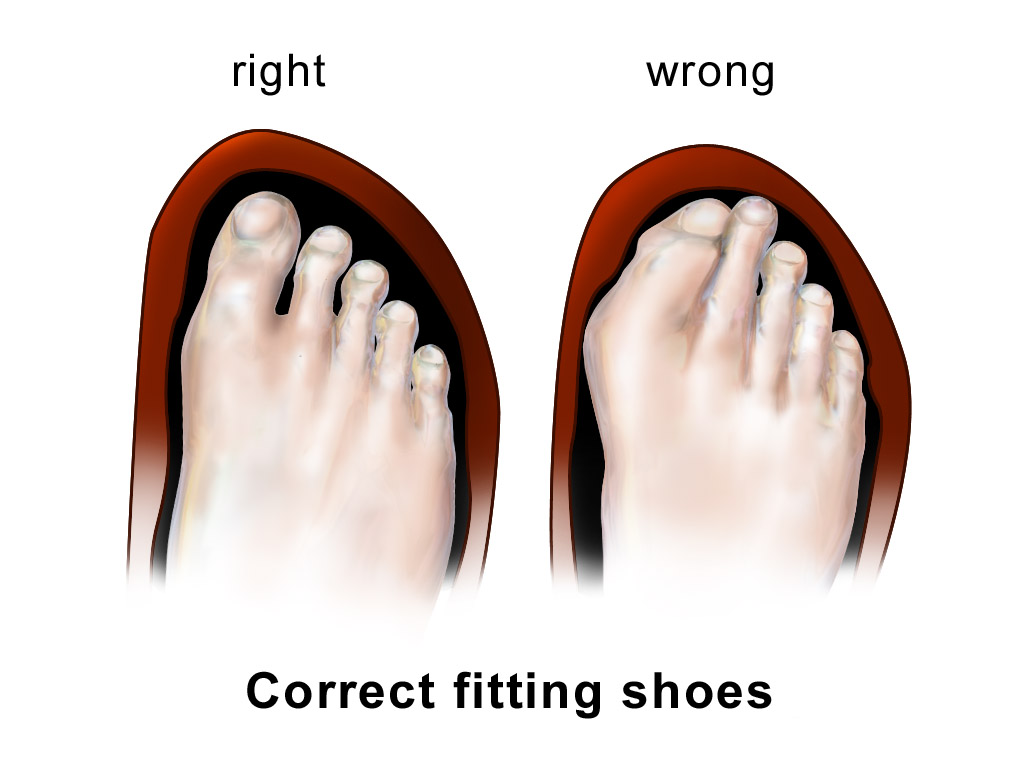
After nail care, check whether shoes or slippers press on the nail edge or toe. Photo source
Toenail cutting is only one part of diabetic foot comfort. Shoes, slippers, socks, seams, and pressure points can keep irritating a toe even after the nail edge is shorter. Check whether the nail catches on socks, presses in shoes, or leaves the toe sore after walking.
Health in Aging notes that foot pain and foot disorders can affect walking, stairs, getting out of a chair, and daily independence. If toenail pain is changing how someone walks or whether they feel steady, dealing with it early is practical mobility care, not vanity.
When home visit foot care helps
Home visit foot care can help when the problem is routine enough for foot care, but self care or clinic travel is difficult. That might mean thick nails, poor reach, reduced mobility, poor eyesight, a carer who is nervous about cutting, or an older adult who needs regular nail care without the strain of travel.
Age UK says foot care services for older people can help reduce pain, infection risk, and falls risk, and that some services may be available at home if someone is housebound. That matches the real intent behind searches like diabetic toenail cutting at home, mobile foot care, chiropodist at home, and toenail cutting at home. The family is often trying to solve an access and safety problem as much as a nail problem.
A good service should also be clear about limits. Routine nail care at home is not a substitute for urgent medical treatment, diabetic foot infection care, or wound management. If there is broken skin, infection worry, sudden colour change, severe pain, or a new wound, medical advice comes first.
How to choose the right help
Ask what the service can help with: routine toenail cutting, thickened nails, comfort care, checking obvious pressure points, and signposting when something needs a GP, NHS podiatry route, or urgent medical advice. The answer should be calm and specific, not vague reassurance.
If someone is claiming to be a registered health professional, the HCPC register is a practical trust check. It lists health and care professionals who meet standards for training, professional skills, behaviour, and health. For families comparing podiatrist at home, chiropodist at home, and mobile foot care wording, checking registration where it applies can reduce uncertainty.
For RMFC patients in Surrey, a home visit enquiry may be sensible when toenail cutting is routine but diabetes, age, reduced mobility, sight, or grip makes self care difficult. If there are warning signs, get medical advice first, then use routine foot care once it is safe to do so.
Key Takeaways
- Diabetes makes toenail cutting more cautious because reduced feeling and blood flow can make small injuries more serious.
- Check the skin, nail edges, colour, swelling, pain, and feeling before anyone cuts.
- Do not cut at home if there is broken skin, pus, spreading redness, sudden colour change, severe pain, or a nail digging into skin.
- Good lighting, stable seating, clean tools, and straight controlled trimming matter.
- Home visit foot care can help when routine nail care is needed but self care or clinic travel is difficult.
Diabetic toenail cutting is safest when it starts with an honest check: can the foot be seen clearly, does the skin look calm, can the nail be trimmed without force, and are there any warning signs? If the answer is no, stop and get the right help. For routine cases where the barrier is reach, sight, grip, mobility, or travel, home visit foot care can make nail care calmer and safer.
Need Professional Foot Care?
Book a home visit and get expert treatment without leaving your house