
Diabetes Toenail Bleeding: What to Check
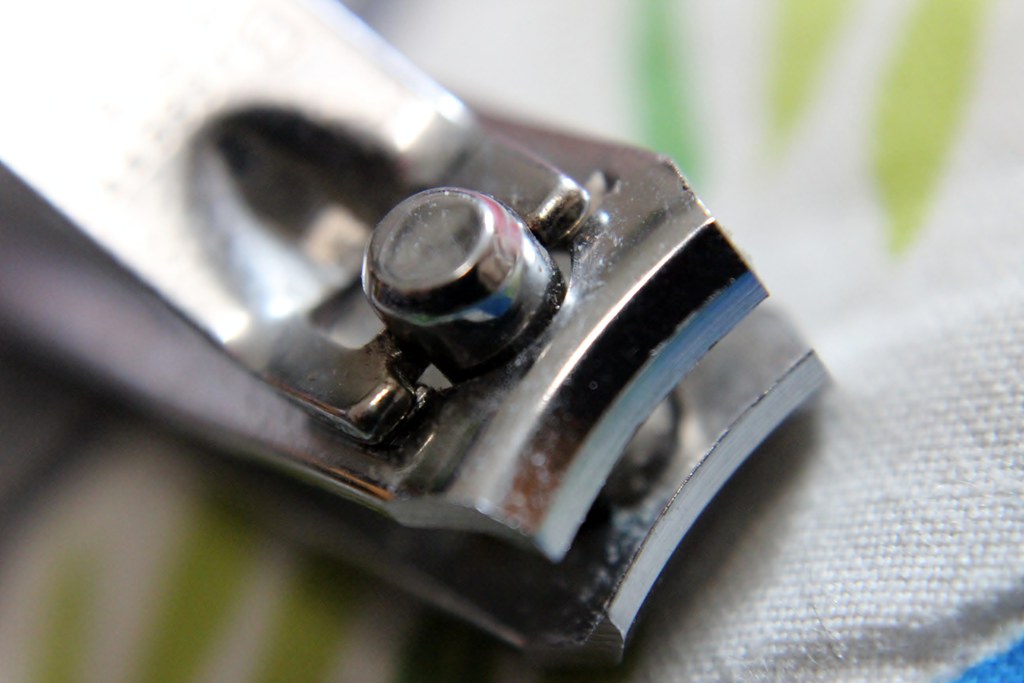
For people with diabetes, bleeding after nail cutting should be treated as a reason to stop and check carefully. Photo source
For many families, the worry starts after a small nick. A diabetic toenail bleeds during cutting, the person may not feel much pain, and nobody is sure whether to keep trimming or call for help. When diabetes is involved, the safest answer is to stop, check the toe properly, and decide whether this is minor first aid or a problem that needs medical advice.
Why bleeding changes the decision
Diabetes can affect feeling, circulation, healing, and infection risk. A small nick around a nail can matter more if the toe is red, swollen, numb, hot, very painful, slow to heal, or already has fragile skin. NICE says people with diabetes should have foot checks at diagnosis and at least once a year, and those checks include skin, hard skin, infection, foot shape, footwear, feeling, and blood flow.
That is why bleeding should change the plan. Stop cutting, clean and cover the area if appropriate, and check whether the skin has been broken. If there is discharge, new swelling, sudden pain, heat, colour change, or a wound that is more than a tiny surface nick, it should not be treated as ordinary nail care.
What to check after a nick
Look at the whole toe and foot, not only the blood spot. Check the nail edge, the skin beside the nail, the toe tip, between the toes, and the surrounding skin. Diabetes UK advises people to check their feet daily and act on cuts, blisters, redness, swelling, heat, or changes in feeling.
Use a simple family check: look, feel, compare. Look for marks, cracks, bleeding, thick hard skin, nail pressure, or discharge. Feel whether one toe or foot is warmer, colder, more swollen, or more tender than usual. Compare it with yesterday, last week, or the other foot. If the change is new or worrying, do not continue cutting.
When not to keep trimming
Do not keep trimming a diabetic toenail if there is an open cut, weeping, pus, spreading redness, new swelling, a hot toe, sudden pain, a black or blue change, or a nail digging into broken skin. Type 2 diabetes complications can include foot ulcers and infections, so these signs should not be handled as routine nail care.
The CDC advises people with diabetes to check their feet daily and avoid risky self treatment, especially attempts to remove corns or calluses themselves. The same caution applies to nail corners. If the nail looks embedded, infected, or linked to a wound, it needs professional assessment rather than bathroom trimming.
What safer first aid looks like
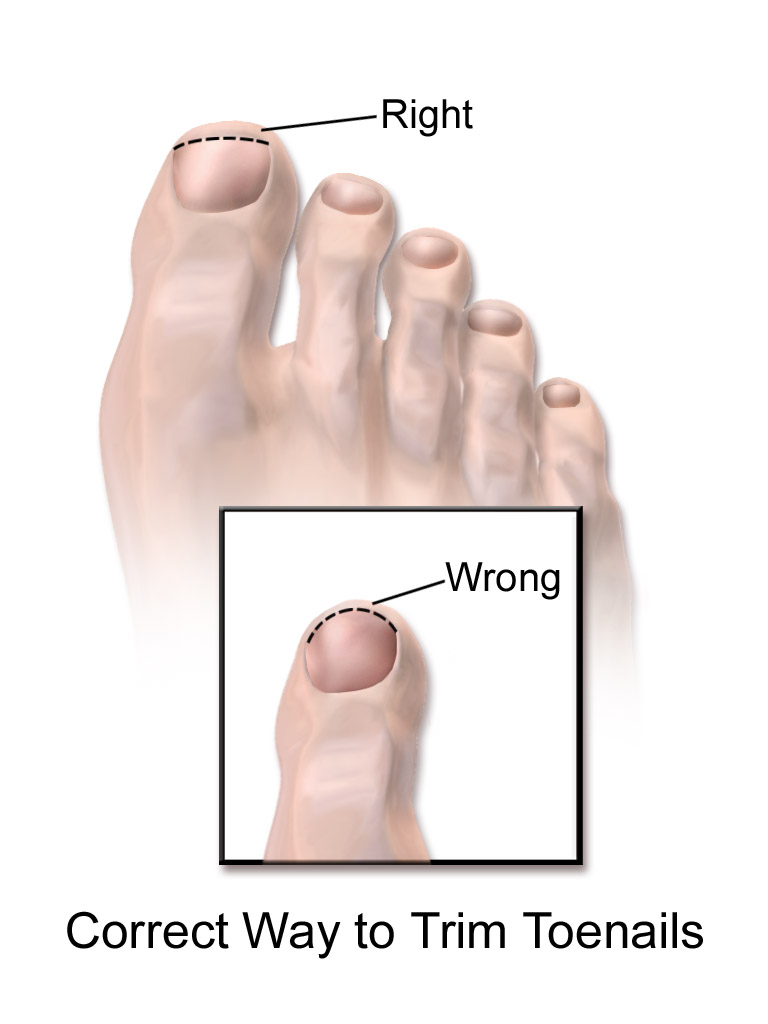
After a nick, keep care simple and stop trimming until the skin looks safe again. Image source
If bleeding is very minor, wash hands, gently clean the area, apply light pressure with clean gauze or tissue, and cover it with a clean dressing if needed. Do not dig around the nail to finish the job. Do not use blades, corn plasters, strong chemicals, or repeated cutting to tidy the area.
Check the toe again later the same day and the next day. If bleeding restarts, the skin opens more, redness spreads, swelling appears, the toe becomes warm, pain increases, or the person feels unwell, get medical advice. With diabetes, waiting to see if a wound settles can be risky when warning signs are present.
How home visit foot care can prevent repeat nicks
Home visit foot care is useful after the immediate risk has been checked, especially when repeated nicks happen because access is difficult. The person may struggle to travel, rely on family lifts, use a walking aid, or feel anxious about clinic appointments. NHS guidance explains that homecare can help with daily tasks, and GOV.UK explains that a needs assessment can look at care, equipment, and help at home.
For RMFC patients, the commercial fit is practical and calm. A diabetic foot care home visit can support careful routine nail care after the skin is safe, explain what to monitor, and make foot care easier for someone who cannot comfortably get to a clinic. It should not replace urgent medical care for wounds, infection signs, or sudden diabetic foot changes.
What families should write down
Write down when the bleeding happened, what caused it, how long it bled, whether the skin is open, and whether there is redness, swelling, heat, discharge, numbness, pain, or colour change. Also note diabetes, blood thinning medicine, circulation problems, neuropathy, recent wounds, recent infections, hospital care, and allergies. Have the person’s usual socks and shoes nearby, because nail pressure and footwear often belong to the same problem.
Age UK advises families to think carefully about arranging support at home, while Carers UK explains that families can seek practical guidance when arranging care and support for someone. CQC also explains the wider expectations around safe adult social care. For family foot care, that means being clear about what has changed and what outcome matters most: safer nail care, less pressure in shoes, easier walking at home, or knowing whether the problem needs a different route.
What to do next
If the bleeding was tiny, stopped quickly, and the skin looks calm, keep it clean and monitor it. If there is broken skin, infection, spreading redness, sudden pain, a hot swollen foot, ongoing bleeding, or a wound, contact the person’s GP, NHS 111, diabetes foot team, or urgent care route first.
The safest decision is not to finish the trim at all costs. Sometimes the safest decision is to stop, check properly, and choose the right kind of help.
Key Takeaways
- A diabetic toenail that bleeds after cutting should be checked before anyone continues trimming.
- Do not keep cutting if there is broken skin, discharge, spreading redness, swelling, heat, sudden pain, or a wound.
- Minor bleeding should be cleaned, covered if needed, monitored, and not treated as a reason to keep digging at the nail.
- Home visit foot care can help prevent repeat nicks when routine nail care is hard because of travel, bending, eyesight, or mobility.
- Urgent or changing diabetic foot problems need medical advice before routine foot care.
If you are helping someone with diabetes and a toenail bleeds during cutting, stop first and check the toe properly. When the skin is calm, careful routine care or a home visit can make future nail care easier. When warning signs appear, medical advice is the safer route.
Need Professional Foot Care?
Book a home visit and get expert treatment without leaving your house