
How to Cut Thick Toenails More Safely
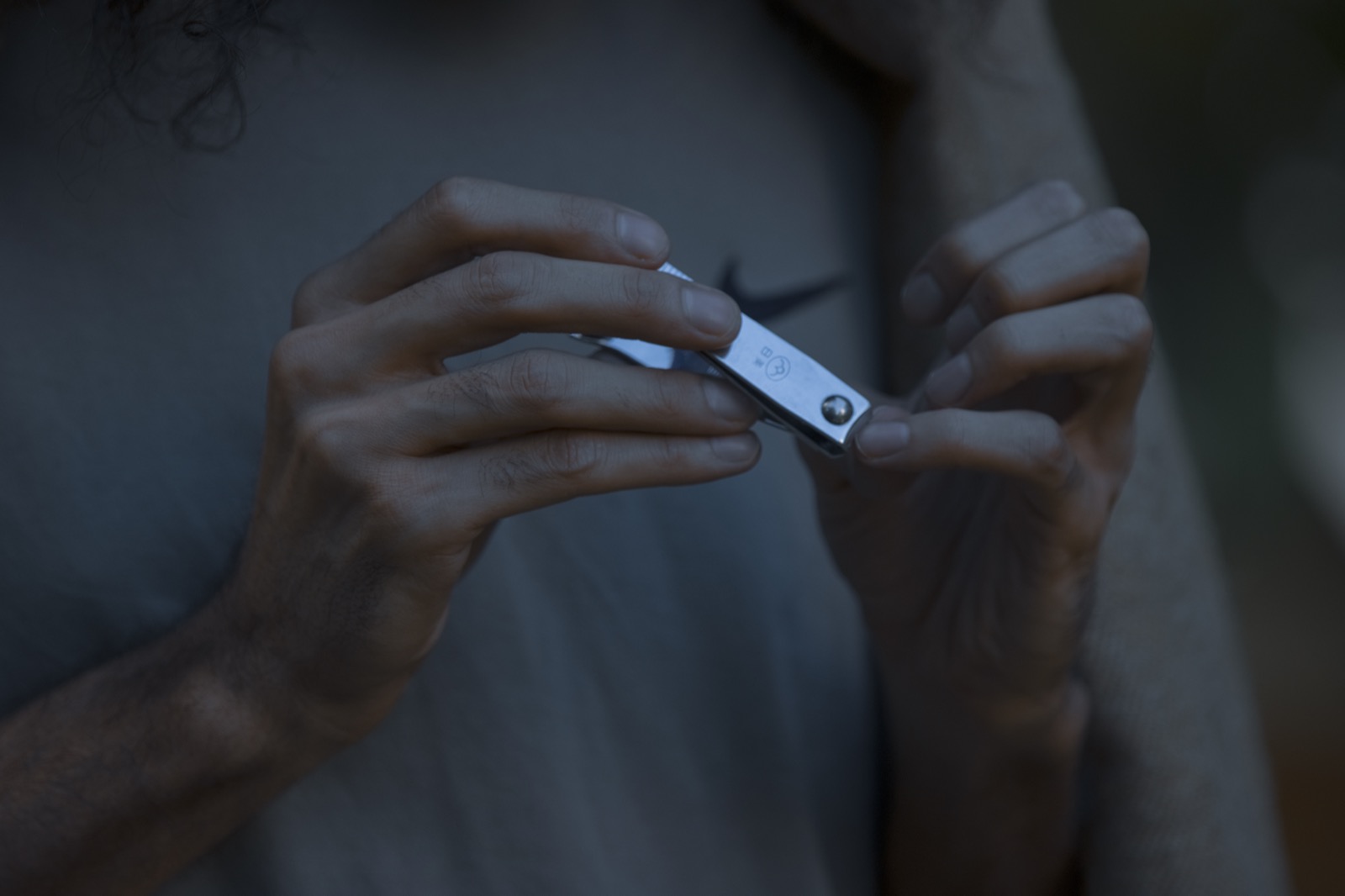
The right tools matter when nails are thick, curved, or too hard for ordinary clippers. Photo source
Thick toenails are common, frustrating, and often much harder to deal with than people expect. The practical search query this article answers is cutting thick toenails safely. For most people, the problem is not knowing that nails need cutting. It is working out when ordinary home trimming stops being realistic.
Why thick toenails happen
Toenails often thicken gradually with age, but age is not the only reason. Nail injury, repeated pressure from footwear, fungal nail infection, and certain health conditions can all change how the nail grows. The NHS notes that toenails can become thicker, looser, more brittle, or change colour, and that is often the first clue that ordinary nail care may become harder.
A thick nail is not automatically dangerous, but it can become awkward very quickly. The nail may press into shoes, push against the next toe, catch on socks, or become too hard for standard clippers to cut cleanly.
That is why people often leave thick nails too long. The longer they wait, the more force is needed, and the more likely home cutting becomes uncomfortable or risky.
What makes thick nails harder to cut safely
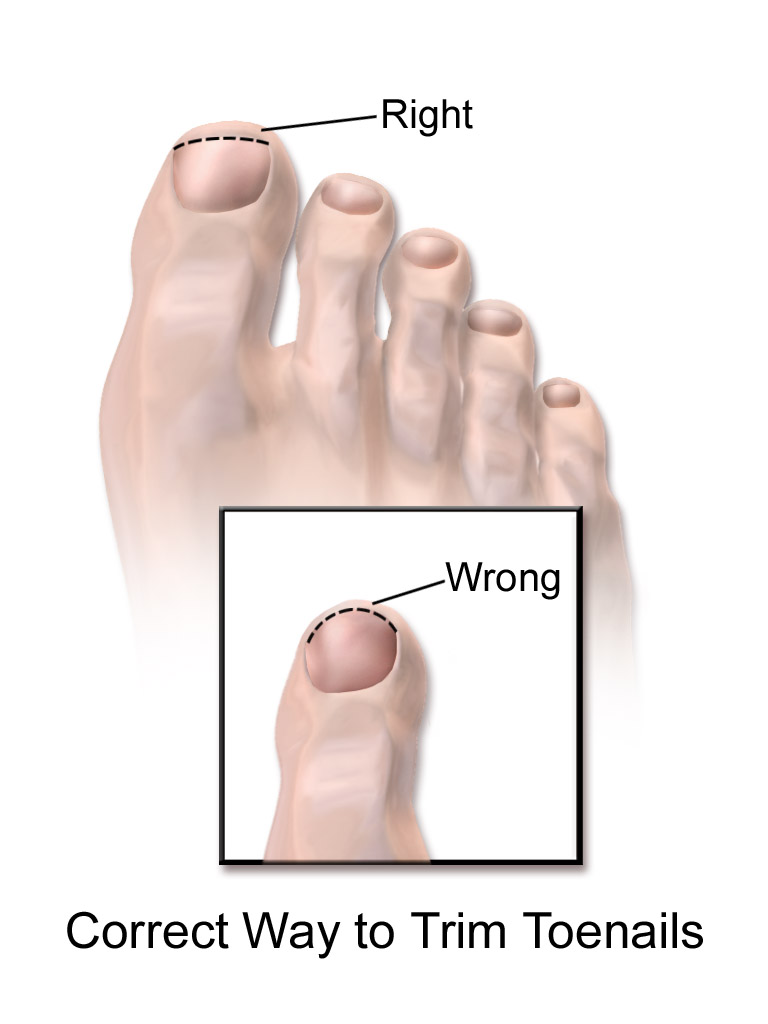
Nail cutting is safer when the nail edge is visible, reachable, and the tool is right for the thickness of the nail. Photo source
The danger is not only the thickness of the nail. It is the combination of thickness, position, vision, reach, and grip. If someone is twisting awkwardly, guessing where the edge is, or using small clippers that keep slipping, the risk rises fast.
Guy's and St Thomas' foot care advice recommends trimming nails straight across and taking care if you struggle to reach your feet. That sounds simple, but thick nails often stop the process being simple in real life.
If the nail is curved, painful, or hard enough that the clipper bends before the nail gives way, the problem is no longer routine household nail care. It needs a safer approach.
When home cutting becomes a poor idea
Home cutting becomes a poor idea when the nail is thick enough to split instead of cut, when the person cannot reach their feet without strain, or when eyesight or hand strength makes the job uncertain. The NHS specifically suggests podiatry support if your nails are too tough to cut or you cannot reach them.
It is also sensible to stop if the nail is digging into the side, the skin around it is red or swollen, or the nail has changed colour suddenly. South Tees podiatry guidance warns that cutting down the sides can leave a nail spike and that difficult nails should prompt professional advice on safer nail care.
In plain terms, if cutting the nail feels like a fight, there is a good chance the safer option is to stop fighting it.
Some thick nails need assessment, not just trimming
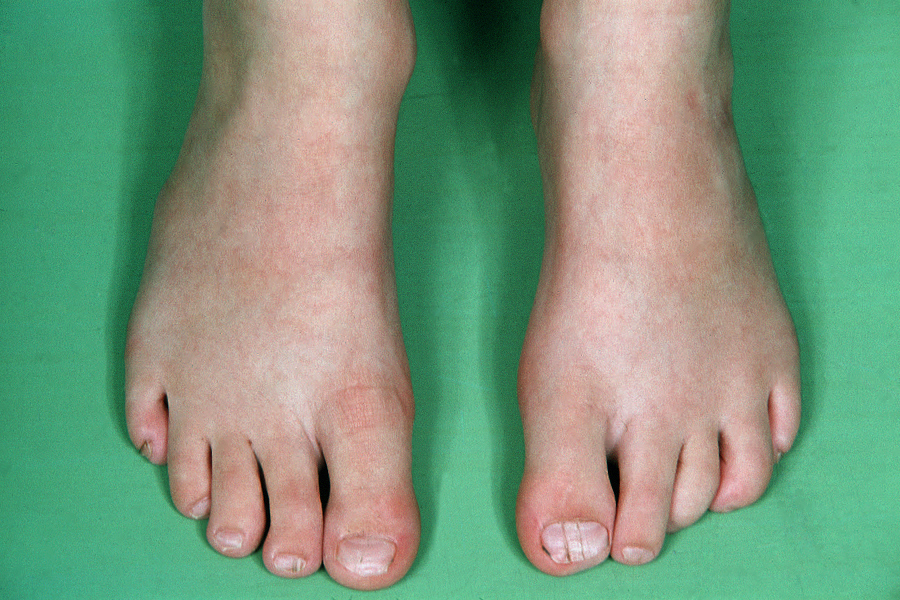
A very thick nail can have several causes, so treatment is not always just a matter of clipping it shorter. Photo source
A thick nail can be caused by pressure, old trauma, fungal infection, or other nail changes. That matters because the safest next step is not always the same. Mayo Clinic notes that clinicians may examine the nail and sometimes take clippings or scrapings to confirm whether fungus is involved.
If the nail is crumbly, lifting, painful, or changing shape quickly, it is worth treating it as more than a simple grooming problem. The cutting might still be straightforward for a professional, but the reason behind the thickening still matters.
That is especially true if the person has diabetes, numbness, poor circulation, or wounds on the foot. In those cases, safe routine care and medical escalation need to be kept clearly separate.
What professional foot care can do better
Professional foot care is not just stronger clippers. It is better positioning, more suitable equipment, careful reduction of thickness where appropriate, smoother finishing, and a clearer sense of where the nail edge should stop.
A home visit is particularly useful when the problem is practical rather than dramatic. Someone may simply need safe help because bending is difficult, clinic travel is hard, or the nails have become too thick for ordinary tools. In Surrey, that is where support for hard and thickened nails at home can be a more realistic fit than repeated DIY attempts.
Most people notice the difference immediately. The nails feel lighter, smoother, and easier to manage, and the next visit can be planned before the problem builds up again.
When to stop trying and book help
Book help if the nail is too thick for standard clippers, if you are worried about cutting the skin, if the nail hurts in shoes, or if you keep putting the job off because it feels unsafe. Those are all signs that the problem has moved beyond easy home maintenance.
Do not keep trimming if the toe becomes red, swollen, hot, or starts discharging. A thick nail can overlap with infection or ingrowing, and that changes what safe care looks like.
For people who are housebound, older, or trying to help a relative without hurting them, arranging a home visit is often the most practical way to solve the problem safely.
Key Takeaways
- Thick toenails are common, but they are not always simple to manage at home.
- The real risk usually comes from thickness plus poor reach, poor visibility, weak grip, or the wrong tools.
- Stop DIY cutting when the nail is splitting, painful, curved, or too hard for ordinary clippers.
- Some thick nails need assessment for trauma, fungal change, or higher risk foot problems.
- Professional care is often safer and more comfortable than repeated home attempts.
Cutting thick toenails safely is usually less about technique tips and more about knowing where the safe limit is. If the nail is too hard, too awkward, or too uncomfortable to manage properly at home, it makes sense to stop before you injure the skin or make the problem worse. In Surrey, a calm home visit can take thick nails from stressful to manageable again.
Need Professional Foot Care?
Book a home visit and get expert treatment without leaving your house