
Cracked Heels in Older Adults: What Is Safe
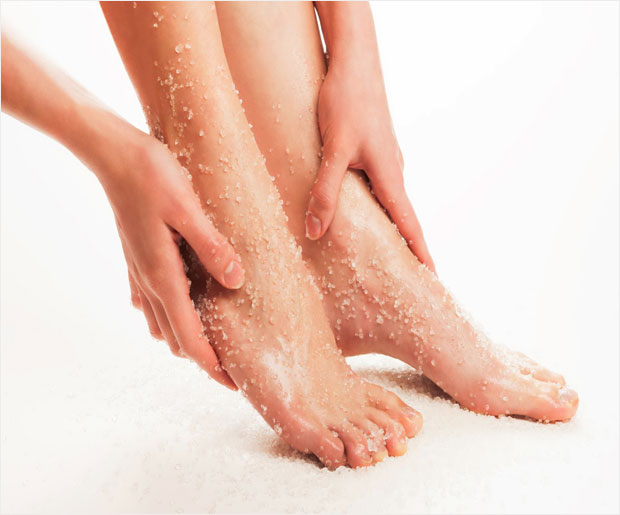
Cracked heels often start as dry hard skin, but deeper splits can become painful when walking. Photo source
The practical search query this article answers is cracked heel treatment at home. It is for the older adult, partner, adult child, or carer who can see dry, split heel skin getting sore, catching on socks, or making walking less comfortable, and who wants to know what is safe to try before booking home visit foot care.
Why cracked heels become a bigger problem later in life
Cracked heels can look like a small skin problem until they start hurting with every step. The Royal College of Podiatry explains that ageing feet often become drier, more fragile, and more likely to lose natural oils, so routine foot care can help maintain comfort and mobility. That is why heel cracks matter more when walking, stairs, shoes, or confidence leaving the house are already harder.
The problem usually begins with dry skin and hard skin around the heel. When that skin loses flexibility, normal pressure from standing or walking can make it split. Practical cracked heel guidance often describes the same pattern: dry or thickened heel skin is more likely to crack under pressure.
For RMFC, this topic matters commercially because the searcher is often close to needing help. Phrases such as cracked heel treatment at home, hard skin removal near me, mobile foot care, chiropodist at home, podiatrist at home, and home visit foot care usually come from someone who wants discomfort reduced without the stress of travelling to a clinic.
What you can safely check first
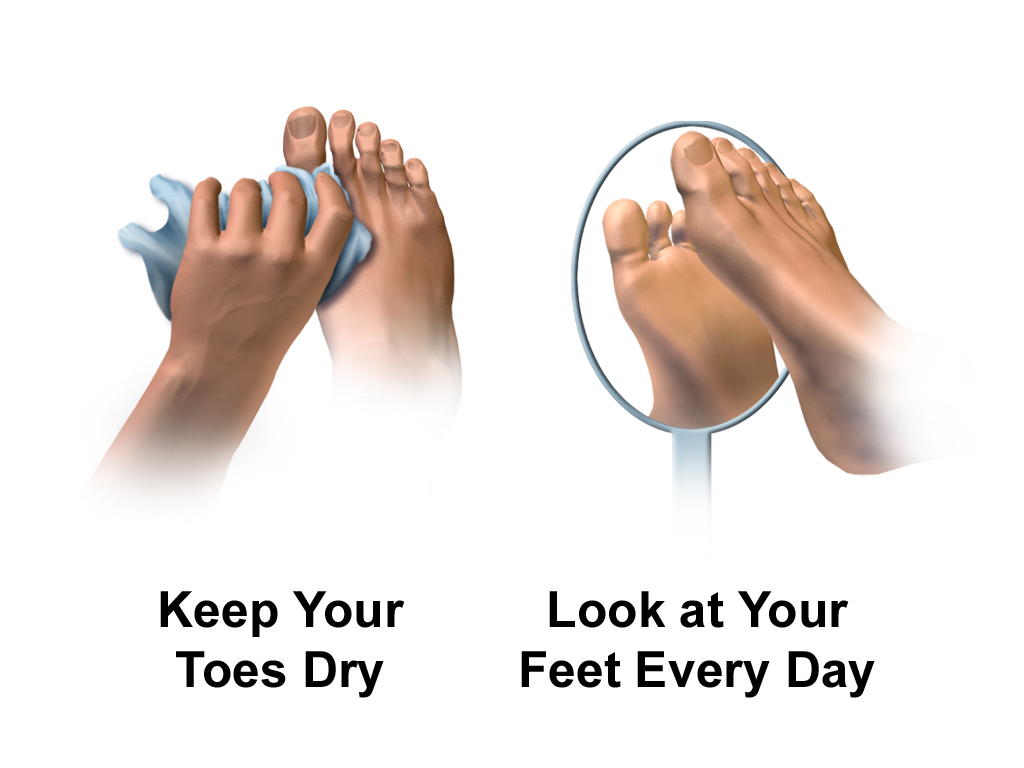
A careful foot check helps separate dry skin from warning signs that need professional advice. Photo source
Start by looking at the whole heel, not just the deepest split. Check for bleeding, warmth, swelling, discharge, spreading redness, bad smell, severe pain, or a crack that looks like an open wound. NHS advice on corns and calluses gives a useful safety boundary: do not cut hard skin yourself and get help if pain is severe, there is bleeding or discharge, or diabetes or circulation problems are present.
Then check what is making the heel worse. Shoes that are loose at the heel can rub. Backless slippers can let the heel spread and dry out. Long periods standing can increase pressure. APMA heel pain guidance is not only about cracked skin, but it is useful because footwear, pressure, weight, and walking mechanics can all affect heel comfort.
If the person cannot bend, see the heel clearly, or hold the foot safely, the inspection itself may be the hard part. Living Made Easy focuses on practical aids and independent living, and that same logic applies here: practical barriers need practical solutions, not guesswork with blades or strong products.
What home care can do and what it should not do
For mild dryness without broken skin, home care is usually about moisture, protection, and reducing friction. Shorter warm washing, gentle drying, a suitable moisturiser, socks after applying cream, and better fitting footwear can help the heel skin become more flexible. Medical News Today explains that cracked heel care often includes regular checking, moisturising, and appropriate footwear, especially when diabetes is part of the picture.
Avoid cutting hard skin with scissors, blades, razors, or knives. Avoid digging into cracks. Avoid strong acid treatments if the skin is split, painful, or the person has diabetes, poor circulation, heart disease, reduced feeling, or fragile skin. The NHS boundary is clear for hard skin problems: some people should not self treat because foot problems can become more serious.
A pumice stone or foot file can sound simple, but it still needs good reach, sight, balance, and judgement. If the heel is painful, bleeding, deeply split, or hard to reach, the safer next step is assessment rather than more pressure at home.
When diabetes or poor circulation changes the answer
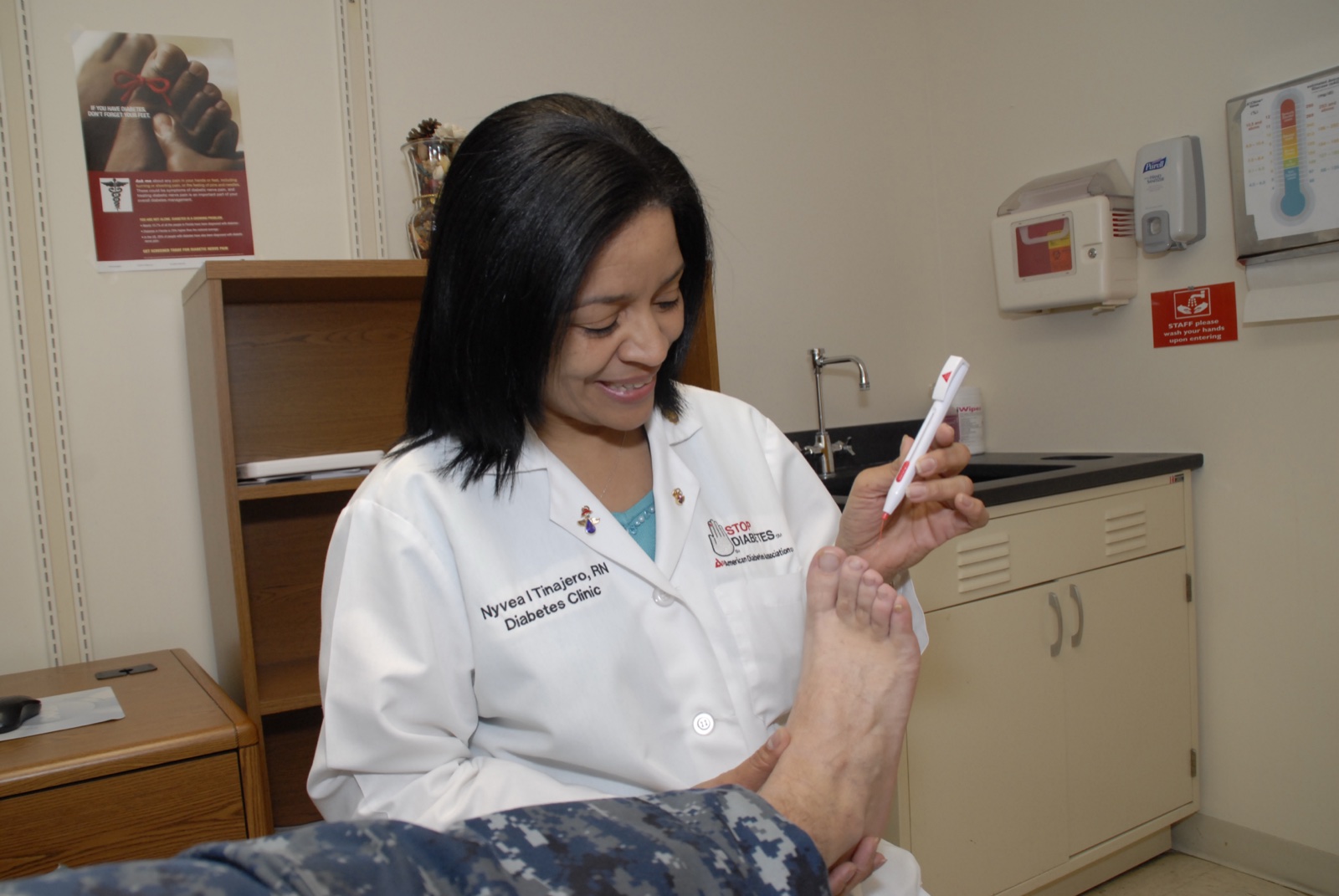
Diabetes, circulation problems, and reduced feeling lower the threshold for getting foot problems checked. Photo source
Cracked heels need more caution when the person has diabetes. Diabetes UK explains that diabetes can affect the nerves and blood supply in the feet, which means small cuts, sores, swelling, and changes in feeling need prompt attention. A heel crack is not automatically dangerous, but it should not be ignored if risk factors are present.
The same point appears in diabetes foot care guidance from NIDDK: nerve damage can reduce feeling, and reduced blood flow can make sores or infections harder to heal. For a carer, the practical lesson is simple: look at the feet every day and act early when something changes.
Seek medical advice urgently if there is spreading redness, pus, heat, sudden swelling, a new wound, black or blue colour change, severe pain, fever, or a diabetes related foot change that is new or worsening. Home visit foot care can support routine care, but it should not replace urgent medical input where infection, ulceration, or circulation concerns may be present.
When a home visit is the safer next step
A home visit is useful when the issue is routine but hard to manage safely: thick hard skin around the heel, painful dry cracks, poor reach, reduced mobility, fear of cutting skin, or discomfort that makes shoes and walking harder. Age UK describes foot care services for older people as helping with pain, infection risk, falls risk, and basic foot care when people cannot look after their feet, with home access for some housebound people. That supports the everyday value of bringing appropriate foot care closer to older adults who struggle to manage alone.
Falls risk is part of the decision. If someone is standing awkwardly, bending too far, or trying to balance with one foot on a stool to reach a heel, the task is no longer simple skincare. NHS falls guidance says to get help if you are worried about balance or mobility, and describes how falls services may look at strength, balance, eyesight, and home safety. That makes safe positioning and support part of the foot care plan.
For families, a short preparation note helps. Write down where the heel hurts, whether it bleeds, what shoes are worn most, whether diabetes or circulation problems are present, whether the person takes blood thinning medication, and whether bending or travel is difficult. Carers UK recognises that arranging support can start with uncertainty, so turning worry into clear information makes the next step easier.
For RMFC patients in Surrey, a home visit enquiry may be sensible when cracked heels, hard skin, or foot discomfort are routine but difficult to manage safely at home. If the problem is part of a wider care need, a needs assessment can look at help at home, equipment, adaptations, and care needs.
Key Takeaways
- Cracked heels in older adults are often caused by dry, hard skin that splits under pressure.
- Mild dryness may improve with moisturising, protection, good footwear, and gentle care.
- Do not cut hard skin or dig into heel cracks at home.
- Diabetes, poor circulation, reduced feeling, bleeding, discharge, swelling, or severe pain should lower the threshold for medical advice.
- Home visit foot care can help when the problem is routine but reach, mobility, confidence, or travel makes self care difficult.
Cracked heels are worth taking seriously when they affect walking, shoes, sleep, confidence, or skin safety. The safest approach is to check the heel properly, keep home care gentle, stop before broken skin gets worse, and ask for help when risk factors or mobility barriers make self care uncertain.
Need Professional Foot Care?
Book a home visit and get expert treatment without leaving your house