
When Cracked Heels Need Foot Care at Home
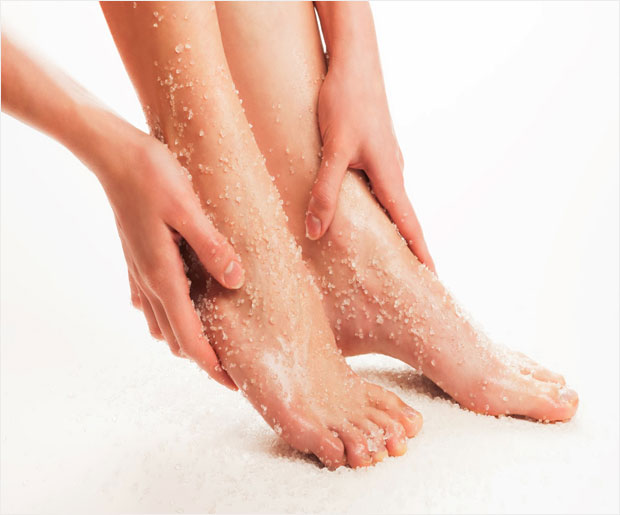
Cracked heels often start as dry hard skin, but deeper splits, pain, diabetes, or reduced mobility can change what is safe to do at home. Photo source
The practical search query this article answers is cracked heels foot care at home. It is for someone whose heel cracks keep catching, stinging, bleeding, or making walking uncomfortable, and for family members wondering whether moisturiser is enough or whether a home visit is now the safer option.
Why cracked heels become more than dry skin
Dry cracked heels are usually linked to dry skin, pressure, and the way the heel spreads under body weight. NHS podiatry guidance from South Tees explains that dry and cracked heels are generally caused by lack of moisture and can be worse in open backed shoes, with regular filing and daily moisturising often used for treatment and prevention.
That sounds simple, but the practical problem is often not simple. A small dry rim can turn into deeper heel fissures when the skin is thick, the heel keeps taking pressure, footwear leaves the heel unsupported, or the person cannot reach their feet well enough to keep up daily care.
The question is not whether every cracked heel needs professional treatment. Many do not. The question is when the crack is no longer just rough skin and is becoming painful, repeated, hard to manage, or risky for the person living with it.
Why cream alone may not be enough
Moisturiser helps the dry skin side of the problem, but it does not always solve pressure. Corns and calluses form where repeated friction or pressure makes the skin thicken, and that same pressure pattern can make heel skin split again after it softens. MedlinePlus describes callus as a protective response to repeated pressure or friction.
This is why a cracked heel can keep coming back even when someone is using cream. The skin may be softer for a while, but the heel is still dry, thick, loaded, and rubbing in the same way. Poorly fitting shoes, open backed slippers, barefoot walking indoors, long periods standing, and reduced fat padding in older feet can all keep the cycle going.
UK patient guidance on corns and calluses also links thicker foot skin to pressure, footwear, bony foot shape, and walking load, and advises expert help if a corn or callus becomes painful rather than trying to cut it yourself. The same caution is sensible when heel cracks are deep, painful, or returning quickly.
What you can try first if the foot is low risk
If there is no diabetes, poor circulation, reduced feeling, wound, spreading redness, discharge, or severe pain, the first step is usually gentle routine care. Moisturise the heels daily, avoid cream between the toes, wear socks or closed supportive footwear if open backed shoes make the dryness worse, and use a foot file only gently on dry hard skin if you can do it safely.
The Royal College of Podiatry general footcare guide encourages sensible daily foot hygiene, moisturising dry skin, and checking feet for changes, which fits the everyday prevention approach for common foot care problems.
Do not use blades, harsh scraping, acid corn plasters, or aggressive filing on cracked heels. If a crack is open, bleeding, infected, or too sore to walk on, the safer step is not stronger DIY. It is assessment.
Signs that home treatment should stop
Stop self treatment and seek advice if the heel crack is bleeding, weeping, hot, swollen, increasingly red, producing discharge, causing severe pain, or stopping normal walking. A cracked heel is an opening in the skin, so the concern is not only comfort. It is whether infection, delayed healing, or a deeper skin split is becoming possible.
NHS advice for heel pain says to seek help when pain stops normal activities, gets worse, or does not improve after home care, and urgent help is needed after injury or when the foot cannot bear weight. That same decision logic is useful when heel cracks are changing how someone walks or manages daily life.
A practical test is behaviour. If the person is avoiding stairs, cancelling outings, leaning away from one heel, choosing unsafe slippers because shoes rub, or asking family to check the skin every day, the cracked heel has become a function problem, not just a cosmetic one.
When diabetes changes the answer
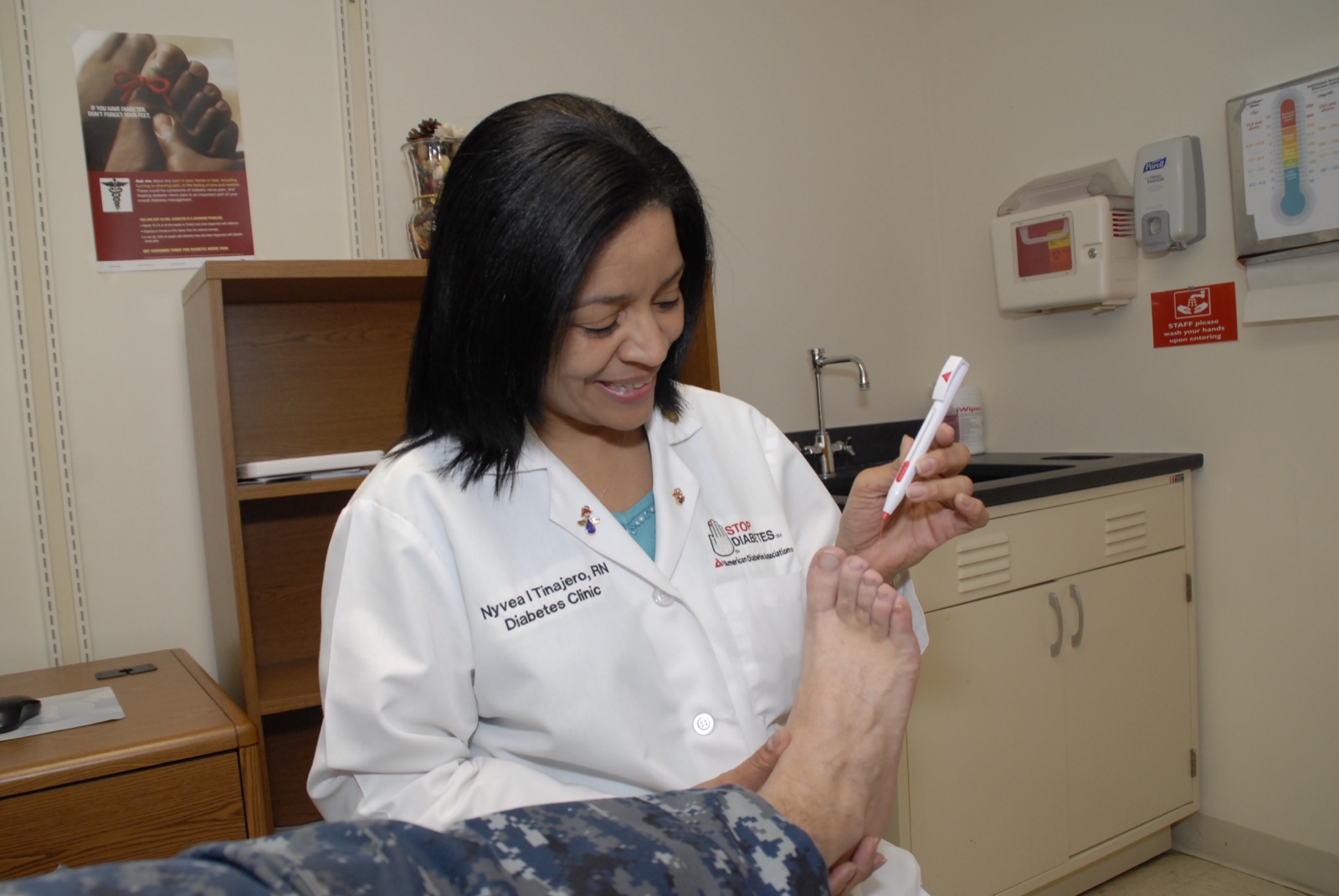
With diabetes, reduced feeling, poor circulation, or slow healing, cracked heels should be treated more cautiously. Photo source
Diabetes changes the threshold for getting help. NICE says diabetes foot checks should include skin changes, ulcers, sores, areas of hard skin, inflammation or infection, footwear, foot shape, feeling, and blood flow. That means cracked heels should be considered as part of a wider diabetes foot risk check, not treated as ordinary dry skin.
Diabetes UK explains that diabetes can damage nerves and blood supply, which can mean people damage their feet without noticing and cuts or sores heal less well. It advises getting help for symptoms such as loss of feeling, swelling, skin colour changes, or wounds, because foot problems can become serious.
The CDC gives a simple rule for people with diabetes: check feet every day, wear well fitting shoes, and do not try to remove corns or calluses yourself. Its foot care advice specifically includes checking for cuts, swelling, sores, blisters, corns, or calluses.
For RMFC, this means a home visit may be appropriate for routine low risk foot care, but new broken skin, infection signs, sudden pain, or reduced feeling with diabetes should be directed to the GP, NHS podiatry route, foot protection team, or urgent care as appropriate.
Why older adults and carers notice the problem later
Cracked heels often become worse when someone cannot see, reach, or manage their feet easily. Ageing feet can be harder to care for because bending, eyesight, grip, balance, medication, pain, and footwear choices all affect the routine. Health in Aging notes that foot pain and foot disorders are common in older people and can make walking and daily activities harder.
Age UK describes foot care in later life as important for reducing pain, falls risk, and infection risk, and notes that some foot care services may be available at home if someone is housebound. That is exactly the kind of practical barrier families often face with cracked heels.
For carers, the issue may show up as laundry marks from bleeding, a parent refusing shoes, or someone walking less because the heel catches. If daily care needs are widening, Carers UK explains that a needs assessment can look at what help someone needs with care and support at home, including difficulties with looking after themselves.
Mobility and pressure can keep cracks returning
The skin split is sometimes the visible sign of a pressure problem. Someone with stiff joints, a shuffling gait, painful knees, swollen feet, or reduced balance may load the heel differently and keep stressing the same dry edge. Parkinson's UK notes that gait, stiffness, balance, and mobility problems can change walking patterns and may lead to pressure problems such as hard skin.
This matters because removing dry hard skin alone may not stop the cracks if the foot still lands the same way, the slipper still rubs the heel edge, or the person still cannot moisturise consistently. The best plan often combines gentle skin care, footwear changes, pressure awareness, and realistic support.
If a cracked heel keeps returning in the same place, look at the shoes and slippers the person actually wears at home. The answer is rarely hidden in a perfect product. It is usually in the repeated daily pattern.
What a home foot care visit can help with
A home visit can help when cracked heels are uncomfortable, hard to reach, repeatedly building hard skin, or being neglected because travel is difficult. The appointment can assess the heel skin, reduce hard skin within scope, support routine nail or foot care where needed, and explain what should be watched between visits.
It can also make the advice more realistic. Instead of guessing about footwear, the usual shoes and slippers are in the room. Instead of asking someone to describe how hard it is to reach their feet, the practical barrier is obvious. Instead of giving a long list, the plan can focus on what the person or carer can actually keep up.
For people in Surrey, booking home visit foot care with Rithik's Mobile Foot Care can be a sensible next step when cracked heels are painful, recurrent, or difficult to manage safely. If there is diabetes with new broken skin, redness, heat, swelling, discharge, sudden pain, or reduced feeling, seek medical advice first.
Key Takeaways
- Cracked heels are often dry skin plus pressure, not just a moisturiser problem.
- Gentle moisturising, supportive footwear, and careful filing may help low risk feet, but blades and aggressive DIY are unsafe.
- Bleeding, discharge, spreading redness, swelling, heat, severe pain, or walking changes should trigger professional advice.
- Diabetes, reduced feeling, poor circulation, slow healing, or new broken skin lowers the threshold for medical input.
- Home visit foot care can help when cracked heels are recurrent, painful, hard to reach, or linked to mobility and footwear barriers.
Cracked heels do not always need an appointment, but they should not be ignored when they keep splitting, hurt, bleed, or affect walking. The safest decision is based on risk, not embarrassment. If the foot is low risk, start with gentle daily care and better heel support. If the crack is open, painful, recurring, or difficult to manage, home visit foot care can help you understand what is driving it and what needs to happen next.
Need Professional Foot Care?
Book a home visit and get expert treatment without leaving your house