
Corn on Top of Toe From Shoes: What Helps

A corn on the top of a toe usually needs pressure relief, not just repeated scraping or stronger plasters. Photo source
The practical search query this article answers is corn on top of toe from shoes. It is for someone whose toe hurts in shoes, whose family member has a small hard lump on a toe joint, or whose corn keeps returning after pads, files, or shop bought treatments. This article belongs to the pillar Corn, callus, cracked heel, and skin discomfort relief because the core problem is pressure, rubbing, and painful hard skin.
Why shoes cause corns on top of toes
A corn is not just dry skin. It is a concentrated area of hard skin that forms where pressure or rubbing keeps irritating the same spot. The Royal College of Podiatry explains that corns are caused by pressure or friction over bony areas, such as a joint, and can have a central core that hurts when it presses on sensitive tissue.
That is why the top of a toe is such a common place for trouble. If a toe bends, curls, lifts, or rubs against the upper of a shoe, the skin tries to protect itself by thickening. Patient.info notes that hard corns commonly occur on the top of smaller toes or the outside of the little toe, which are areas where poorly fitted shoes tend to rub most.
The commercial reason this matters for RMFC is simple: this search usually comes from pain during ordinary walking, not casual curiosity. The person may still be mobile, but shoes are becoming uncomfortable, and they often need practical pressure relief, safe reduction of hard skin, and honest advice about whether routine home visit foot care is appropriate.
What to check before treating it
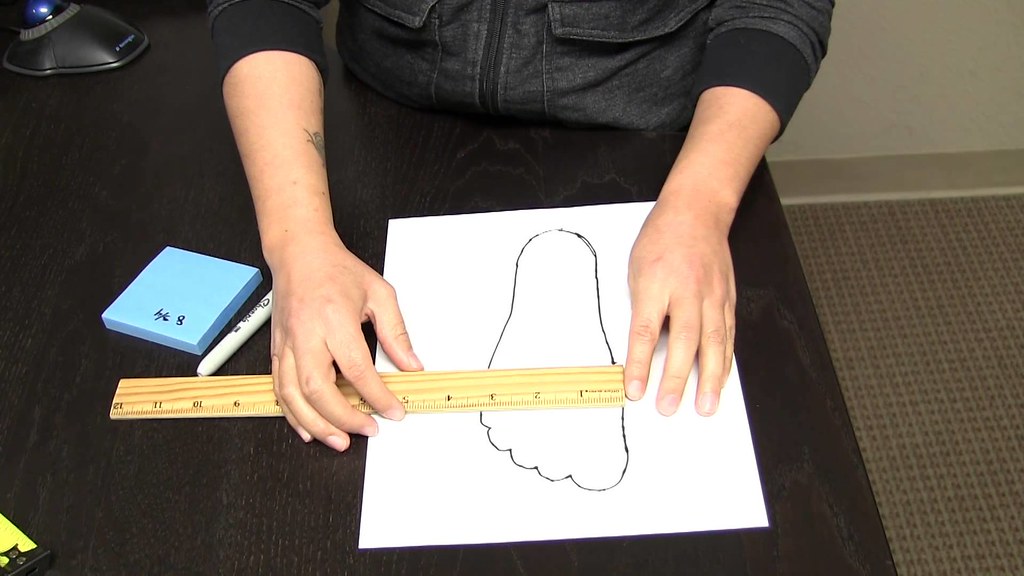
For a corn on top of a toe, the safest image is the pressure problem: checking whether footwear gives toes enough room. Photo source
Before using a corn plaster or file, check the toe. Is the skin closed or broken? Is there redness, heat, swelling, bleeding, discharge, or severe pain? Is the person diabetic, older, immunosuppressed, or known to have poor circulation? These details change what is safe.
NHS guidance says corns are small lumps of hard skin that can be tender or painful. It also warns that older people and people with diabetes, circulation problems, or a weakened immune system should not try to treat corns and calluses themselves because foot problems can become more serious.
Diabetes deserves particular caution. Diabetes UK explains that nerve damage can reduce feeling in the feet and that reduced blood supply can make cuts and sores heal more slowly. Its toe-problem guidance includes thick skin build up on the top or sides of toes, so a painful or changing corn should be checked early.
What helps the pressure
The first useful question is not how to remove the corn. It is what keeps pressing on it. If the same shoe, seam, tight toe box, slipper, or toe position keeps rubbing the same place, the corn is likely to return even after it is reduced.
The NHS suggests wide, well-fitting, supportive shoes with a low heel and soft sole that do not rub, along with cushioned socks, soft insoles, heel pads, toe separators, and pharmacy advice where self care is appropriate. It also advises against high heels and tight pointy shoes because pressure and rubbing are common causes.
Footwear depth matters when the corn is on top of a toe. Guy's and St Thomas' NHS footwear guidance says the front of a shoe needs enough toe box depth so it does not press on the tops of the toes, otherwise corns can develop. In practical terms, the shoe has to make room for the toe, not just feel soft at the heel.
Versus Arthritis also links comfortable footwear and foot care with managing sore feet. That is relevant because a corn on top of a toe often appears alongside stiff joints, bent toes, bunions, or difficulty finding shoes that feel secure without pressing on the toe joints, so comfort and fit need to be treated as part of the solution.
What not to do at home
Do not cut a corn out with scissors, blades, razors, craft knives, or sharp callus tools. Do not dig at the central hard area until it bleeds. Do not apply acid corn plasters over broken skin, fragile skin, or skin you cannot see clearly. These shortcuts can create a wound.
The Royal College of Podiatry says it is not advisable to cut corns yourself, especially if you are elderly or have diabetes. It also warns that corn plasters contain acids that can burn healthy skin around the corn and may lead to serious problems such as infection, so commercial products should be used cautiously.
If you are helping a parent or partner, be honest about visibility and control. A small hard corn can sit close to fragile skin over a toe joint. If the person pulls away, the toe is painful, or the skin is thin, forcing a home treatment is not sensible foot care.
When the corn needs medical advice
Get medical advice first if the corn bleeds, has pus or discharge, becomes hot or swollen, causes severe pain, stops normal activities, or does not improve after about three weeks of suitable self care. Also get advice if there is diabetes, poor circulation, reduced immunity, reduced feeling, or a wound on or near the toe.
The NHS gives similar escalation points for corns and calluses, including diabetes, circulation problems, weakened immunity, bleeding, discharge, severe pain, and no improvement after three weeks. That makes persistent or higher risk toe pain a reason to pause home treatment.
The CDC gives a clear diabetes foot care habit: check feet every day for cuts, redness, swelling, sores, blisters, corns, calluses, and nail changes, and use a mirror or ask for help if seeing the feet is difficult. For someone with a top-of-toe corn, daily checking matters because shoe pressure can hide early damage.
NHS inform makes the same risk pattern plain: diabetes can damage nerves and affect blood flow to the feet. If a corn has formed because the toe keeps rubbing in a shoe, reduced feeling can make pain an unreliable warning sign.
Why older adults should not ignore it
A corn on the top of a toe can change how someone walks. They may avoid proper shoes, shuffle in slippers, stop going out, or choose footwear that feels loose but increases falls risk. The corn may look small, but the effect on confidence and daily routine can be much larger.
Health in Aging notes that foot pain and foot disorders are common in older people and can make it harder to walk, use stairs, prepare meals, get out of a chair, or use the toilet. That is why toe pain should be treated as a mobility issue, not just a skin issue.
Age UK says foot care services for older people can reduce pain, reduce infection risk, and lower falls risk, and that some services may be accessed at home if someone is housebound. For families, home based foot care can be a practical way to protect comfort and independence.
How home visit foot care can help
A home visit can help when the problem is routine, the skin is closed, and the main barrier is safe foot care access. The visit can reduce suitable hard skin, check obvious pressure points, advise on footwear pressure, use padding where appropriate, and explain when a GP, NHS podiatry route, or urgent medical care is needed instead.
This is different from simply buying stronger products. Living Made Easy is useful for thinking about equipment and daily living support, but toe corns still need the right risk decision. Helpful gadgets and supports do not replace a clear view of the skin and safe hands-on care.
If you are comparing podiatrist at home, chiropodist at home, or mobile foot care, the HCPC register is a useful check when someone claims to be a regulated professional. It can help families understand who they are booking and what registration applies.
For RMFC patients in Surrey, a home visit foot care enquiry may be sensible when a corn on top of a toe is painful in shoes, keeps returning, or is hard to manage safely. If there is broken skin, discharge, spreading redness, severe pain, diabetes with a worrying change, or reduced feeling, seek medical advice first.
Key Takeaways
- A corn on top of a toe usually forms because shoe pressure or rubbing keeps hitting the same spot.
- Pressure relief matters as much as reducing the hard skin, otherwise the corn often comes back.
- Do not cut a corn out at home or use acid corn plasters on broken, fragile, or higher risk skin.
- Older adults and people with diabetes, poor circulation, reduced immunity, or reduced feeling should get advice before self treating.
- Home visit foot care can help when the problem is routine but safe self care or clinic travel is difficult.
A corn on top of a toe is usually a pressure problem first and a hard skin problem second. If the shoe still presses, the corn is likely to stay sore or return. Start by checking the skin, the person's health risks, and the footwear pressure. If the toe is painful, hard to see, hard to reach, or not improving, do not keep digging at it. Safer help is often the step that protects walking, shoes, and confidence.
Need Professional Foot Care?
Book a home visit and get expert treatment without leaving your house