
Can Diabetics Use Corn Plasters Safely?
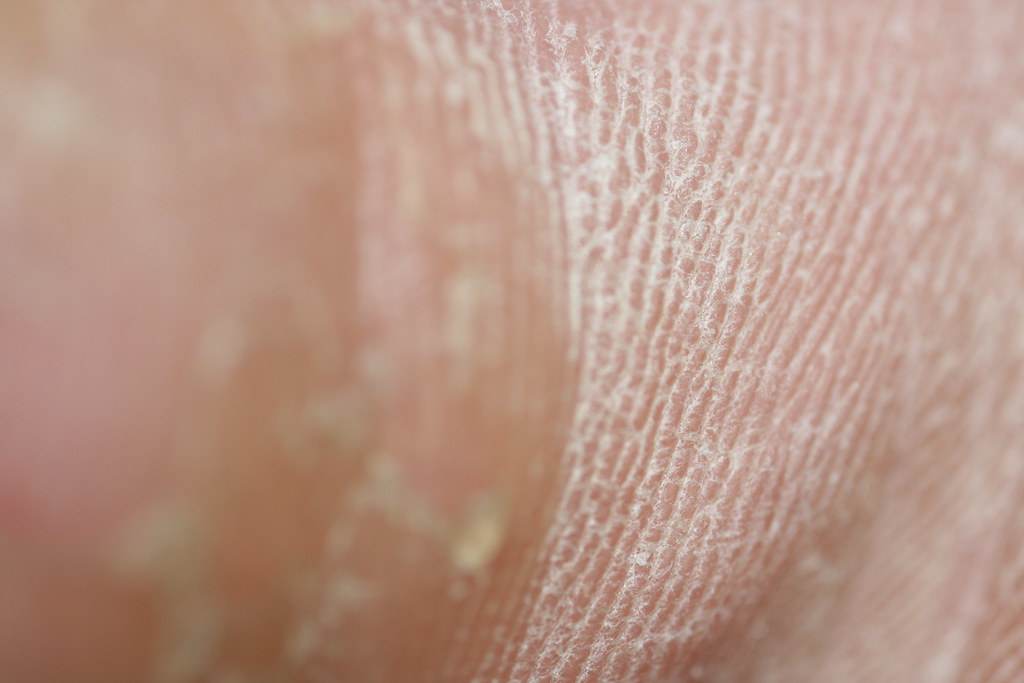
Corns and calluses are pressure problems, but diabetes changes how safely they should be treated. Photo source
The practical search query this article answers is can diabetics use corn plasters. It is for someone with diabetes, or a carer looking after them, who has spotted a painful corn and is wondering whether a shop bought corn plaster is a safe quick fix.
The short answer for diabetes
If you have diabetes, do not use a medicated corn removal plaster unless your GP, diabetes foot team, podiatrist, or another qualified clinician has told you it is safe for your feet. The safer default is to get the corn checked and avoid trying to burn, cut, or dissolve the hard skin at home.
That cautious answer matters because general corn advice is not written for every risk level. The NHS says people with diabetes, heart disease, or circulation problems should not try to treat corns and calluses themselves. Diabetes UK also explains that diabetes can increase the risk of foot problems because changes in feeling and blood flow can make small issues harder to notice early.
The word plaster can sound harmless, but some corn removal products are medicated. A Boots corn removal plaster leaflet on eMC lists salicylic acid as the active ingredient. That kind of treatment is designed to break down hard skin, which is exactly why it needs extra caution on feet that may heal slowly or feel pain less reliably.
Why corn plasters carry extra risk
A corn usually forms because the skin is protecting itself from repeated pressure or friction. Mayo Clinic describes corns and calluses as thickened skin caused by friction or pressure, while Patient.info notes that corns commonly appear on toes and pressure points. If the pressure stays in place, removing the hard skin alone does not solve the reason it came back.
Diabetes changes the risk calculation. NICE diabetic foot guidance treats foot risk as something to assess and stratify, not guess at, because neuropathy, poor blood flow, deformity, previous ulceration, and infection risk can all change what is safe. A plaster that seems minor on a low risk foot may be the wrong choice on a higher risk diabetic foot.
Loss of feeling is one of the biggest practical problems. The NHS explains that peripheral neuropathy can cause numbness, tingling, burning pain, loss of balance, and muscle weakness. The CDC gives the same day to day warning in simpler terms: if you do not feel pain well, you may not notice a cut, blister, sore, or other problem early enough.
Circulation matters too. Peripheral arterial disease can reduce blood supply to the legs and feet, and warning signs can include numbness, weakness, brittle slow growing toenails, ulcers that do not heal, and skin colour changes. If healing is slower, a medicated plaster that irritates surrounding skin can create a problem that is much bigger than the original corn.
What to do instead
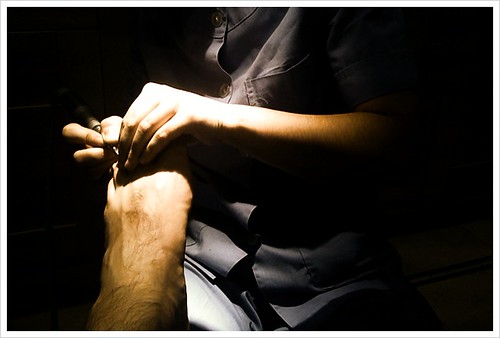
Professional foot care focuses on the corn, the surrounding skin, and the pressure that caused the problem. Photo source
First, stop treating the corn as a product problem and treat it as a pressure problem. DermNet describes corns and calluses as localised hard thickened skin caused by friction and pressure, and MedlinePlus says preventing friction is often the only treatment needed for many people. That means the useful question is not only what removes the corn, but what is pressing on that part of the foot.
Check shoes and socks before buying treatment. Tight toe boxes, seams, pressure from a toe joint, a rubbing sandal strap, or shoes that have become too narrow can keep the corn active. For someone with diabetes, changing the pressure safely is usually wiser than putting acid against the skin and hoping the problem disappears.
Use non medicated cushioning carefully if it is comfortable and does not rub, bunch up, trap moisture, or hide a worsening area. A plain protective pad is different from a medicated corn remover, but even padding should be checked if the person has reduced feeling, swelling, poor circulation, or a history of foot ulcers.
Ask for a foot check if the corn is painful, keeps returning, sits between toes, or appears near broken skin. The APMA tells people with diabetes and carers to examine feet daily and contact a podiatrist if they notice changes. For RMFC patients, that same logic is why a home visit can be helpful when the problem is uncomfortable but travelling to a clinic is difficult.
When to get checked quickly
Do not wait for a routine appointment if there is redness spreading around the corn, swelling, warmth, discharge, bleeding, a bad smell, a new blister, an open sore, black or blue colour change, sudden pain, or pain that feels out of proportion. These are not corn plaster problems. They are signs the foot needs medical assessment.
The NHS type 2 diabetes complications page warns that foot ulcers and infections can become serious, and Cleveland Clinic advises people with diabetes or another condition that increases infection risk to call a healthcare provider for corn or callus treatment. That is a good practical threshold: if diabetes is part of the picture, uncertainty is a reason to ask, not a reason to experiment.
If the person cannot see the sole clearly, cannot reach the foot, or cannot tell whether the skin is intact, get help looking. The CDC recommends checking feet every day and using a mirror or asking a family member if the bottom of the foot is hard to see. That is especially important if a corn is on the ball of the foot, the side of a toe, or between toes.
How a home visit can help
A mobile foot care appointment is useful when the corn is painful but the bigger barrier is practical: reduced mobility, anxiety about travelling, caring responsibilities, poor eyesight, or not being able to bend safely. Health in Aging notes that foot pain can make everyday activities harder for older people, including walking, stairs, preparing meals, and using the toilet.
During a routine home visit, the useful work is not just removing hard skin. It is checking where the pressure is, looking at nearby skin, discussing shoes, spotting whether the area needs GP or NHS input, and explaining what should not be tried at home. That is commercially important for RMFC because people often search for a quick product first, then realise the safer answer is appropriate foot care at home.
If you are in Surrey and the corn is uncomfortable but there is no urgent medical sign, you can ask about home visit foot care. If there is broken skin, infection, sudden colour change, severe pain, or a known high risk diabetic foot history, contact your GP, NHS 111, or your diabetes foot service instead of booking routine care first.
What to ask before buying products
Before buying a corn remover, ask three plain questions. Is it medicated? Does it contain salicylic acid or another chemical that breaks down skin? Has a clinician who knows my diabetes foot risk said this is safe for me? If the answer is no or you are not sure, leave it on the shelf.
Also ask whether the product could hide the problem. A plaster may cover redness, damp skin, bleeding, or a blister. For a person who already finds it hard to inspect their feet, covering the area can delay the moment someone notices that the skin is getting worse.
The safest plan is simple: protect the skin from pressure, do not use medicated corn removal plasters without advice, check the area daily, and get professional help if the corn is painful, recurring, or difficult to see. That gives you a better chance of solving the real cause without turning a small corn into a diabetic foot worry.
Key Takeaways
- People with diabetes should not use medicated corn removal plasters unless a qualified clinician has said it is safe for their feet.
- Corns are usually caused by pressure or friction, so the cause needs checking as well as the hard skin.
- Reduced feeling, poorer circulation, and slower healing can make small skin damage more serious in diabetes.
- Plain cushioning may help pressure, but it should not hide redness, broken skin, moisture, or a worsening area.
- Get medical advice quickly if there is broken skin, infection signs, colour change, severe pain, or a known high risk diabetic foot history.
For diabetes, corn plaster safety is not just a yes or no shopping decision. The safer answer is to avoid medicated corn removal plasters unless your own foot risk has been checked, reduce the pressure that caused the corn, and ask for help early if the skin is painful, changing, or hard to inspect.
Need Professional Foot Care?
Book a home visit and get expert treatment without leaving your house