
Corn Plaster Burn: What to Check
If skin becomes sore after corn plaster use, stop and check the skin before applying anything stronger. Photo source
The practical search query this article answers is corn plaster burn what to do. It is for someone whose foot skin has become sore, white, red, stinging, or broken after using a corn plaster, and for carers who are unsure whether to leave it alone, cover it, use another product, or book foot care. This article belongs to the pillar Corn, callus, cracked heel, and skin discomfort relief.
Why corn plasters can irritate skin
Many medicated corn plasters work by using an acid to soften hard skin. That can be useful for some low risk feet, but it can also irritate healthy skin if the plaster slips, if the corn is small, if the surrounding skin is fragile, or if the area is damp between toes.
APMA warns that some over the counter corn and callus treatments contain harsh chemicals and can cause harm, especially for people with diabetes or other medical conditions. In practical terms, a corn plaster burn is a reason to pause, not to apply a stronger treatment.
This matters commercially for RMFC because people searching for corn plaster burn, corn plaster sore skin, corn removal at home, mobile foot care, podiatrist at home, or chiropodist at home are often at the point where DIY has not worked and safe home visit advice feels urgent.
Check what the skin looks like now
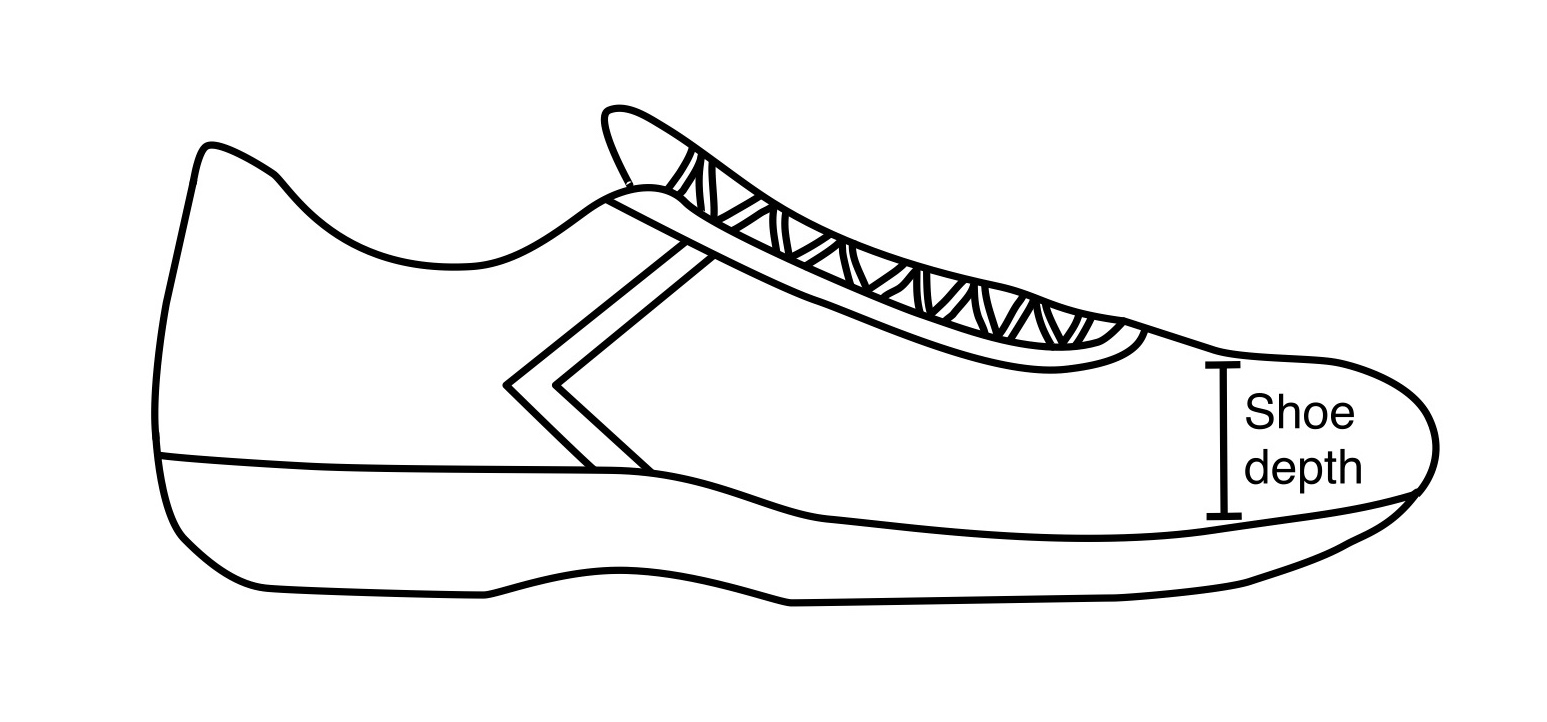
Pressure still matters after a sore plaster reaction, because the original corn often came from rubbing or squeeze. Photo source
Take the plaster off if it is still on and look at the skin in good light. Check whether the area is only mildly pink, whether the skin is white and soggy, whether there is a raw patch, blister, bleeding, discharge, spreading redness, heat, swelling, or severe pain.
The NHS says people with diabetes, circulation problems, weakened immunity, or older people should not try to treat corns and calluses themselves, and should see a GP or foot specialist. That makes risk checking the first step after a sore reaction.
Do not cut away the softened skin. Do not scrape it to see whether the corn has gone. If the skin is raw or broken, the priority is protecting the area and getting the right advice, not finishing the corn treatment.
When to get medical help
Get medical advice promptly if there is broken skin, bleeding, pus, discharge, spreading redness, warmth, swelling, severe pain, feverish symptoms, a bad smell, or any diabetes related concern. A chemical burn or raw patch on the foot can be more than a nuisance if walking keeps rubbing it.
Mayo Clinic advises seeking care if a corn or callus becomes very painful or inflamed, and says people with diabetes or poor blood flow should seek medical care before self treating. That is why pain and inflammation should change the plan.
If the person has diabetes, reduced feeling, poor circulation, fragile skin, previous ulcers, or takes medicines that affect bleeding, do not wait to see whether it settles after more DIY treatment.
Why diabetes changes the answer
Diabetes can make small skin injuries harder to notice and slower to heal. A corn plaster reaction may be missed until the skin is already raw, especially if feeling in the feet is reduced.
Diabetes UK explains that nerve damage can reduce feeling and that reduced blood supply can make cuts and sores heal less well. If a plaster has made skin sore or broken, diabetes makes early advice safer.
The safest rule is simple. If diabetes or reduced feeling is involved, do not use medicated corn plasters, blades, razors, or strong acid products without suitable clinical advice.
What to avoid next
Avoid another corn plaster on the same area. Avoid acid liquids, strong callus removers, blades, scissors, razors, pumice over raw skin, and tight padding that presses harder on the sore patch. If it stings, burns, bleeds, or looks wet, stop.
Cleveland Clinic lists shoes that do not fit properly, repeated standing or walking, socks or linings that bunch, and changes in foot shape as causes of corns and calluses. If pressure caused the corn, pressure still needs dealing with after the skin calms.
Use a clean sock and footwear that does not rub while you arrange advice. If a dressing is needed, choose one that does not stick to sore skin and do not make the area sweaty or compressed.
Why the corn may keep coming back
A plaster may soften the corn but not remove the reason it formed. The same narrow shoe, toe squeeze, seam, foot shape, or walking pressure can recreate the problem once the skin has recovered.
Patient.info describes corns and calluses as painful thickened areas caused by pressure or rubbing. That means the cause is usually mechanical as well as skin deep.
The better question is not only how to fix the reaction today. It is what was pressing, rubbing, or squeezing before the plaster was used.
Where home visit foot care fits
A home visit can help when the skin has settled enough for routine foot care and the main problem is a recurring corn, hard skin, footwear pressure, or difficulty reaching the feet. It can also help carers understand whether routine care is suitable or medical advice should come first.
The Royal College of Podiatry notes that ageing feet can become more fragile and painful, and that foot pain can affect mobility. For older adults, safe skin care supports walking and confidence, not just appearance.
Age UK says foot care in later life can relieve pain and reduce infection and falls risk, and that some services may be accessed at home if someone is housebound. That supports getting practical help when feet are hard to manage safely.
Key Takeaways
- A sore reaction after a corn plaster means stop and check the skin before using more treatment.
- Broken skin, discharge, spreading redness, heat, swelling, severe pain, diabetes, poor circulation, or reduced feeling should trigger medical advice.
- Do not cut, scrape, file, or apply more acid to raw or irritated skin.
- The corn may return unless the pressure from shoes, socks, toe position, or walking pattern is addressed.
A corn plaster burn should be treated as a safety signal. Remove the product, check the skin, avoid stronger DIY, and get medical advice if there are risk factors or warning signs. Once the skin is safe, the longer term answer is to understand the pressure that caused the corn and arrange the right level of foot care before the problem becomes a repeated cycle.
Need Professional Foot Care?
Book a home visit and get expert treatment without leaving your house