
Corn Pads Not Working: What to Check Next
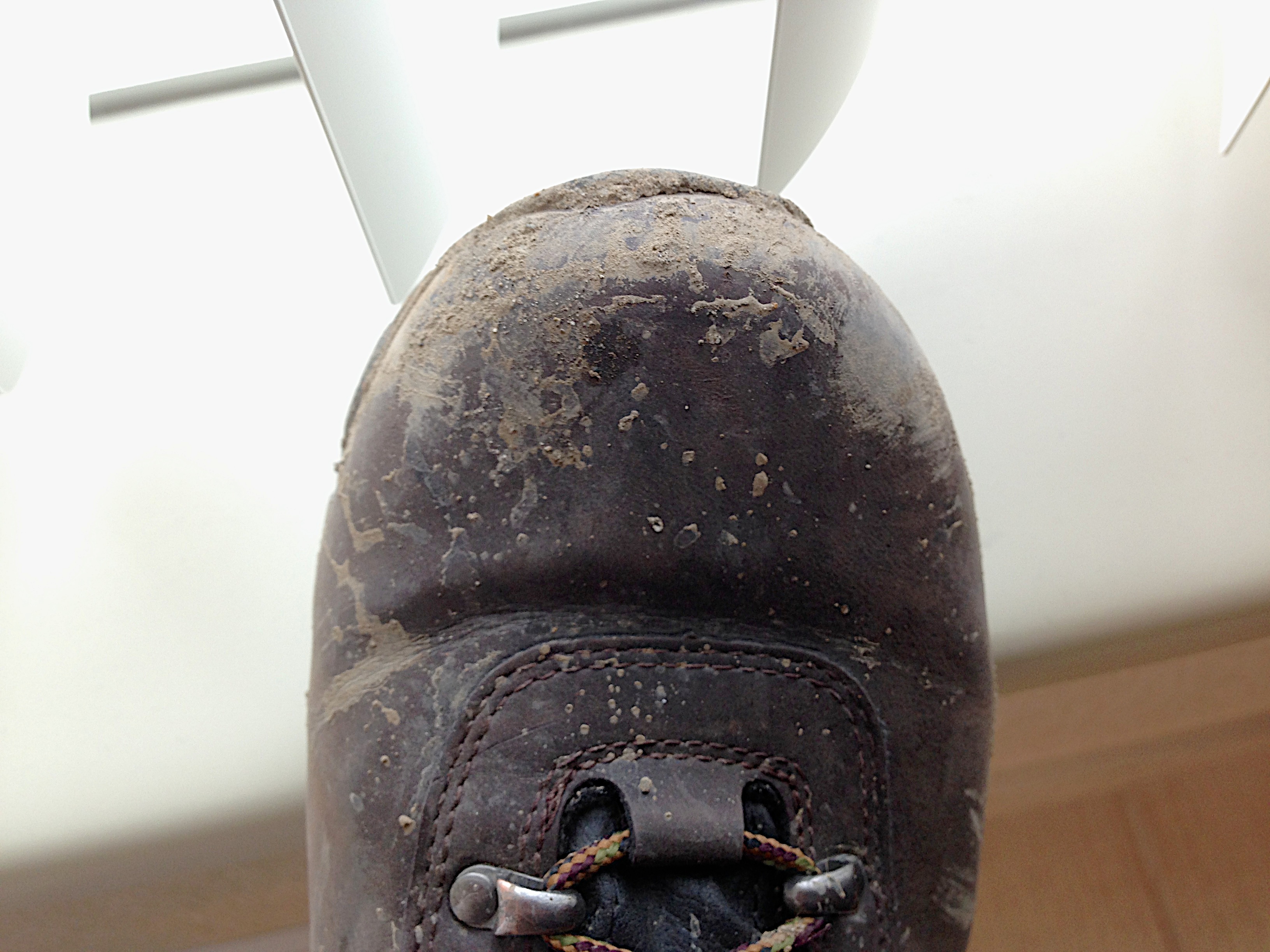
When a corn pad is not helping, the pressure from shoes, walking, and toe position usually needs checking as well as the corn itself. Photo source
The practical search query this article answers is corn pads not working. It is for someone whose corn is still painful after using a pad, plaster, cushion, or pharmacy product, or for a family member who is worried that the foot looks sore. This article belongs to the pillar Corn, callus, cracked heel, and skin discomfort relief.
First check whether the pad is only hiding pressure
A corn usually forms because one small area of skin is taking repeated pressure or rubbing. A pad may cushion that area for a while, but it will not always solve the pressure that caused the corn. If the same shoe, toe position, hard skin, or walking pattern keeps pressing on the spot, the pain can carry on.
The useful next step is to ask what the pad is doing. Is it reducing rubbing, or has it slipped and started pressing directly on the sore point? Is the painful area still under the edge of the pad? Is the shoe now tighter because the pad has added bulk?
Corns and calluses are described as hard skin linked with pressure and friction, and the NHS advises wide supportive shoes, cushioning, soft insoles, and avoiding cutting corns yourself. If there is no improvement after treating a corn or callus yourself, or if pain is severe, medical advice is recommended.
Stop if the skin looks damaged or more painful
A corn pad should not leave the foot looking raw, blistered, white, weeping, bleeding, or more painful. If the area looks damaged, stop using the product and avoid adding stronger treatments on top of irritated skin.
This is especially important with medicated corn plasters. The Royal College of Podiatry warns that corn plasters can contain acids that burn healthy skin around the corn, and says people with diabetes, poor circulation, or a reduced immune system should seek professional advice rather than self treating. That makes worsening soreness after a corn plaster a reason to pause, not a reason to apply another one.
If the foot is red, hot, swollen, producing pus or discharge, or the pain is stopping normal activity, use clinical advice before routine foot care. The safer decision is to check early rather than waiting for a small sore area to become harder to manage.
Look for the pressure point that keeps feeding the corn
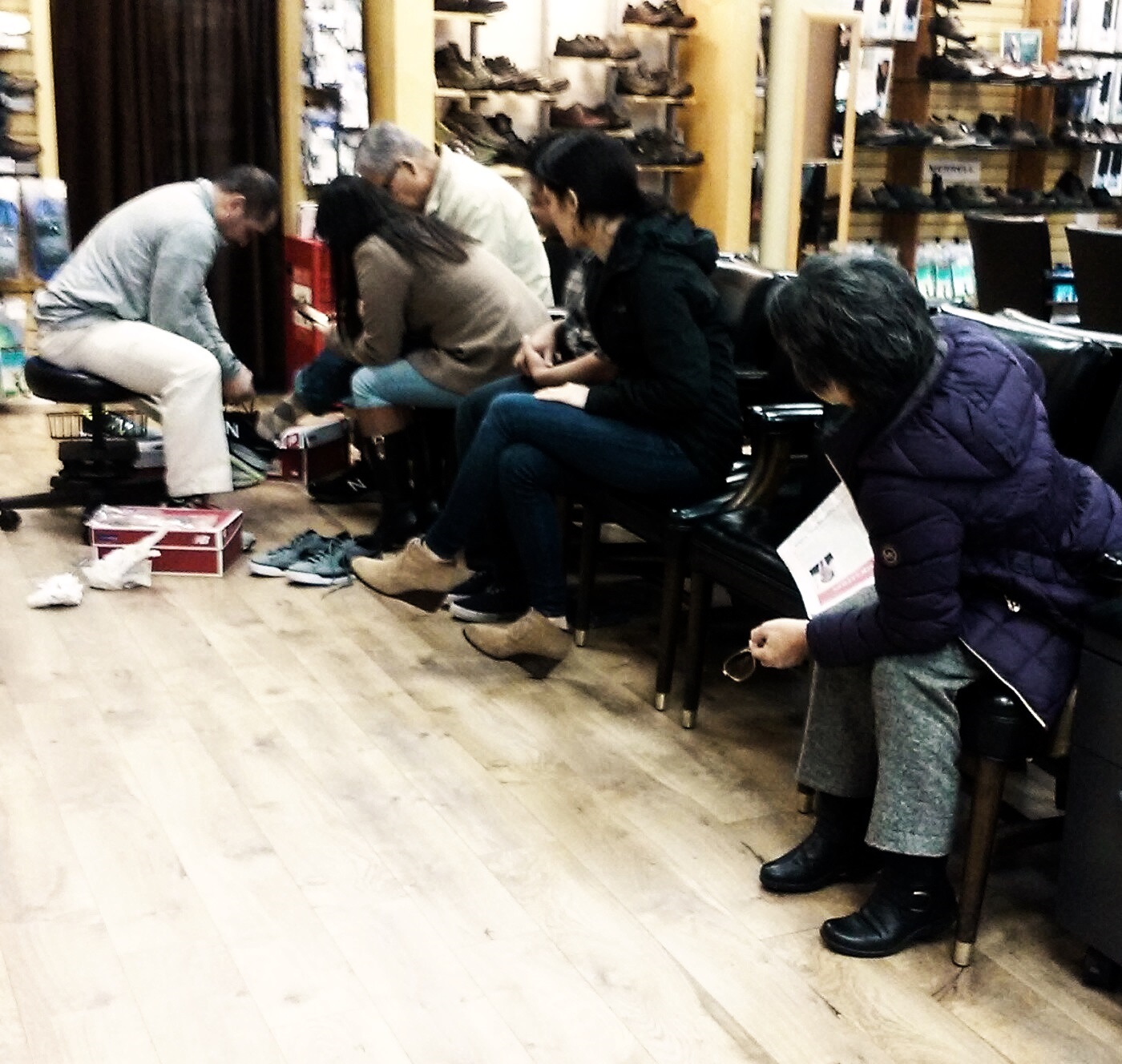
Footwear fit can change whether a corn pad cushions the area or adds more pressure inside the shoe. Photo source
A corn can feel like a small stone under the skin because the hard centre presses into a tender point. The pad may reduce pain for a few hours, but the corn often returns if the mechanical cause is still there.
Professional dermatology guidance describes inappropriate shoes, abnormal foot mechanics, activity, prominent joints, soft corns between toes, and pressure over bony areas as common factors. In plain terms, the pressure pattern matters as much as the hard skin.
Check the inside of the shoe with your hand. Feel for seams, rough linings, grit, worn insoles, tight toe boxes, or areas that press exactly where the corn hurts. Then check whether the toes are squeezed together or rubbing each other when the shoe is on.
Be more cautious with diabetes, poor circulation, or older skin
If you have diabetes, reduced feeling, poor circulation, a weakened immune system, or fragile older skin, do not treat a painful corn as a simple product problem. Reduced feeling can mean the skin is being damaged before the pain gives a clear warning.
Diabetes UK includes a clear foot care step that says not to use blades or corn plasters, and advises people to get expert advice. For someone with diabetes, corn plaster use belongs in the higher caution category, especially if the foot is sore or numb.
NICE explains that diabetes foot checks include skin colour, hard skin, signs of inflammation or infection, feeling, pulses, footwear, and pressure risk. So if a corn pad is not working for someone with diabetes, the whole foot needs checking rather than only the corn.
Check whether the product is the wrong type for the problem
Some pads are simple cushions. Some plasters are medicated. Some products aim to soften skin. The label matters because a medicated product can be a poor choice if the skin is fragile, the corn is between toes, the pad is slipping, or the person should not be self treating.
Consumer treatment guides often describe pads, salicylic acid, soaking, filing, and footwear changes, but they also show why one product cannot fit every foot. A painful corn is not only a patch of hard skin. It is often a pressure problem sitting inside a shoe, around a joint, or between toes.
The practical rule is simple: if the pad makes walking easier and the skin stays calm, it may be giving useful short term cushioning. If it increases soreness, changes the skin, slips, bunches, or fails after repeated tries, stop treating it as the answer.
Do not cut the corn out at home
When pads are not solving corn pain, professional foot care may be safer than repeated self treatment. Photo source
It can be tempting to cut at a painful corn when pads are not working. That is risky, especially if eyesight, flexibility, hand strength, sensation, or circulation is reduced. Cutting can break the skin and create a wound where there was previously only hard skin.
Mayo Clinic describes corns and calluses as thickened skin caused by friction or pressure and advises medical care before self treating if diabetes or poor blood flow is present. The important point is that even a minor foot injury can matter more when risk factors are present.
If you want to reduce discomfort while waiting for advice, choose safer pressure reduction first: roomier footwear, clean dry socks, avoiding long walks on the sore foot, and checking that any non medicated cushion is not pressing on the corn.
When a home visit can make sense
A home visit can help when walking to a clinic is difficult, shoes are painful, the person cannot reach their feet safely, or a family member is worried about cutting, filing, or choosing the wrong product. For RMFC, this is commercially important because the search often sits close to corn removal at home, mobile foot care, home visit foot care, chiropodist at home, podiatrist at home, and foot care for older adults in Surrey.
Age UK notes that foot care services for older people may be available in clinics, day centres, or at home for people who are housebound, and that some people need a more specialised service. That supports a practical point: access to foot care is part of the problem when painful feet make travel harder.
Rithik's Mobile Foot Care can help with practical home visit foot care where the issue is suitable for routine foot care, including corn and callus discomfort. If there are infection signs, severe or sudden pain, diabetes related concern, or a wound, seek medical advice first rather than waiting for a routine appointment.
A simple next step checklist
Take the pad off and look at the skin in good light. Check for redness, whiteness, broken skin, blistering, discharge, bleeding, swelling, heat, or increased tenderness.
Put the shoe on without the pad and notice where it presses. Then check whether a non medicated cushion would reduce rubbing or whether any extra thickness makes the shoe tighter. If the pad cannot sit around the sore point without pressing on it, it is probably not helping.
If the corn has not improved, keeps coming back, or hurts enough to affect walking, get the pressure and hard skin checked. If you have diabetes, poor circulation, reduced feeling, a weakened immune system, or older fragile skin, ask for advice sooner.
Key Takeaways
- Corn pads can reduce rubbing, but they do not always fix the pressure causing the corn.
- Stop using a pad or plaster if the skin becomes raw, blistered, white, bleeding, weeping, or more painful.
- Diabetes, poor circulation, reduced feeling, immune problems, and older fragile skin mean self treatment is riskier.
- Do not cut a corn out at home. Check footwear pressure and seek professional advice if pain continues.
- Home visit foot care can help when painful feet, reduced mobility, or carer concerns make clinic travel difficult.
When corn pads are not working, the answer is rarely to keep adding stronger products. Check the skin, stop anything that is making soreness worse, look for the pressure source, and get advice if pain continues or risk factors are present. If the problem is suitable for routine foot care and travelling is difficult, RMFC can provide calm corn and callus support at home in Surrey.
Need Professional Foot Care?
Book a home visit and get expert treatment without leaving your house