
Corn or Callus: Why Walking Hurts
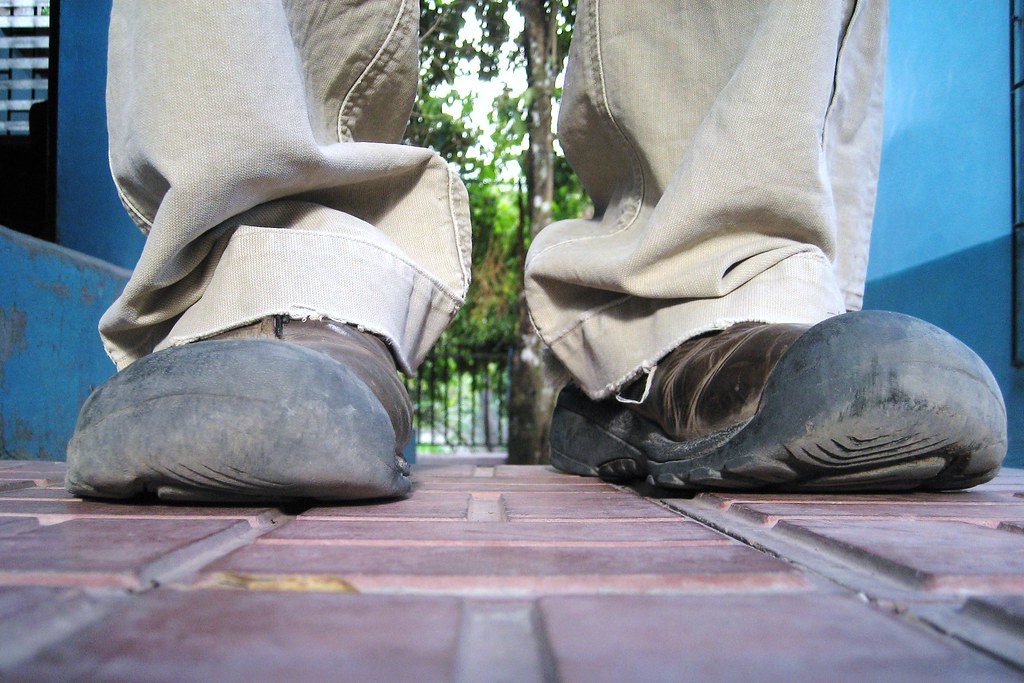
Pain from a corn or callus usually starts with pressure, friction, footwear, or a change in how weight passes through the foot. Photo source
The practical search query this article answers is corn or callus pain when walking. It is for someone who has a painful hard patch on the foot, or for a carer or family member who has noticed an older adult limping, avoiding shoes, or trying to cut hard skin at home. This article belongs to the pillar Corn, callus, cracked heel, and skin discomfort relief because the core problem is pressure pain, safe relief, and knowing when home visit foot care is the better next step.
Why painful hard skin hurts when you walk
A corn or callus is not just dry skin. It is usually the skin's response to pressure or friction. The painful part often appears where a shoe rubs, where one toe presses against another, or where body weight repeatedly passes through the same small area.
NHS guidance describes corns as small lumps of hard skin and calluses as larger patches of rough, thick skin, both of which can be tender or painful. It also says not to cut them off yourself and to get advice if there is diabetes, heart disease, circulation trouble, bleeding, pus, or severe pain. That is why painful hard skin needs a safety check before home treatment.
This matters commercially for RMFC because searches around painful corn, painful callus, corn removal at home, callus removal home visit, mobile foot care, chiropodist at home, and foot care at home often come from people who have moved beyond casual browsing. The searcher wants relief, but also wants to avoid making the foot worse.
Corn or callus, what is the practical difference
A corn is usually smaller, more focused, and can feel like a hard plug or pebble pressing into the skin. A callus is usually broader and flatter, often across a weight bearing area such as the ball of the foot or heel. In real life, the difference is not always obvious from a quick look.
Mayo Clinic explains that corns are often smaller and deeper than calluses and may be painful when pressed, while calluses tend to develop on pressure spots such as heels and the balls of the feet. For a patient or carer, location and pressure pattern can give useful clues, but it is still sensible not to dig or cut at it.
MedlinePlus gives a simple cause that matches everyday experience: corns and calluses are caused by pressure or friction, often where bony parts of the foot rub against shoes. It warns not to shave them off because of infection risk. In practical terms, removing pressure is safer than removing skin by force.
When walking pain is the real warning sign
Pain when walking means the problem is already affecting function. The person may shorten their stride, avoid certain shoes, turn the foot outward, walk less, or stop going out because the pressure hurts. That matters even if the hard skin itself looks small.
Foot pain in later life can make daily tasks harder. Geriatric health guidance notes that foot pain can affect walking, stairs, getting out of a chair, preparing meals, using the toilet, balance, and falls. So when an older adult says a corn or callus hurts, the impact on mobility deserves attention, not just a quick file in the bathroom.
Tight shoes are a common trigger. Cleveland Clinic notes that shoes that are too tight can contribute to corns and calluses, and that people with diabetes or infection risk should contact a healthcare provider for treatment. If pain is linked to footwear, changing the pressure source is part of the solution.
What not to do at home
Do not cut, shave, slice, dig, or pull hard skin at home. Do not use craft blades, kitchen scissors, razors, strong chemical products, or medicated corn plasters on fragile, diabetic, numb, bleeding, cracked, or infected looking skin. A small nick can become a bigger problem if the foot is higher risk.
For older adults, the setup is part of the risk. Cutting hard skin while balancing on a bath edge, twisting on a bed, or bending with poor eyesight can cause injury or a fall. Age UK says foot care in later life can reduce pain, infection risk, and falls risk, and that help may be available at home for people who are housebound. That supports the idea that getting practical foot care support is normal in later life.
If you are caring for someone else, pause before trying to be helpful with sharp tools. Carers UK recognises that arranging care and support for someone can be difficult when needs change. A painful corn or callus is one of those small practical changes where the safer role may be organising help rather than doing the treatment yourself.
Why diabetes, numbness, or poor circulation changes the answer
If the person has diabetes, reduced feeling, poor circulation, previous ulcers, kidney disease, immune suppression, fragile skin, or a wound, the threshold for professional advice is lower. A corn or callus may be a pressure warning, and the person may not feel early skin damage clearly.
Diabetes UK explains that diabetes can damage nerves and blood vessels in the feet, which can mean loss of feeling, slower healing, wounds, infection risk, and walking becoming more difficult. That is why hard skin in diabetes should not be treated casually.
The CDC gives a practical daily check rule for diabetes: look for cuts, redness, swelling, sores, blisters, corns, calluses, and nail changes, and ask someone to help if you cannot see the bottom of your feet. That makes not being able to see or feel the foot properly a safety issue, not just an inconvenience.
NIDDK also explains that nerve damage can mean a person may not feel a pebble, blister, cut, or sore, which can then become more serious. For corn and callus pain, reduced feeling means the foot needs a more cautious check before anyone files or cuts.
What can help while you arrange proper care
If there are no urgent warning signs, reduce pressure while arranging foot care. Choose wider shoes with a soft upper, avoid tight seams over the sore area, wear clean cushioned socks, avoid long walks that make the pain worse, and keep the skin clean and dry. Do not go barefoot if balance, sensation, or skin quality is poor.
A soft non-medicated pad or insole may help reduce rubbing, but it should not make the shoe tighter. If padding changes how the foot sits in the shoe, it can move pressure somewhere else. Check the skin after wearing any pad, especially between the toes and over bony areas.
Also think about falls. RoSPA older people safety advice is a useful reminder that home safety matters, so avoid awkward foot care positions and clear trip hazards while walking is painful or uneven.
When a home visit makes sense
A home visit makes sense when the problem is painful but looks routine enough for foot care, and the person cannot comfortably travel, bend, see, reach, or manage the pressure area safely. It is also useful when the family needs a calm assessment of whether the hard skin is likely to be a corn, callus, pressure mark, or something that needs different medical input.
RMFC can help with mobile foot care in Surrey, including careful corn and callus reduction where appropriate, routine nail care, pressure observations, footwear guidance, and advice on when to seek GP or specialist support. The point is not to promise instant cure. It is to reduce painful pressure safely and plan how to stop it returning as quickly.
Book help promptly if the hard skin is bleeding, weeping, very painful, red, hot, swollen, spreading, or if there is diabetes, poor circulation, reduced feeling, a wound, or a history of ulcers. In those cases, medical advice may need to come before routine foot care.
What to tell the practitioner before a visit
Before a home visit, say where the pain is, when it hurts, which shoes make it worse, whether the person has diabetes or circulation problems, whether they can feel the area normally, and whether there has been bleeding, discharge, swelling, sudden colour change, or a wound. Also mention recent falls, blood thinner use, and whether the person can sit comfortably with both feet supported.
Those details help the practitioner decide whether the appointment is routine foot care, a higher caution visit, or a situation where medical input should come first. For families, sharing this information early also makes the visit calmer because everyone understands the purpose: safer relief, less walking pain, and fewer risky attempts at cutting hard skin at home.
Key Takeaways
- A corn is usually smaller and more focused, while a callus is usually broader, but both can hurt when pressure builds.
- Do not cut, shave, dig, or use sharp tools on painful hard skin at home.
- Diabetes, numbness, poor circulation, wounds, bleeding, or infection signs should lower the threshold for professional advice.
- Walking pain matters because it can affect balance, shoes, confidence, and daily activity.
- Home visit foot care can help when painful hard skin needs safe reduction and clinic travel or DIY care is difficult.
Corn or callus pain is usually a pressure problem first. The safest answer is not to attack the hard skin, but to understand what is pressing, check for warning signs, and decide whether self care is still sensible. If the foot is low risk and the pain is mild, footwear changes and gentle care may help. If pain is affecting walking, the person is older, mobility is limited, or there is diabetes, numbness, poor circulation, wounds, bleeding, or infection concern, home visit foot care or medical advice is the safer next step.
Need Professional Foot Care?
Book a home visit and get expert treatment without leaving your house