
Corn From Tight Shoes: What Helps
A painful corn often starts with repeated shoe pressure, not just hard skin. Photo source
The practical search query this article answers is corn from tight shoes what helps. It is for an older adult, carer, or family member who can see a sore hard spot after shoe pressure and wants to know what is safe to try, when to stop, and when home visit foot care may help. This article belongs to the pillar Corn, callus, cracked heel, and skin discomfort relief.
Why tight shoes cause corns
A corn caused by tight shoes is not just a patch of hard skin. It is usually a pressure problem. The skin thickens because the toe, joint, or side of the foot is being rubbed or squeezed again and again. The NHS describes corns as small lumps of hard skin, calluses as larger rough patches, and says corns can be tender or painful.
A useful way to think about it is this: the corn is the result, not the original cause. If the shoe still rubs in the same place tomorrow, the pressure remains. That is why changing footwear, padding, or pressure points matters as much as reducing the hard skin.
Corns often hurt more in shoes than barefoot because the shoe presses the hard centre back into sensitive skin. APMA explains that corns often occur where a toe rubs against the inside of a shoe and that repeated pressure and irritation can make them painful.
What you can safely check at home
Look at where the painful spot sits. A corn on top of a toe often points to shoe pressure over a toe joint. A corn between toes can come from toes squeezing together. A painful area under the ball of the foot may be more like callus from weight bearing or footwear pressure. The exact position helps explain what needs to change.
If the skin is intact and the person does not have diabetes, poor circulation, reduced feeling, a weakened immune system, or a wound, gentle home steps may help. The NHS advises wide, well fitting supportive shoes, cushioned socks, soft insoles or pads, warm water soaking, moisturising, and careful use of a pumice stone or foot file. It also says not to cut off corns or calluses yourself.
Do not use blades, knives, razors, or strong digging at home. Harvard Health describes corns and calluses as skin thickening caused by prolonged rubbing, pressure, and irritation, and notes that corns can cause pain or difficulty walking. If the problem is pressure, repeated pressure is the thing most likely to keep it going.
When corn plasters and DIY treatment are risky
Corn plasters can look like a simple fix, but they are not right for everyone. Some contain acid based treatments that can damage healthy skin if they slip, are used for too long, or are used when the foot is already vulnerable.
Diabetes UK advises people with diabetes to check their feet, cut nails carefully, make sure footwear fits, and avoid blades or corn plasters. In plain terms, diabetes should lower the threshold for getting help because reduced feeling can make feet harder to look after safely.
This is also important if the person is older, has poor circulation, has numb feet, takes medication that affects healing or bleeding, or cannot inspect the skin properly. The safer question is not “can we remove it today?” It is “is this foot safe for self treatment?”
Footwear changes that usually matter most
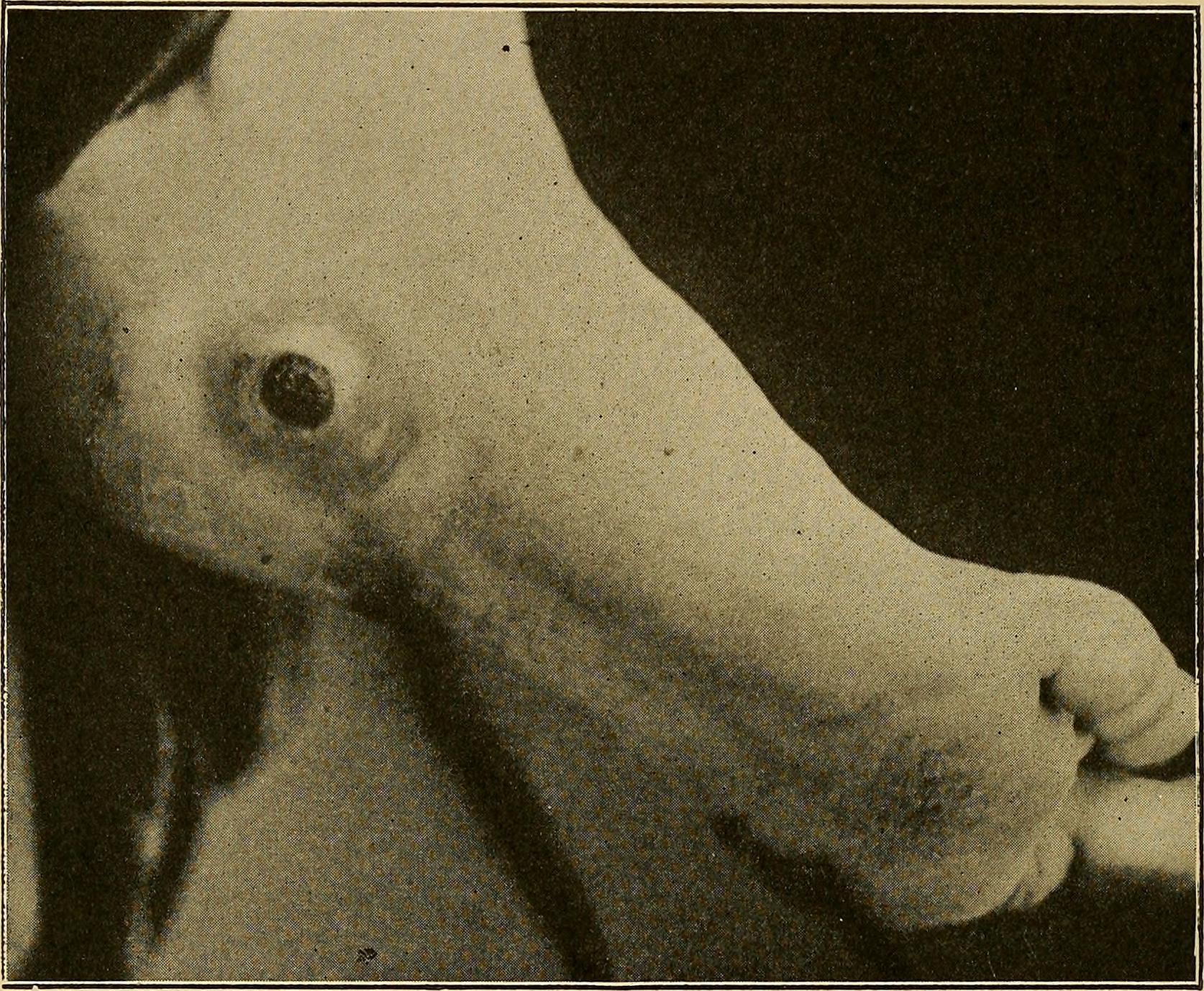
Good corn care asks why the same small area keeps taking pressure. Photo source
Start with the shoes worn most often, not the special pair kept for appointments. Check whether the toe box is wide and deep enough, whether the upper rubs across the toe joints, whether seams sit over the painful spot, and whether slippers are loose enough to make the foot slide and rub.
Mayo Clinic explains that, for many healthy people, simply removing the source of friction or pressure can make corns and calluses improve. In real life, removing that pressure may mean changing the shoe, adding cushioning, choosing a lower heel, or making more room around the toes.
A shoe can be the right length and still be wrong for the foot. Older feet may change shape because of arthritis, bunions, swelling, toe changes, or reduced padding under the foot. Cleveland Clinic lists poorly fitting shoes, slipping socks or linings, long periods of standing, and foot structure changes as possible contributors, so the everyday footwear pattern is worth checking.
Signs the corn needs professional help
Get help if pain is severe, stopping normal activities, not improving, bleeding, leaking fluid, surrounded by spreading redness, hot, swollen, or linked to a wound. The NHS advises extra caution where diabetes, circulation problems, a weakened immune system, severe pain, bleeding, pus, or discharge are present.
A foot specialist can reduce thickened skin more safely and look for the pressure pattern behind it. The MSD Manual notes that corns and calluses are usually caused by friction and pressure, and that regular care from a podiatrist can help when treatment is needed.
If there is diabetes, reduced feeling, poor circulation, infection concern, or a wound, routine corn care should wait until the right medical advice is in place. Better Health also links common foot problems with footwear fit and advises people with diabetes to check their feet daily and have them assessed, which reinforces that higher risk feet need a more careful route.
How home visit foot care can help in Surrey
Home visit foot care can be useful when the corn looks stable but walking, shoes, bending, eyesight, or travel makes self care difficult. RMFC can assess the painful area, reduce hard skin where appropriate, check the surrounding skin, and talk through footwear pressure in the setting where the person actually walks and wears shoes.
That home context matters. The shoes, slippers, walking route, chair height, and daily routine are all part of the story. If a painful corn is stopping someone from walking comfortably around the house, avoiding outings, or worrying a carer, a mobile foot care visit can turn a vague problem into a clearer plan.
If the foot looks medically unwell, the right next step may be GP, urgent care, diabetes foot protection, or podiatry input before routine treatment. If the issue is a stable corn from shoe pressure, RMFC can help with practical foot care at home across Surrey.
Key Takeaways
- A corn from tight shoes is usually a pressure problem, so the shoe or rubbing point needs attention.
- Do not cut corns yourself, especially if the person is older, diabetic, has poor circulation, reduced feeling, or cannot inspect the skin well.
- Wider, deeper, softer footwear and cushioning can reduce repeated pressure.
- Severe pain, bleeding, discharge, spreading redness, swelling, wounds, diabetes, or poor circulation should be checked before routine treatment.
- Home visit foot care can help when the corn is stable but travel, bending, eyesight, or mobility makes self care difficult.
A painful corn from tight shoes is frustrating because the hard skin is visible, but the pressure behind it is often the real problem. Check the shoes, avoid risky cutting, look for warning signs, and get help early if pain is affecting walking. When the problem is suitable for routine care, RMFC can help reduce discomfort and make the next steps clearer at home.
Need Professional Foot Care?
Book a home visit and get expert treatment without leaving your house