
Corn Between Toes: What Helps the Pain
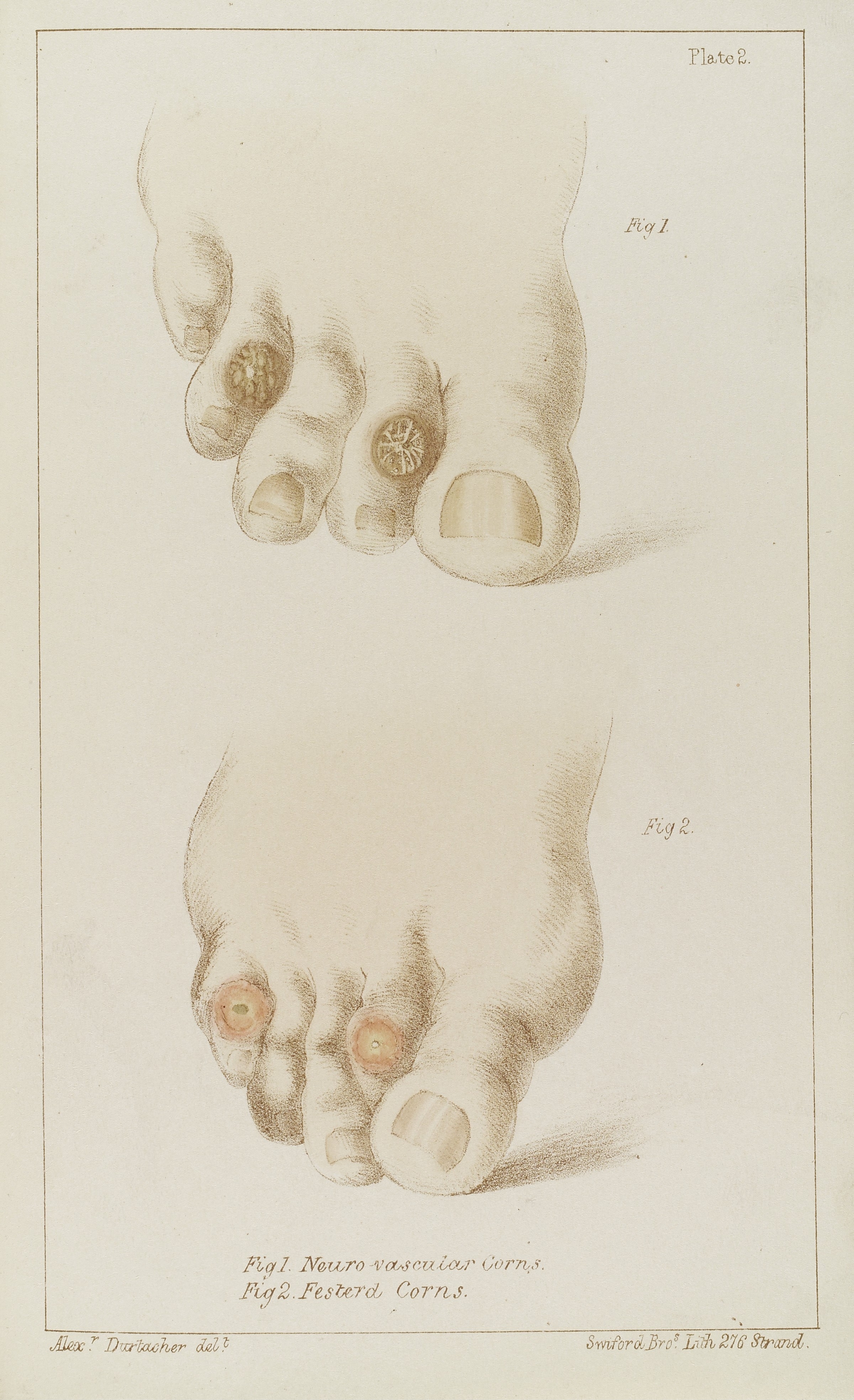
A small corn can cause focused pain when pressure keeps returning. Photo source
The practical search query this article answers is corn between toes hurts when walking. It is for someone who feels a sore spot between two toes, notices whitening or thick skin, struggles with shoe pressure, or is helping an older relative who cannot safely see or reach the area.
Why corns between toes hurt
A corn is not just extra skin. It is usually the skin's response to repeated pressure or rubbing. The NHS explains that corns and calluses are hard or thick areas of skin that can be tender or painful, and that they often appear on the feet and toes. Between the toes, that pressure can feel sharper because the skin is squeezed from both sides when shoes, toe shape, or walking pattern keep the toes rubbing together.
The Royal College of Podiatry describes soft corns as whitish, rubbery corns that appear between the toes where moisture collects. That explains why a corn between toes can feel different from hard skin on the sole. It may be sore, damp, rubbed, and difficult to see clearly, especially for someone with reduced mobility.
First check what is pressing on the toe
Toe crowding and shoe pressure can keep a corn between toes coming back. Photo source
Before trying to treat the corn, look for the pressure source. Tight shoes, narrow toe boxes, thick seams, curled toes, overlapping toes, and swollen feet can all keep two toes rubbing. The American Podiatric Medical Association notes that repeated rubbing or excess pressure is what causes corns and calluses to develop, so removing pressure is not a side issue. It is part of the treatment.
A practical first step is to check the shoe shape against the toes. If the toes are squeezed together before the person even stands up, the corn is likely to keep returning. Mayo Clinic also describes corns as smaller and deeper than calluses, and notes that soft corns tend to form between toes. That is why a small sore spot can feel out of proportion to how it looks.
What you can safely try at home
If the skin is intact, pain is mild, and there is no diabetes, poor circulation, broken skin, pus, bleeding, or severe swelling, the safest home steps are gentle pressure relief rather than cutting. Wear wider shoes if possible, keep the area clean and dry, use clean socks, and consider a simple non-medicated toe spacer or padding that does not rub or trap moisture.
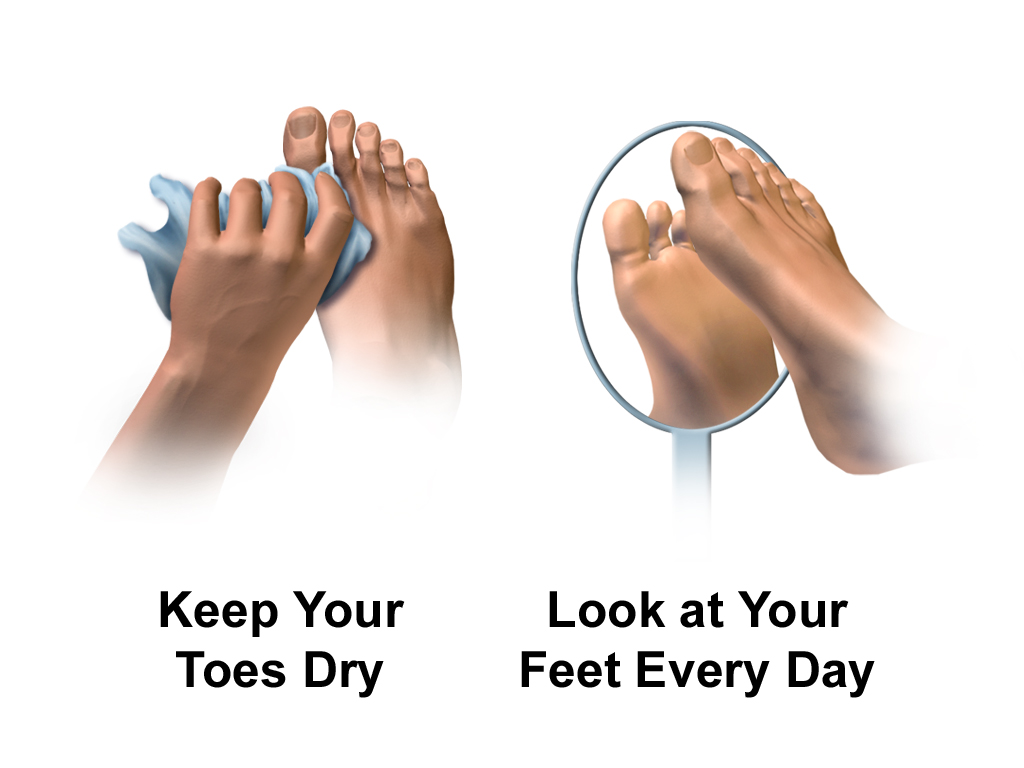
The NHS suggests cushioned socks, wide comfortable shoes, soft insoles or pads, warm water to soften hard skin, careful filing, and moisturising for corns and calluses generally. For a corn between toes, be more cautious with moisture because soft corns already sit in a damp area. Drying gently between the toes matters.
Avoid cutting the corn out yourself. Avoid blades, sharp scissors, strong acids, and corn plasters unless a suitable professional has said they are safe for you. Cleveland Clinic warns that people with diabetes or conditions that raise infection risk should contact a healthcare provider for treatment rather than self treating.
When not to self treat
A between-toe corn needs a clear skin check before anyone tries home care. Photo source
Do not self treat a corn between toes if there is broken skin, bleeding, pus, discharge, spreading redness, warmth, swelling, severe pain, a bad smell, a sudden colour change, or the pain is stopping normal walking. The NHS advises seeing a GP if a corn or callus bleeds, has pus or discharge, has not improved after home treatment, or causes severe pain or normal activity problems.
Diabetes changes the threshold. Diabetes UK explains that diabetes can damage nerves and blood supply in the feet, which can make injuries harder to notice and slower to heal. NIDDK gives the same practical warning: reduced feeling and reduced blood flow can allow small sores to become infected. If someone has diabetes and a sore area between toes, do not cut, scrape, or use acid treatments at home.
Reduced feeling matters because pain is not always a reliable guide. NIDDK explains that nerve damage can mean you do not feel a pebble, blister, cut, or sore properly. For a hidden corn between toes, a careful daily foot check is safer than guessing from pain alone.
Why older adults and carers get stuck with this problem
Corns between toes are awkward because the painful area is small, hidden, and often hard to dry or inspect. An older adult may not be able to bend far enough to see it. A family carer may see the sore patch but feel unsure whether to pad it, file it, leave it alone, or book help.
Age UK notes that foot care services can help older people who are unable to look after their feet, and that foot care may reduce pain, infection risk, and falls risk. That matters because a sore corn can change how someone walks, whether they avoid shoes, or whether they feel steady moving around the home.
Foot and ankle pain can also affect confidence with everyday movement. Versus Arthritis gives practical context on how foot pain can affect walking and daily activities, which is why persistent pain under or between the toes should not be dismissed as cosmetic.
When home visit foot care helps
Home visit foot care can help when the corn looks like a routine pressure problem but the person cannot safely manage it alone or cannot easily travel to a clinic. That might include an older adult with poor reach, a carer who is worried about cutting skin, someone with reduced mobility, or a patient whose shoes are painful but who needs the corn checked before changing footwear.
A foot care appointment can reduce hard skin where appropriate, check obvious pressure points, advise on safer padding, and explain when a problem needs GP, NHS podiatry, or urgent medical input instead. The Royal College of Podiatry notes that podiatrists can reduce corns and use padding or insoles to relieve pressure. For home visit searches such as mobile foot care, chiropodist at home, podiatrist at home, and corn removal at home, the underlying need is usually practical relief without making travel the biggest barrier.
Some patient guidance outside the UK also makes the same pressure and risk pattern clear: Better Health Victoria describes corns and calluses as caused by pressure or friction, and Healthdirect Australia advises medical review when pain persists or when circulation or diabetes risk is present. The useful point for families is simple: pressure needs reducing, and risk needs checking.
For RMFC patients in Surrey, a home visit enquiry may be sensible when a corn between toes is painful, recurrent, difficult to see, or hard to manage safely at home. If there are warning signs, medical advice comes first.
Key Takeaways
- A corn between toes usually comes from repeated pressure, rubbing, moisture, or toe crowding.
- Soft corns between toes can be sore even when they look small.
- Start by reducing pressure and keeping the area clean and dry.
- Do not cut it out yourself, especially if the skin is broken or the person has diabetes or poor circulation.
- Home visit foot care can help when the problem is routine but self care or clinic travel is difficult.
A corn between toes is small, but it can make every step uncomfortable. The safest approach is to find the pressure source, avoid sharp or acid based self treatment, watch for warning signs, and get help when pain, risk, or mobility makes home care uncertain. If the main barrier is seeing, reaching, or travelling, home visit foot care can turn a painful hidden problem into a calmer, safer plan.
Need Professional Foot Care?
Book a home visit and get expert treatment without leaving your house