
Corn Between Toes: What Helps
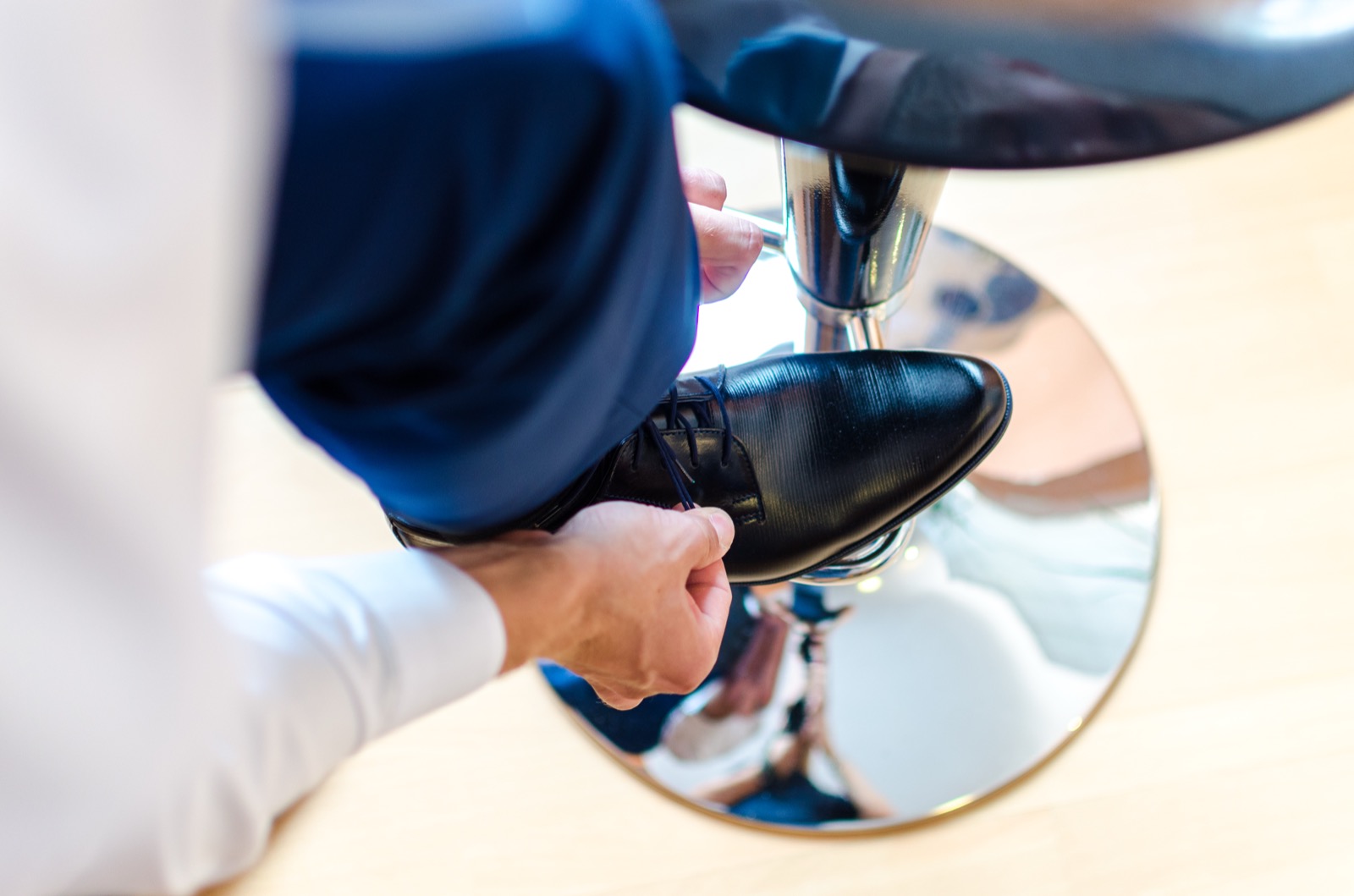
A corn between toes often becomes noticeable when shoes press the toes together. Photo source
The practical search query this article answers is corn between toes treatment near me. It is for someone whose toe is sore in shoes, or for a carer or family member who has noticed limping, rubbing, padding, or a small painful patch between toes. This article belongs to the pillar Corn, callus, cracked heel, and skin discomfort relief.
Start with the exact sore place
A corn between toes can feel small but very sharp. The pain may appear only when shoes are on, when toes press together, or when the person walks for more than a few minutes. That is why the first step is not to buy the strongest corn product. It is to look calmly at where the pressure sits, whether the skin is intact, and what makes the pain worse.
Corns and calluses are areas of thickened skin that can become painful, and the NHS warns people not to cut them off themselves. That matters because a sore patch between toes can be awkward to see, damp, fragile, and easy to damage if someone starts digging at it with scissors or a blade. The safest first move is to check whether the skin is painful, broken, bleeding, or infected before trying any treatment.
This matters commercially for RMFC because people searching for corn between toes treatment near me, corn removal at home, mobile foot care, chiropodist at home, podiatrist at home, or home visit foot care are usually not browsing out of curiosity. They want walking to feel easier and they want a safe next step, especially if clinic travel is difficult.
Why corns form between toes
Shoe shape, toe squeeze, and pressure points can keep a corn sore even after the hard skin has been reduced. Photo source
A corn between toes is usually a pressure problem first and a hard skin problem second. The skin thickens because the same small area is being squeezed or rubbed again and again. That pressure may come from tight shoes, toe shape, a toe leaning onto its neighbour, seams, swelling, or slippers that let the foot slide and bunch the toes.
DermNet describes corns and calluses as a response to repeated friction, rubbing, pressure, or irritation. In everyday terms, the skin is trying to protect itself from repeated pressure, but the result can become painful because the thickened area presses back into a small space between toes.
A soft corn can be especially frustrating because it may sit in a damp area between toes rather than on a dry outer surface. Clinical explainers note that corns can develop on the tops, sides, and between toes, and that soft corns can appear where toes rub together. If the pressure source remains, the same painful spot can keep returning.
The practical lesson is simple. Removing hard skin may reduce discomfort, but lasting improvement depends on checking why that toe space is overloaded in the first place.
What not to do at home
Do not cut a corn between toes with scissors, razors, knives, or nail clippers. Do not dig at a white or soft patch just because it looks loose. Do not keep adding acid corn plasters if the skin is sore, damp, peeling, bleeding, or hard to inspect. These choices can turn a pressure problem into a skin injury.
Mayo Clinic advises extra caution if a corn or callus is painful or inflamed, and if diabetes or poor blood flow is involved. For an older adult or anyone with reduced feeling, pain, inflammation, diabetes, or circulation concerns should raise the threshold for self treatment.
The same principle applies when walking becomes uncomfortable. Do not keep attacking the hard skin while ignoring the shoe, toe position, or walking pressure that keeps causing it. If walking hurts, the pressure pattern needs attention as well as the skin.
Check shoes, socks, and toe squeeze
Look at the shoes and slippers the person wears most, not only the newest pair. Check whether the toe box is too narrow, the shoe bends across the sore toe, a seam is rubbing, socks are bunching, or slippers are loose enough for the foot to slide forward. A corn between toes often becomes worse when the toe space is repeatedly squeezed.
The Royal College of Podiatry links sore feet with footwear, sock seams, moisture, foot shape, blisters, corns, and callus. For families, the useful point is that shoe and sock checks are part of the foot care problem, not a separate afterthought.
Age UK also encourages older adults to look after their feet and choose suitable footwear. That matters because a person may change shoes less often as mobility reduces, or keep wearing slippers that feel easy to put on but rub the same toes every day. If the corn hurts mostly indoors, home footwear deserves the same attention as outdoor shoes.
When diabetes or fragile skin changes the answer
If the person has diabetes, poor circulation, reduced feeling, a weakened immune system, fragile skin, swelling, or a history of foot wounds, do not treat a corn between toes as a simple grooming problem. A small sore area between toes can be easy to miss and slow to settle if the skin is already vulnerable.
Diabetes UK advises people with diabetes to check their feet and avoid blades or corn plasters. That makes DIY corn removal a poor choice when diabetes risk is present, especially if the sore area is between toes and hard to see clearly.
NICE explains that diabetes foot checks look at skin, circulation, feeling, footwear, hard skin, inflammation, infection signs, and pressure risk. So if a corn appears alongside diabetes, numbness, colour change, swelling, broken skin, heat, discharge, or new pain, the whole foot needs checking, not only the painful corn.
When home visit foot care can help
A home visit can make sense when the corn looks stable but walking hurts, shoes are difficult, the person cannot bend safely, eyesight is poor, ordinary self care has failed, or travelling to a clinic is the reason help keeps being delayed. The appointment can focus on safe reduction where appropriate, the skin around the toes, pressure causes, footwear clues, and when medical advice is the better route.
For carers and adult children, the helpful role is often organising safe support rather than trying to treat the corn themselves. A painful corn between toes is one of those small practical changes where getting help may be safer than guessing at treatment, especially if the person cannot inspect the toe space clearly.
For people in Surrey, RMFC can help with corn removal at home, callus reduction, and home visit foot care when routine care is suitable. If there is bleeding, spreading redness, pus, a wound, sudden severe pain, a hot swollen toe, or a diabetes related concern, seek appropriate medical advice before routine treatment.
What to explain before asking for help
Before contacting a foot care provider, write down where the pain is, which toes are involved, whether the skin is broken, how long it has been there, what shoes make it worse, and whether walking has changed. Mention diabetes, poor circulation, reduced feeling, blood thinners, swelling, wounds, infection signs, or previous foot ulcers.
Foot health guidance commonly explains corns as pressure and friction problems. In practical terms, relief should include pressure reduction, and shoe or toe position may explain why the corn hurts in footwear.
The more specific the enquiry, the easier it is to decide whether routine mobile foot care is appropriate or whether a GP, NHS podiatry route, urgent care, or another clinical route should come first.
Key Takeaways
- A corn between toes is usually caused by repeated pressure, rubbing, or toe squeeze.
- Do not cut, dig, or use strong corn treatments if the skin is sore, broken, damp, infected, or hard to inspect.
- Check the shoes, slippers, socks, seams, swelling, and toe position that may be keeping the pressure in place.
- Diabetes, reduced feeling, poor circulation, wounds, redness, discharge, swelling, or sudden severe pain should prompt medical advice before routine corn care.
- Home visit foot care can help when the problem is suitable for routine care but walking, bending, eyesight, mobility, or travel makes self care difficult.
A corn between toes can be painful because it sits in a small space where pressure keeps returning. The useful question is not only how to remove hard skin. It is why the toes are rubbing, whether the skin is safe, and whether the person can manage care without causing harm. If the foot is stable, home visit foot care can make the next step calmer and safer. If there are infection signs, broken skin, diabetes concerns, severe pain, or sudden changes, medical advice should come first.
Need Professional Foot Care?
Book a home visit and get expert treatment without leaving your house