
Chiropodist at Home: What to Check First

Home visit searches often start when travel, balance, bending, or confidence has become difficult. Photo source
The practical search query this article answers is chiropodist at home near me. It is for an older adult, partner, adult child, family member, or carer who needs foot care at home but is not sure what the term means, what a routine visit can safely help with, or when a medical check should come first. This article belongs to the pillar Home visit foot care for older adults, diabetes, and reduced mobility.
What people usually mean by this search
Many people still search for a chiropodist at home when they mean practical foot care without travelling to a clinic. They may also search for mobile foot care, podiatrist at home, home visit foot care, chiropody home visits, or toenail cutting at home. The wording can vary, but the need is usually the same: someone’s feet need attention and leaving home is not easy.
It is worth being precise with professional wording. Chiropodist and podiatrist are protected professional titles in the UK, so families should avoid assuming every mobile foot care service is the same. The useful first step is to check what the practitioner offers, what training or registration applies, and whether the problem sounds routine or higher risk. That keeps the search practical without overstating credentials.
Home visit intent matters commercially for RMFC because this search is close to action. People are usually not browsing abstract foot health advice. They are trying to solve a real access problem: nails are too hard to cut, hard skin is uncomfortable, shoes are painful, the person cannot bend safely, or a clinic trip would be stressful.
When a home visit may be the right next step
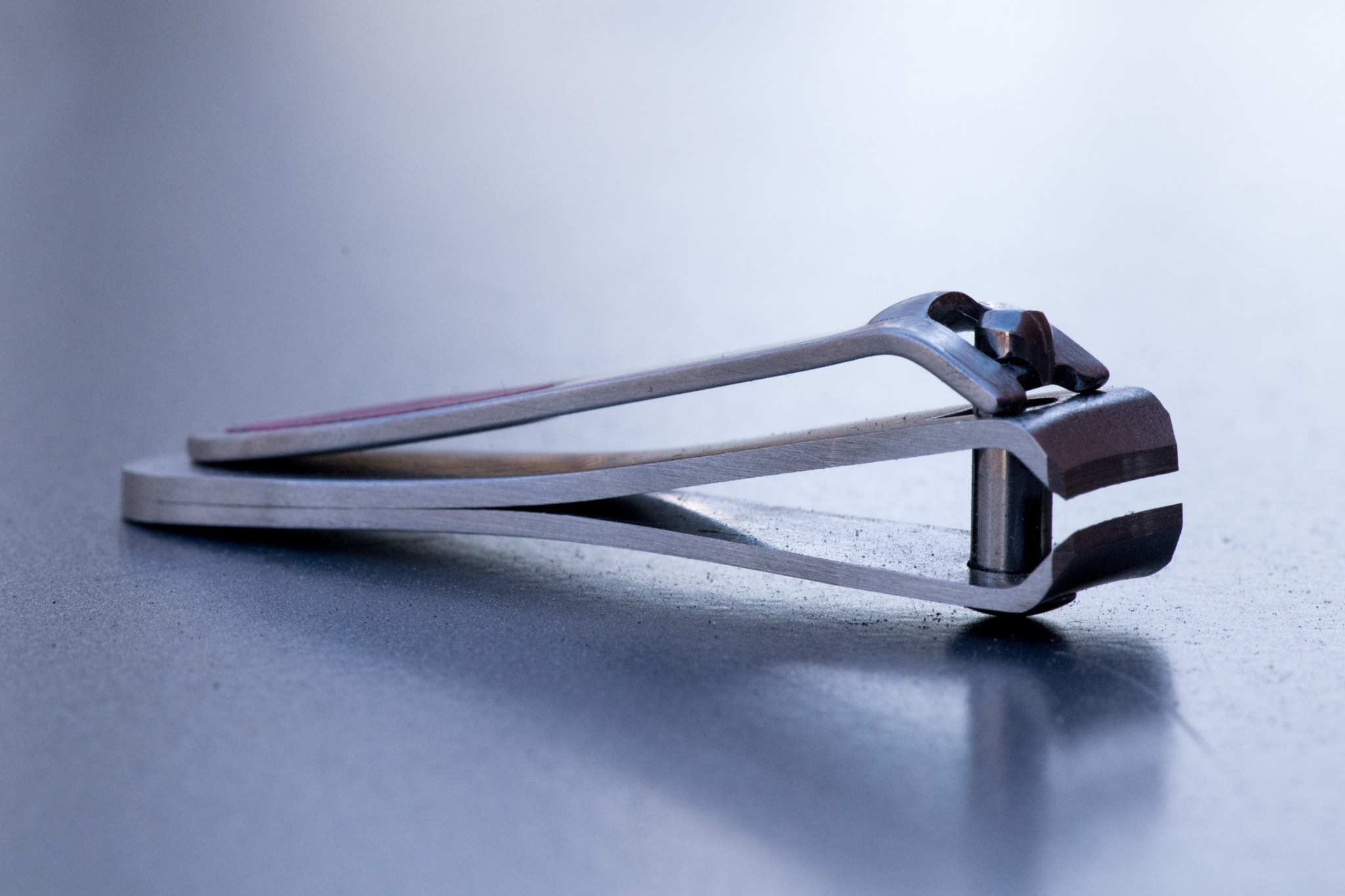
Ordinary clippers are not always safe or comfortable when nails are thick, curved, painful, or hard to reach. Photo source
A home visit can make sense when routine foot care has become awkward rather than urgent. That includes long toenails, thick or hard nails, rough nail edges, hard skin, mild pressure discomfort, dry heels, or general foot comfort checks where the skin is intact and the person is otherwise well.
Age UK describes foot care support for older people who cannot look after their feet, including toenail cutting and, in some places, home access for people who are housebound. That supports a simple principle: the setting should fit the person’s mobility, not just the task on the day.
The NHS says nails can become thicker or more brittle with age, and that professional help may be needed if nails are too tough to cut or the person cannot reach them. For families, nails that are too tough or too hard to reach are a sensible point to stop forcing another difficult cut at home.
Regular care also helps because older feet often change slowly. The Royal College of Podiatry links ageing feet with the need for nail care, footwear checks, pressure awareness, and attention to comfort. In everyday terms, routine checks can prevent small foot problems becoming daily walking problems.
What to check before booking
Before arranging a visit, write down what has changed. Are the nails long, thick, yellow, crumbly, curved, painful, or pressing into shoes? Is there hard skin, a corn, cracked heel skin, swelling, a new pressure mark, or a change in walking? A clear description helps the practitioner decide whether routine mobile foot care is suitable.
Check the skin in good light. Look for redness, heat, swelling, broken skin, bleeding, discharge, a bad smell, sudden colour change, or a toe that looks very different from usual. NHS foot pain guidance is useful here because where the pain is and how it behaves can change what sort of help is appropriate.
If diabetes is involved, be more cautious. Diabetes UK advises regular foot checks, careful nail care, moisturising where appropriate, suitable footwear, and avoiding blades or corn plasters. For a family member, daily foot checking is part of safer care, not an optional extra.
Sight, balance, hands, breathing, back pain, and memory matter too. RNIB explains that sight loss can make it harder to look after feet, while arthritis and joint pain can make reaching, bending, and shoe fitting more difficult. A useful home visit decision looks at whether the person can inspect their feet safely and whether pain or joint change is affecting daily movement.
When routine foot care should wait
A routine home visit should not be used to push through warning signs. Pause and seek GP, NHS, urgent care, podiatry, or diabetes foot team advice first if there is spreading redness, heat, swelling, pus, bleeding, an open wound, a black or blue colour change, sudden severe pain, fever, or the person feels unwell.
An ingrown toenail also needs care with the next step. NHS advice says to get medical help if pain and swelling are not improving, if there is pus, or if the person has diabetes. That makes persistent ingrown nail pain or infection signs a reason to stop home cutting rather than dig down the side of the nail.
For diabetic feet, the safety bar is higher. NICE guidance on diabetic foot problems focuses on timely assessment and the right pathway. If there is a wound, ulcer concern, infection sign, new colour change, or sudden pain, routine care should not replace proper medical assessment.
Corns and callus can also be risky if someone tries to cut them at home. The Royal College of Podiatry explains that hard skin and corns are linked with pressure and rubbing. The practical lesson is that pressure needs to be understood as well as the hard skin, especially when the person is older, diabetic, or has poor circulation.
How to prepare for a home foot care visit

A useful appointment starts with the real problem, not just the search term someone typed. Photo source
Good preparation is simple. Choose a comfortable chair, good lighting, and enough space for the practitioner to work safely. Have clean socks nearby, remove nail varnish if possible, and make a short note of the main concern, such as thick nails, sore shoes, hard skin, diabetes, poor circulation, blood thinners, reduced feeling, or recent falls.
If you are arranging care for someone else, make sure the person understands who is visiting and why. Carers UK encourages families to think carefully about the support someone needs and how care is arranged. For foot care, that means matching help to the person’s actual situation, not just booking the quickest available appointment.
It also helps to say what you are searching for in plain words. Instead of only saying chiropodist at home, explain the practical problem: Mum cannot reach her nails, Dad has thick toenails that normal clippers will not cut, the shoes are rubbing, there is hard skin under the ball of the foot, or clinic travel is no longer realistic.
For RMFC patients in Surrey, a home visit may help with routine toenail cutting, thickened nails, hard skin, corns, callus, cracked heel care, diabetic foot care support where routine care is appropriate, and general comfort checks. If warning signs are present, the safer first step is medical advice before routine foot care.
Key Takeaways
- People often search for a chiropodist at home when they need practical foot care without travelling to a clinic.
- A home visit may help when routine nail or skin care has become difficult, painful, hard to reach, or stressful to manage alone.
- Check for redness, heat, swelling, broken skin, discharge, sudden colour change, severe pain, or diabetes concerns before treating the visit as routine.
- Families should describe the real problem clearly, including thick nails, hard skin, poor eyesight, reduced mobility, diabetes, pain, or difficulty travelling.
A search for a chiropodist at home is really a search for safer, easier foot care in the right setting. If the problem is routine and the skin looks calm, a home visit can be a practical way to keep feet comfortable without stressful travel. If there are warning signs, diabetes concerns, wounds, infection signs, or sudden changes, medical advice should come first.
Need Professional Foot Care?
Book a home visit and get expert treatment without leaving your house