
Chiropodist at Home: What to Check First
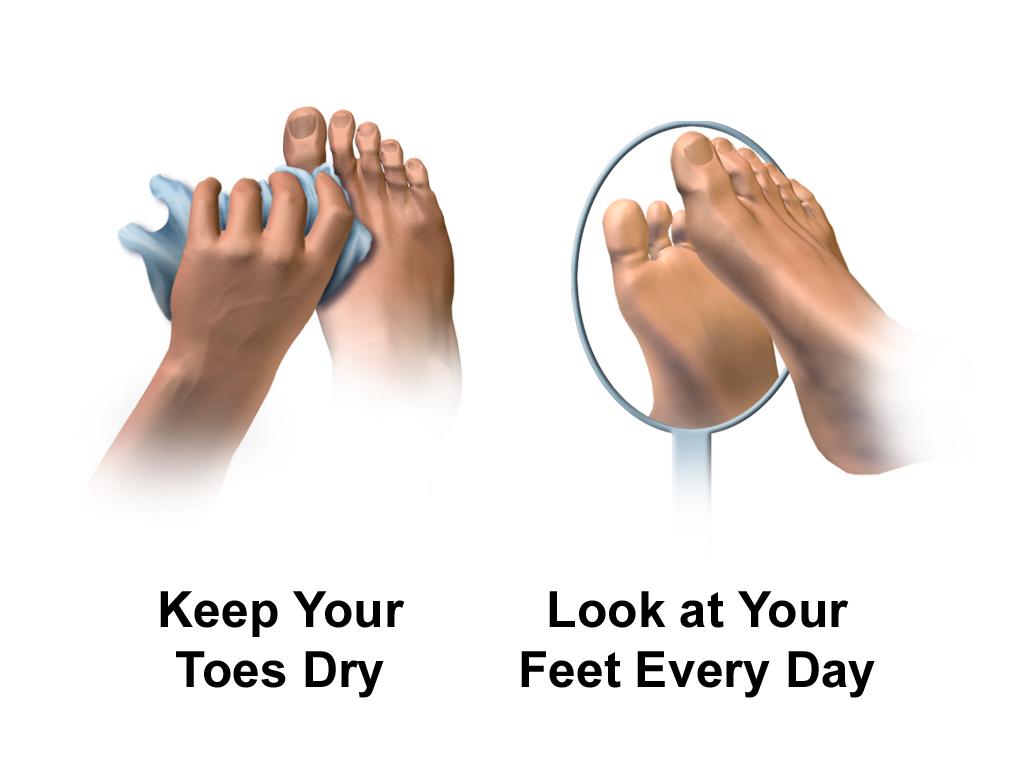
A good home foot care visit starts with a clear look at the feet, not just quick nail cutting. Photo source
Chiropodist at home searches usually happen when a parent, partner, or older relative can no longer manage their feet safely. The practical search query this article answers is chiropodist at home. It is for families who need help, but want to check the right things before booking someone into the home.
What the search is really asking
Most people are not only asking for a foot care appointment. They are asking whether the person needs toenail cutting, corn or callus help, a diabetes safe check, or a more clinical podiatry route. That matters because a simple looking foot problem can sit alongside poor circulation, reduced feeling, sight loss, medication, swelling, or difficulty walking.
Search results for chiropodist at home, podiatrist home visit, mobile foot care, and toenail cutting at home show the same commercial intent: people want practical foot care without a clinic trip. The strongest local result patterns include NHS podiatry search pages, local directories, visiting practices, and home visit foot care providers. For RMFC, the commercial rationale is direct because the reader is already considering a home based appointment, but still needs reassurance before choosing.
The right answer is not to push every reader into booking. It is to help them work out what needs checking first: the foot problem, the person’s risk level, the visitor’s scope, and whether the home visit can be done safely and comfortably.
Check what kind of foot help is needed
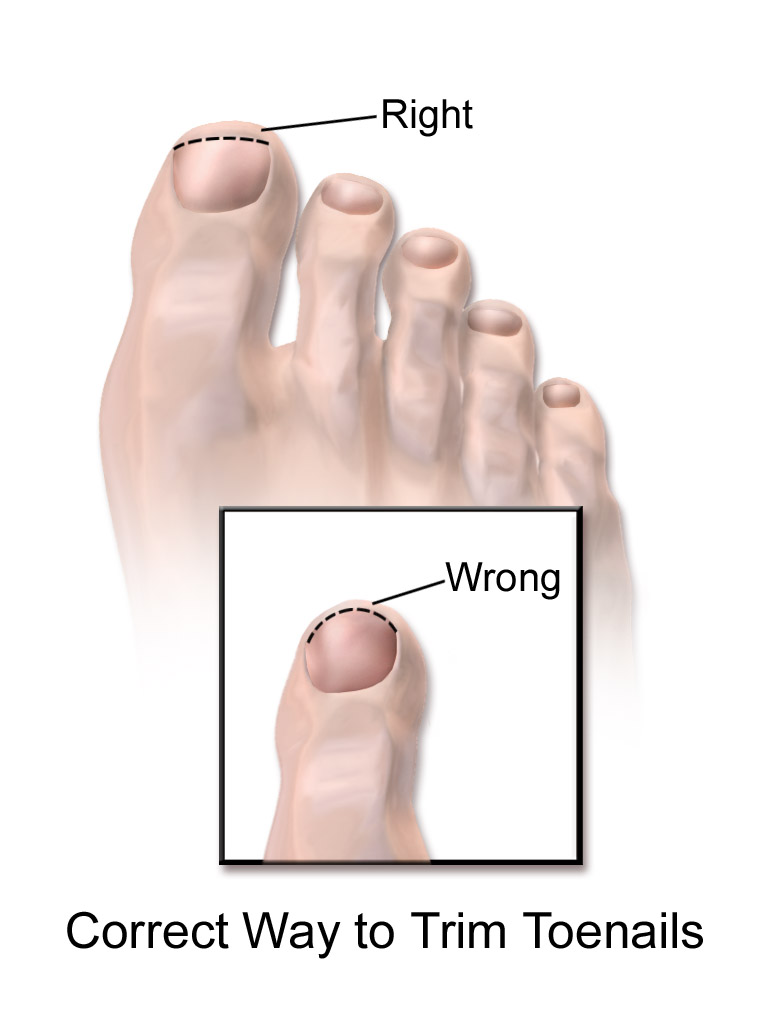
Routine nail care can be appropriate at home, but painful, infected, or high risk feet need a more cautious decision. Photo source
Start with the problem in plain words. Is the main issue thick toenails, painful nails, corns, callus, cracked skin, swelling, a wound, a change in colour, or pain when walking? A provider may be right for routine nail and hard skin care, while a new wound, infection signs, severe pain, or a sudden change may need medical advice first.
The NHS foot pain guide is useful because it separates foot pain by area and points people toward when to get medical help. That is the mindset families should use before booking: name the problem clearly, note how long it has been there, and check whether it is getting worse rather than treating every foot concern as routine.
Age UK explains why foot care matters in later life: good foot care can reduce pain, lower infection risk, and help reduce fall risk for older people who cannot look after their feet. Its local foot care services may include basic toenail cutting, guidance, clinic appointments, or home access for people who are housebound, which mirrors the real reason many families search for foot care services for older people.
Check the words podiatrist and chiropodist
In everyday UK searches, people still use chiropodist and podiatrist almost interchangeably. The safer practical rule is simple: if someone presents themselves as a podiatrist, check they are on the HCPC register. HCPC says its register lists health and care professionals who meet standards for training, professional skills, behaviour, and health, so it is the right place to check a registered professional.
The Royal College of Podiatry’s find a podiatrist route also shows why families search for visiting practices, not just clinics. If the person needs regulated podiatry assessment, diabetes related support, or more complex care, ask whether the provider is a registered podiatrist and whether they offer home visits.
If the provider is a foot health practitioner rather than a podiatrist, ask what they can and cannot treat. That does not automatically make the visit wrong. It simply means the scope should match the problem. Routine nail care and hard skin care are different from diagnosing a wound, managing an ulcer, or replacing NHS diabetes foot care.
Check diabetes and circulation first
Diabetes changes the decision. Diabetes UK explains that diabetes can damage nerves and blood supply in the feet, so someone may not feel damage properly and cuts or sores may heal less well. Its advice to look for symptoms such as loss of feeling, swelling, wounds that do not heal, cramps, shiny skin, or changes in the feet is a useful prompt before booking routine foot care for someone with diabetes.
NICE guidance is even clearer about access for higher risk people. It says foot protection services should support people with diabetes, and that special arrangements may be needed for disabled people, people who are housebound, or people living in care settings, so they can access foot care assessment and treatment. In plain English, housebound status should not turn high risk feet into a do it yourself job.
The CDC gives practical home checks that families can copy: check feet every day, use a mirror or ask a family member if the person cannot see the soles, do not remove corns or calluses yourself, and ask a podiatrist to trim nails if the person cannot see or reach their feet. Those same points support a cautious home visit decision when the person has reduced feeling or difficulty reaching their feet.
Foot Health Facts makes the same risk practical: inspect feet daily, cut nails carefully, avoid bathroom surgery on corns and calluses, and get periodic foot exams. That is a useful safety boundary for families: home support should reduce risk, not encourage cutting, digging, or medicated pad use on a high risk foot.
Check mobility, sight, and consent
A clear view of the feet, good lighting, and enough time to explain symptoms make a home visit easier and safer. Photo source
A home visit may be the right choice because the person cannot travel comfortably, but mobility is not the only issue. Sight loss, dementia, hearing difficulty, anxiety, and communication needs can all change how the appointment should be arranged. The question is not just whether someone can get through the door. It is whether the person can understand, consent, sit safely, and say if something hurts.
RNIB’s independent living guidance highlights how equipment and support can help people with sight loss live independently at home. For foot care, that points to simple preparation: good lighting, a clear route to the chair, glasses or magnifiers if used, and a family member nearby if the person wants help explaining the problem.
NHS England’s Accessible Information Standard is aimed at NHS and adult social care, but the principle is useful for any home health style visit. It says services should identify, record, flag, share, meet, and review people’s information and communication needs. Families can translate that into one practical check: tell the provider about hearing, sight, language, memory, or communication needs before the visit, not after the appointment becomes stressful.
If the person cannot comfortably explain what they want, involve them as much as possible and avoid making the appointment feel like something being done to them. A family member can help with details, but the person receiving care should still be treated as the decision maker wherever possible.
Check the home visit setup
Good home foot care needs a safe place to work. Before the visit, choose a chair with support, clear the floor around it, make sure there is good light, and keep pets or trip hazards away from the treatment area. If the person becomes tired quickly, tell the provider so the appointment pace can be sensible.
NHS homecare guidance describes home support as helpful when someone has difficulty walking or getting around, and it encourages people to think about home adaptations or equipment if staying at home is becoming harder. That same practical thinking applies to foot care: a safe visit depends on the chair, room, lighting, access, and how the person transfers in and out of the seat.
GOV.UK explains that a needs assessment can look at healthcare, equipment, help in the home, and adaptations. If foot care problems are part of a wider pattern of falls, reduced mobility, washing difficulty, or carer strain, a home chiropodist visit may help one problem, but it should not replace asking the council about wider help and support needs.
Carers UK describes how arranging care often begins with not knowing where to start, then looking at needs assessments, care at home, agencies, direct payments, and contingency planning. That carer perspective matters here because foot care is often the visible problem that reveals a broader support gap.
Check infection control and equipment
Ask what equipment the provider brings, how instruments are cleaned or sterilised, whether disposable items are used where appropriate, and what they do if they see broken skin, discharge, heat, swelling, or bleeding. A calm provider should not mind those questions.
This is not about making the visit feel clinical or frightening. It is about basic hygiene, sensible boundaries, and knowing when routine foot care should pause. If the person has an open wound, signs of infection, severe pain, or a diabetes foot concern, the right answer may be to seek medical or NHS podiatry advice first.
The Health and Safety Executive’s workplace welfare guidance is not a foot care guide, but its emphasis on lighting, seating, rest facilities, and maintenance supports a practical point for any visit carried out in a home: the working setup matters. A rushed appointment in a dim room, unstable chair, or cluttered space is not ideal for careful foot care.
Check price, time, and aftercare
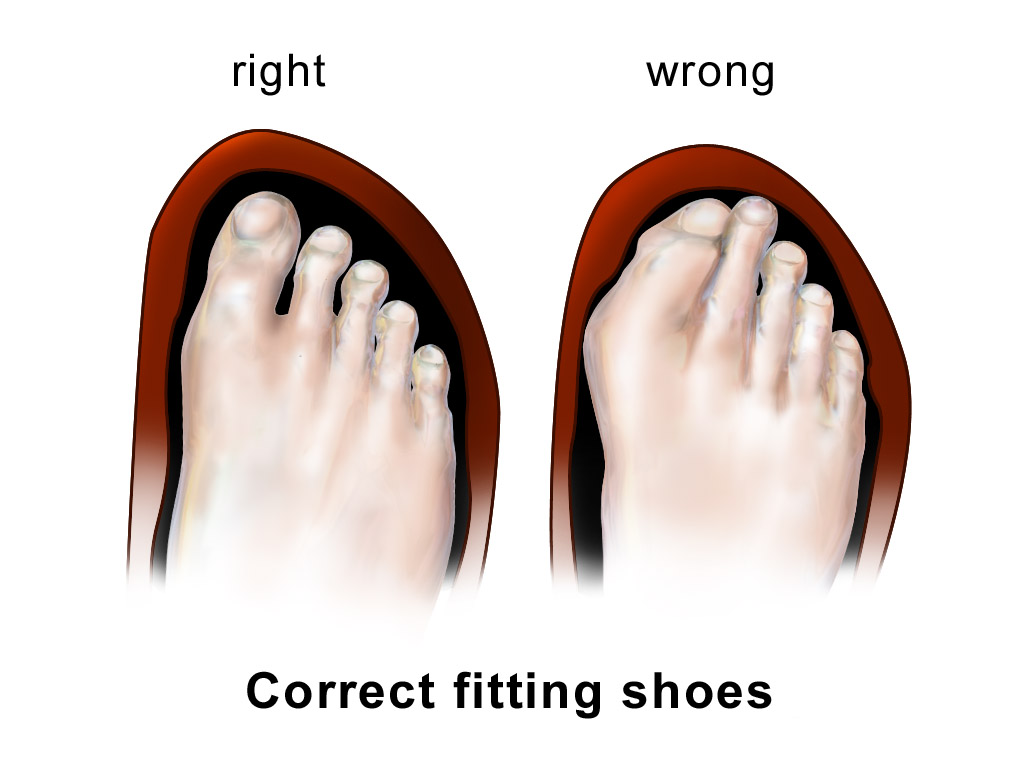
Aftercare may include shoe fit, pressure, skin care, and what to watch for after the appointment. Photo source
Before booking, ask what is included, how long the visit usually takes, whether the price changes for extra problems, and what happens if the provider decides the foot needs medical advice instead of routine treatment. A clear answer helps families avoid surprise costs and disappointment.
Ask what aftercare advice will be left. For example, should the person moisturise dry skin, change footwear, avoid cutting a painful nail corner, monitor a pressure area, or contact a GP if redness spreads? A useful home visit should leave the family clearer, not just with shorter nails.
Age UK’s falls advice says people should ask for help if they feel unsteady, because admitting things have changed can help someone stay independent for longer. That is a good emotional frame for this article too. Home foot care is not a failure of independence. It can be a practical way to protect comfort, walking, and confidence.
When RMFC home foot care can fit
For many families, the useful next step is a calm home foot care visit that checks the feet, helps with routine nail or hard skin issues where appropriate, and gives clear advice if something needs GP, NHS, or podiatry input. This is where Rithik’s Mobile Foot Care fits best: practical foot care for people who would rather be seen at home, especially older adults, people with reduced mobility, and family members trying to make a sensible decision.
The key is matching the visit to the problem. Routine nail care, thick nails, hard skin, corns, callus, and general foot comfort can often be discussed in a home visit. New wounds, spreading redness, suspected infection, severe pain, sudden swelling, or high risk diabetes concerns should be treated as medical red flags, not as a normal booking detail.
If you are arranging care for someone else, write down the main concern, medicines or diabetes history, any allergies, what has changed recently, and whether the person can sit comfortably for the appointment. Then contact RMFC with those details so the visit can be planned sensibly rather than guessed at on the day.
Key Takeaways
- Chiropodist at home searches usually mean the family wants safe foot care without a stressful clinic trip.
- Check the actual foot problem before booking, especially pain, wounds, swelling, colour change, or infection signs.
- If someone presents as a podiatrist, check HCPC registration and make sure their scope matches the problem.
- Diabetes, poor circulation, reduced feeling, or difficulty seeing the feet should make the decision more cautious.
- A good home visit should include clear boundaries, hygienic equipment, safe seating, useful aftercare, and referral advice when needed.
A chiropodist at home can be a very practical answer when foot care has become difficult, painful, or unsafe to manage alone. The best first step is to check what problem you are trying to solve, whether diabetes or reduced feeling changes the risk, and whether the provider’s role fits the foot concern. If the person mainly needs calm routine foot care at home, contact Rithik’s Mobile Foot Care with the details before booking, so the visit starts with the right information.
Need Professional Foot Care?
Book a home visit and get expert treatment without leaving your house