
When Carers Should Not Cut Toenails
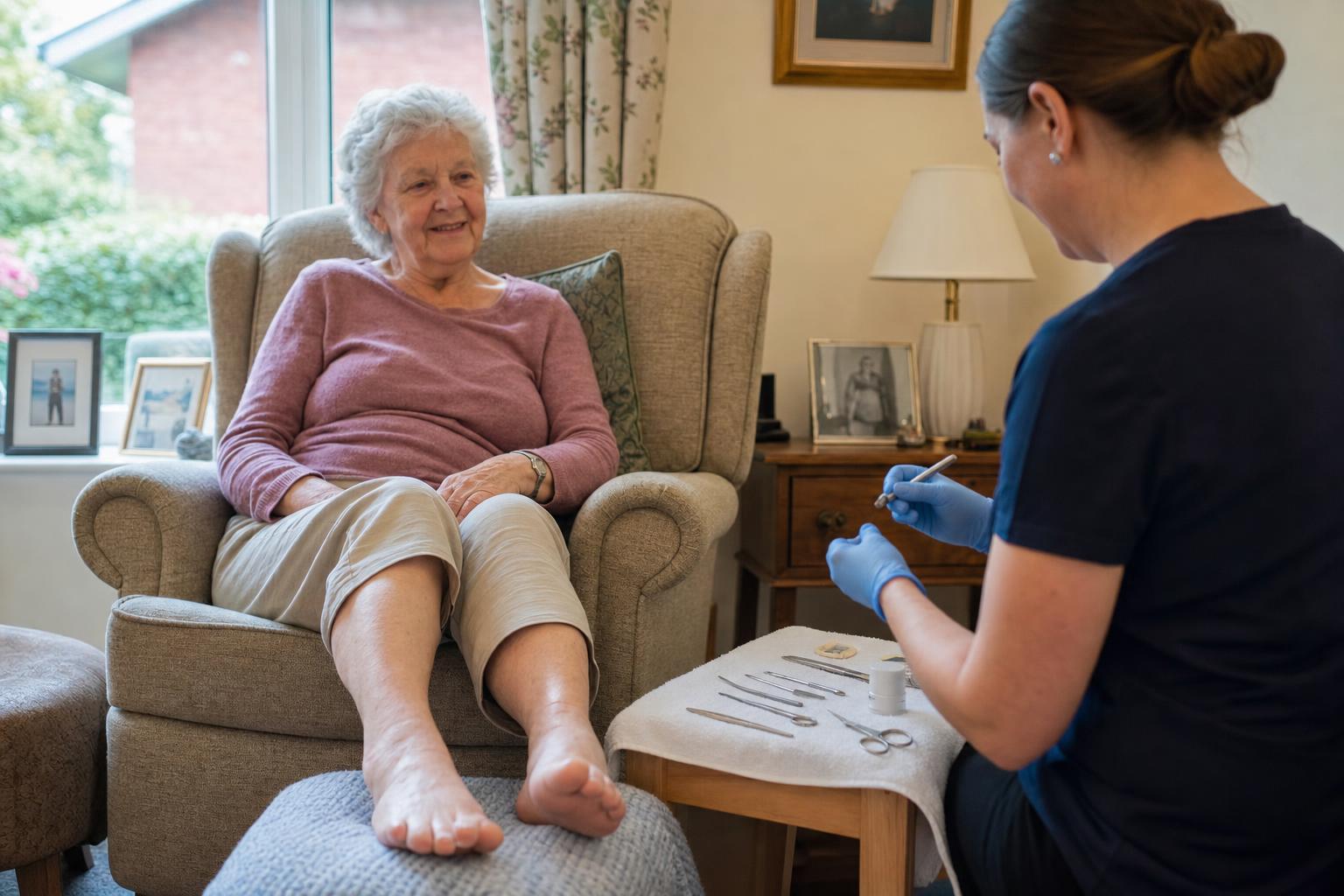
Carers should pause before cutting toenails when pain, swelling, diabetes, or poor visibility could make clipping unsafe.
The practical search query this article answers is when not to cut toenails elderly. It is for the adult child, partner, neighbour, or carer who can see that an older person's toenails need attention, but is not sure whether helping with clippers is sensible, risky, or a sign that professional foot care at home would be safer.
Why carers hesitate for good reason
Toenail cutting looks simple until the person cannot see, reach, feel, or steady the foot properly. A carer may only be trying to help, but a small nick can become a bigger problem if the skin is fragile, the nail is thick, the toe is swollen, or the person has diabetes or poor circulation.
This is why the decision should start with the foot, not the clippers. The NHS says nails can become thicker or more brittle with age, and specifically advises seeing a podiatrist if nails are too tough to cut or cannot be reached. That sentence describes the exact moment many families reach for home help.
Check the foot before the nail
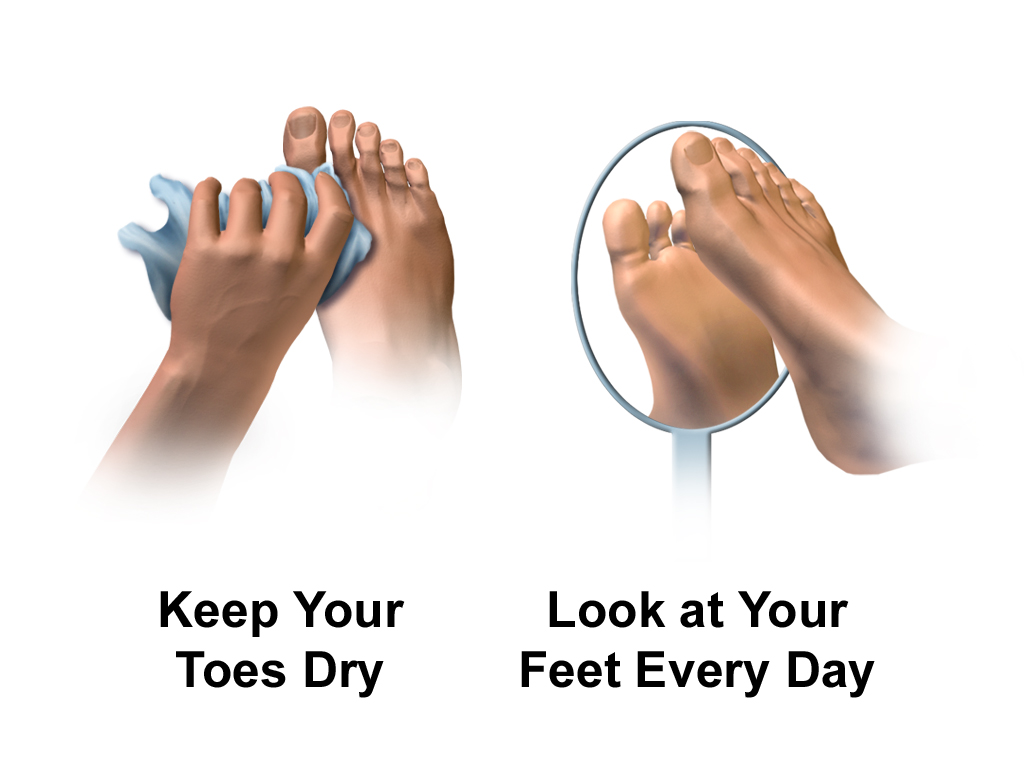
A quick foot check helps carers spot when ordinary nail cutting is no longer the right first step. Photo source
Use good light and look at the whole foot. Check the nail edges, the skin around each toe, between the toes, the heels, the sole, and the areas that rub inside shoes. Notice redness, swelling, heat, broken skin, bleeding, discharge, colour change, new pain, or a smell that was not there before.
Age UK explains that foot care in later life can reduce pain, lower infection risk, and reduce falls risk, and that basic foot care services may include toenail cutting for older people. The useful lesson for families is that toenails affect comfort, shoes, walking, and confidence, not only appearance.
The Royal College of Podiatry also links routine nail control with shoe comfort, warning that nails that become too long can press against the shoe and cause soreness, infection, or ulceration. That makes long toenails pressing in shoes a practical risk signal rather than a cosmetic nuisance.
When a carer should stop before cutting
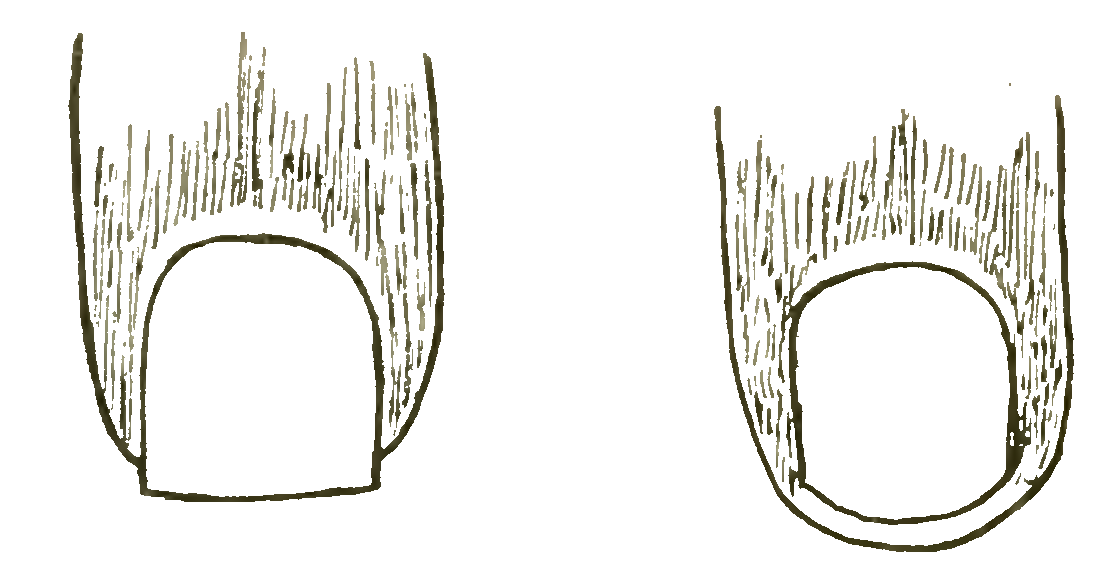
Cutting down the sides or chasing a painful corner can make a nail problem worse. Photo source
Do not cut if the toe is red, hot, swollen, weeping, bleeding, very painful, or has pus. Do not cut if the nail corner is hidden in the skin, if the person cannot keep the foot still, or if the nail is so thick that ordinary clippers need force.
NHS ingrown toenail advice says a toe may become red, painful, swollen, curved into the toe, or infected, and warns people not to cut the toenail when treating an ingrown toenail at home. If a carer is tempted to dig down the side, the safer answer is to stop cutting the painful nail corner and arrange proper help.
NHS inform gives similar warning signs, including swelling, tenderness, pus, feeling hot or shivery, and diabetes as a reason to speak to a GP practice. That reinforces a simple rule: painful or infected nail signs are not routine carer nail care.
Diabetes changes the threshold
If the older person has diabetes, a carer should be much more cautious. Diabetes can reduce feeling in the feet and affect blood supply, so small cuts, rubbing, or pressure areas can be missed or heal more slowly.
Diabetes UK explains that nerve damage can mean a person does not feel foot damage properly, and reduced blood supply can affect healing. If a person with diabetes has new swelling, colour change, pain, broken skin, or loss of feeling, new foot changes need extra caution before anyone trims.
NICE diabetic foot guidance is written for clinical care, but it is useful for families because it treats diabetic foot problems as a prevention and management pathway. In plain terms, higher risk diabetic foot problems need the right route, not a rushed kitchen chair trim.
Thick or fungal nails are not just harder nails
Thick nails often make carers feel they should simply use stronger clippers. That can be risky. Thickened nails may split, lift, hide pressure under the nail, or need reduction rather than forceful cutting.
The NHS notes that fungal nail infection can make the nail thicker, white or yellow, brittle, crumbly, lifted, swollen, or painful, and advises extra caution if diabetes is involved. If the nail has changed shape or thickness, forcing through a thickened nail is not the same as ordinary trimming.
If the nail has become too tough for ordinary clippers, keeps splitting, or hurts in shoes, treat that as a reason to arrange help rather than applying more force. The risk is not just a messy nail cut. It is catching the surrounding skin or leaving a jagged edge that creates pressure later.
What carers can safely prepare instead
If you decide not to cut, you can still help. Write down what changed, which toe hurts, whether shoes feel tighter, whether socks catch, whether the person has diabetes, circulation problems, blood thinning medication, recent falls, numbness, or a history of wounds. Keep the usual shoes and socks nearby for the appointment.
Carers UK says it can be hard to know where to start when arranging care or support for someone, and encourages families to gather the information needed to make informed choices. Turning worry into a clear note makes arranging practical support much easier.
That note does not need to sound clinical. A plain sentence like "right big toenail hurts in shoes" or "Mum cannot bend safely to cut the left nails" is enough to make the appointment more focused.
When home visit foot care makes sense
Home visit foot care makes sense when the need is routine but the practical barrier is real: the person cannot reach safely, cannot see well enough, cannot travel easily, has nails that are too thick for ordinary trimming, or becomes anxious when a family member tries to help.
A home visit can help with routine toenail cutting, thickened nail care where appropriate, rough edges, pressure checks, and advice about what to watch between visits. It also gives the family a calmer alternative to waiting until the nail becomes painful or trying to cut through a problem they are not confident about.
If wider support at home is also becoming difficult, GOV.UK explains that a needs assessment can look at help in the home, healthcare, equipment, and adaptations. That is separate from private nail care, but wider help at home may also be worth exploring when foot care is one sign of a larger care need.
For families in Surrey, booking a home visit with Rithik's Mobile Foot Care may be the right next step when toenail cutting is needed but carer cutting no longer feels safe. If there is broken skin, spreading redness, pus, sudden swelling, severe pain, feverish symptoms, or a diabetes related change, seek medical advice first.
Key Takeaways
- Carers should check the whole foot before deciding whether toenail cutting is safe.
- Do not cut if there is redness, swelling, heat, pus, bleeding, broken skin, severe pain, or a hidden nail corner.
- Diabetes, poor circulation, reduced feeling, blood thinning medication, and past wounds all raise the caution level.
- Thick or fungal looking nails should not be forced through with stronger clippers.
- A home visit can be a safer option when the need is routine but reaching, seeing, travelling, or carer confidence is the problem.
A carer does not need to be fearless with clippers to be helpful. Often the safest support is knowing when to pause, check the foot properly, write down the concern, and arrange the right help. If the nail is simply long and the foot looks healthy, careful routine trimming may be enough for some families. If the nail is thick, painful, ingrown, infected looking, linked with diabetes risk, or the person cannot sit safely, professional foot care or medical advice is the safer route.
Need Professional Foot Care?
Book a home visit and get expert treatment without leaving your house