
Can't Reach Toenails Safely? What to Do
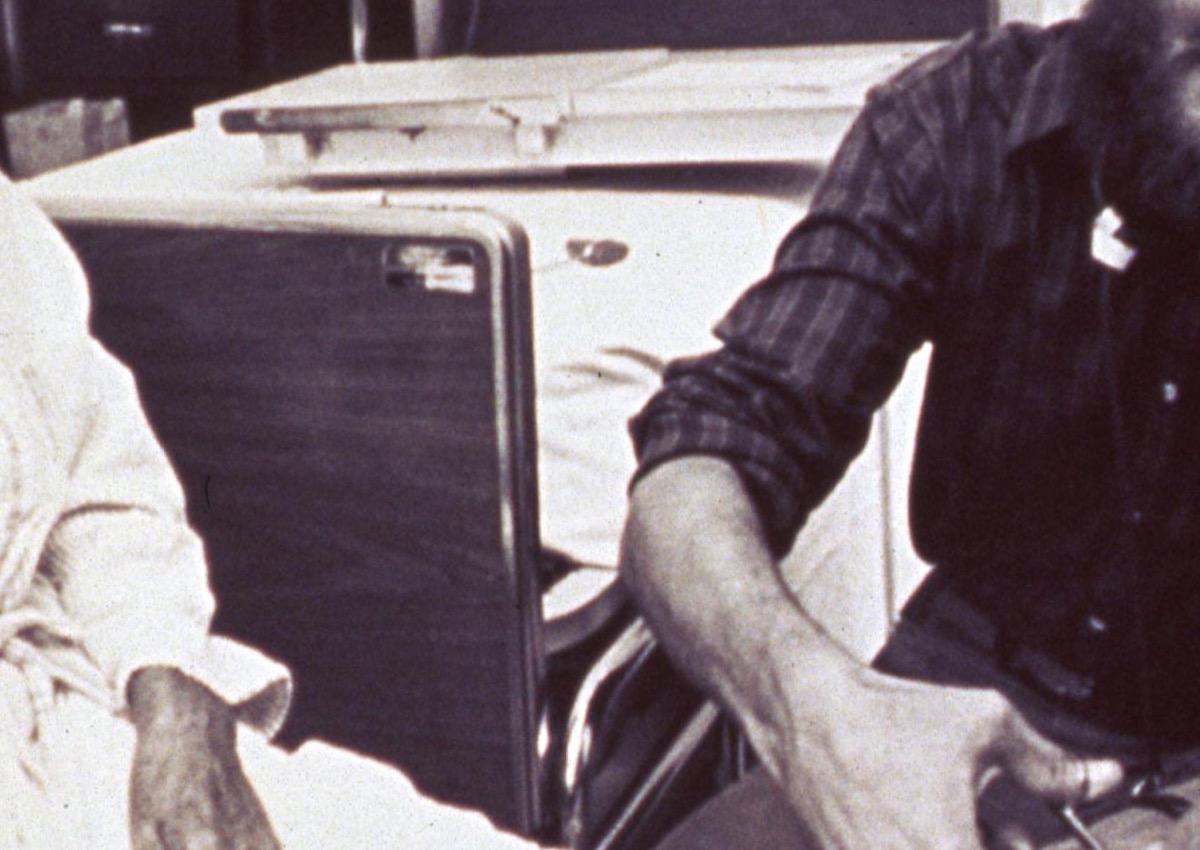
When bending, grip, eyesight, or balance make nail cutting unsafe, outside help can turn a stressful task into calm routine care. Photo source
The practical search query this article answers is can't reach toenails to cut. It is for an older adult, adult child, partner, or carer who can see that toenails need attention, but bending, eyesight, grip strength, pain, balance, arthritis, stroke recovery, Parkinson's, diabetes, or reduced mobility makes cutting them at home feel unsafe.
Why not being able to reach matters
Not being able to reach toenails is not laziness or fuss. It often means the person has to twist awkwardly, hold their breath, balance on the edge of a chair, use tools they cannot control, or ask a family member who feels equally unsure. That is how a routine job can become a cut, a painful nail edge, or a task everyone avoids until shoes hurt.
This topic sits under the pillar Home visit foot care for older adults, diabetes, and reduced mobility. It matters commercially for RMFC because searches around toenail cutting at home, mobile foot care, chiropodist at home, podiatrist at home, and home visit foot care often start with this exact problem: someone cannot safely do the job themselves and needs practical help at home.
Later life foot care is linked with comfort, infection risk, fall risk, and independence. Foot care services for older people are described as helping those who cannot look after their own feet, including toenail cutting and, in some places, home support for people who are housebound.
First check whether cutting is safe today
Before anyone picks up clippers, look at the feet in good light. Check the nail edges, skin between the toes, heels, soles, swelling, colour, hard skin, corns, wounds, discharge, heat, and any area that is painful or rubbing in shoes. If the person cannot see the foot properly, use a mirror or ask someone trusted to look.
General foot health advice is simple on paper: examine feet regularly, wear comfortable shoes, wash with lukewarm water, and trim toenails straight across and not too short. The hidden assumption is that the person can reach, see, and control the cut. If they cannot, forcing the same advice may not be safe.
Stop and seek advice if there is broken skin, bleeding, pus, spreading redness, heat, swelling, sudden colour change, severe pain, a new wound, or a sore that is not healing. Routine nail care should not be used to work around signs that need medical attention.
Why bigger clippers are not always the answer
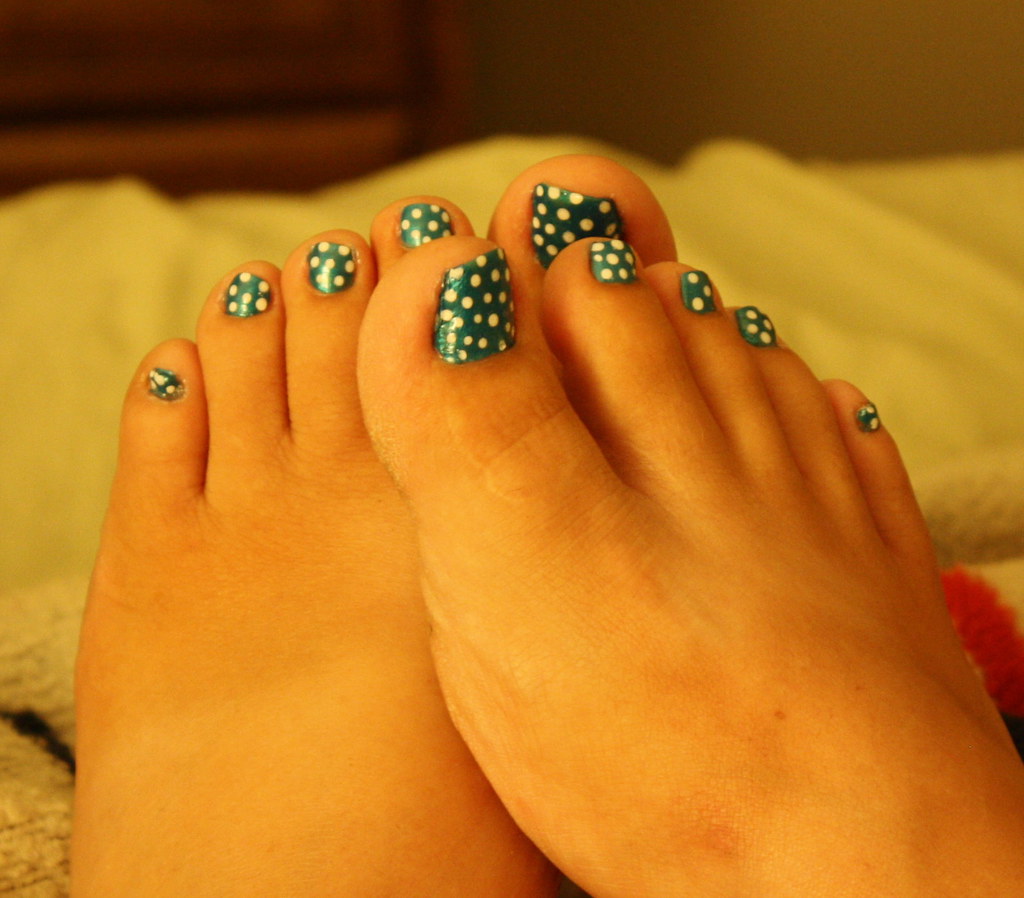
Toenails may look like a small task, but safe cutting depends on reach, visibility, control, nail thickness, skin condition, and health risk. Photo source
When someone cannot reach, families often look for stronger clippers, longer handled tools, blades, or scissors. That can help with some low risk nails, but it can also remove the feedback that tells you when you are too close to skin. A tool that feels powerful can still be unsafe if the person cannot see the nail edge clearly.
Ageing feet can involve thinner skin, drier skin, pain, arthritis, diabetes, circulation changes, and slower healing. Professional podiatry guidance on ageing feet stresses that comfort, pain relief, mobility, and routine care matter as feet change with age. That is why the safer decision is often about the whole foot, not only the nail.
A practical rule helps: if the nail is too thick to cut in small controlled pieces, too curved to see the edge, painful at the side, crumbly, lifting, or pressing into skin, stop. Do not dig down the sides or cut into corners to make it look tidier.
Mobility problems change the risk
Bending to reach feet can be hard after arthritis, hip or knee surgery, stroke, Parkinson's, back pain, frailty, weight change, breathlessness, or a fall. The issue may not be the nail at all. It may be that the person has to get into an unsafe position to reach it.
Falls guidance points out that older adults can be affected by eyesight, reflexes, medicines, health conditions, balance, and the home environment. Many falls can be prevented, but fear of falling can stop people from staying active. If someone has fallen, NHS advice also says to take time, check for pain or injury, and use stable support before getting up. A painful nail is not the only cause of falls, but awkward self care can add avoidable risk.
If the person has Parkinson's, foot and ankle stiffness, gait change, freezing, and balance difficulty can make ordinary foot care harder. Parkinson's UK notes that foot problems may include difficulty with balance, posture, stiffness, and mobility. That is a good reason to make nail care easier, not more physically demanding.
Diabetes lowers the threshold for help
If the person has diabetes, treat unreachable toenails as a safety issue, not just a nuisance. Diabetes can reduce feeling and affect blood flow, so a small cut, blister, or sore may not be noticed early.
Diabetes UK explains that if feeling in the feet is reduced, it may be harder to look after them and the person may need help from a podiatrist or foot protection service. Its foot care advice encourages people to check feet regularly and get help when foot care becomes difficult.
NICE also says adults with diabetes should have regular foot checks and should be checked if they think there is a problem with their feet. Foot checks for diabetes look for skin, shape, feeling, blood flow, infection signs, ulcers, and pressure areas, which is much broader than simply trimming a nail.
The CDC gives a very practical rule: check feet every day, even if they feel fine. If diabetes is involved and there is numbness, broken skin, redness, swelling, heat, discharge, sudden pain, or colour change, seek medical advice before routine nail cutting.
What carers can safely do
A carer can help by making the task easier without taking unsafe risks. Choose a stable chair, good lighting, clean socks, a towel, and enough space around the feet. Ask about pain before touching the foot. Look for shoe rubbing, long nails, hard skin, swelling, skin breaks, and whether the person can feel light pressure.
Family carers often carry small daily care tasks because they feel there is nobody else to ask. Carers UK frames practical caring around getting support with day to day care needs rather than doing everything alone. Saying no to unsafe nail cutting can be a responsible caring decision.
If the person wants a registered podiatrist specifically, the HCPC register can be used to check health and care professionals who meet registration standards. For routine mobile foot care, ask what can be treated, what is outside scope, and when onward advice would be recommended.
When home visit foot care makes sense
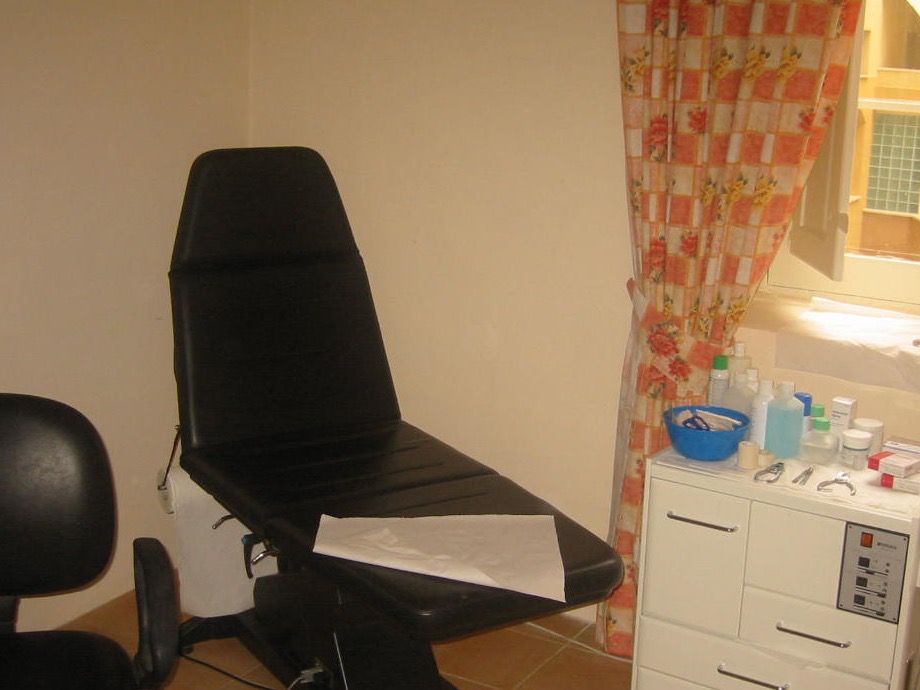
A properly set up foot care visit should make the task calmer, better lit, and easier to manage than awkward cutting at home alone. Photo source
A home visit is worth considering when toenails are too hard to reach, too thick for ordinary clippers, painful in shoes, catching on socks, or being delayed because nobody feels confident. It can also help when the person struggles to travel, becomes anxious about clinic visits, or needs a calmer setup at home.
The visit should not be framed as failure. It is a practical way to reduce bending, travel, family pressure, and unsafe self care. It can also bring other issues into view, such as hard skin, corns, cracked heels, pressure from shoes, swelling, and warning signs that need GP, NHS podiatry, or urgent medical support instead.
For people in Surrey, booking home visit foot care with Rithik's Mobile Foot Care can be a sensible next step when toenail cutting has become difficult because of reduced mobility, poor reach, thick nails, or carer worry.
A simple decision guide
Try careful home cutting only when the foot is low risk, the nail is visible, the person can sit safely, the nail can be trimmed in small controlled pieces, and there are no worrying skin or diabetes related signs. Keep the cut straight across and avoid cutting too short.
Book help when bending is unsafe, the person cannot see or reach properly, the nail is thick or painful, family members are worried about causing a cut, or routine care keeps being delayed. Seek medical advice first if there is infection concern, a wound, sudden swelling, severe pain, new numbness, or diabetes with skin changes.
The safest answer is not always the most dramatic one. Sometimes it is simply moving from an awkward bathroom job to a planned, well lit home visit where the foot can be checked properly and the person does not have to struggle.
Key Takeaways
- If someone cannot safely reach their toenails, the issue is safety and mobility, not laziness.
- Do not force clippers through thick, painful, curved, crumbly, or hard to control nails.
- Check the whole foot before cutting, especially skin breaks, swelling, redness, heat, discharge, pain, and shoe pressure.
- Diabetes, reduced feeling, poor circulation, broken skin, infection signs, or a non healing sore should lower the threshold for medical advice.
- Home visit foot care can help when reduced mobility, poor reach, thick nails, travel difficulty, or carer worry makes routine nail care unsafe.
If you cannot reach your toenails safely, do not turn a routine care task into a risky balancing act. Check the foot first, avoid forcing tools, and be honest about reach, eyesight, grip, pain, and health risk. When the problem is practical access, home visit foot care can be the calmer and safer route. When there are warning signs, especially with diabetes or broken skin, medical advice should come first.
Need Professional Foot Care?
Book a home visit and get expert treatment without leaving your house