
Can't Reach Your Toenails? What Helps
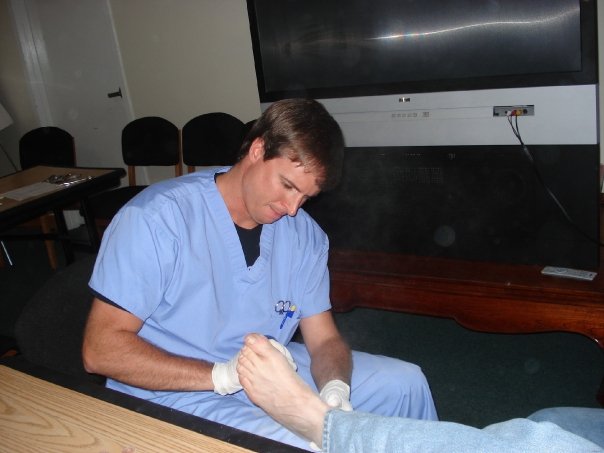
When bending, eyesight, grip, or thick nails make cutting difficult, safe foot care starts with the reason it has become hard. Photo source
The practical search query this article answers is can't reach toenails to cut. It is for an older adult, family member, or carer who can see the nails need attention, but bending, grip, eyesight, pain, thick nails, or fear of slipping makes ordinary nail cutting feel unsafe.
Why reaching toenails becomes difficult
Not being able to reach your toenails is common, and it is not a small problem if nails are catching on socks, pressing into shoes, or making walking uncomfortable. The NHS notes that nails can become thicker or break more easily with age, and it specifically says to see a podiatrist if nails are too tough to cut or you cannot reach them.
The practical issue is usually a mix of several things. Hips and knees may not bend as comfortably. Hands may not grip clippers well. Eyesight may make it harder to see the nail edge. The nail may be thick, curved, crumbly, or painful. A simple task then turns into a balance, skin, and safety problem.
Foot problems also affect daily life more than people expect. Geriatric health guidance points out that foot pain and disorders can make walking and everyday tasks harder, including standing up, using stairs, preparing meals, and using the toilet. That is why foot comfort is linked with independence, not only with neat nails.
What to check before trying to cut them
Before anyone reaches for clippers, check the nail and the person first. Look for pain, swelling, redness, heat, pus, bleeding, broken skin, a nail digging into the toe, sudden colour change, or a wound that is slow to heal. If any of these are present, do not treat it as routine nail cutting.
If a nail edge is painful, swollen, or infected looking, follow the safer route. NHS guidance for ingrown toenails warns that diabetes makes foot problems more serious, and advises medical help if there is pus, a high temperature, or pain and swelling. In that situation, leaving the nail to grow rather than cutting into it may be safer until it is assessed.
If the nail is thick, yellow, brittle, or crumbly, fungus may be one possible reason, but it is not the only one. Mayo Clinic describes nail fungus as causing nails that may be thickened, discoloured, brittle, misshapen, or separated from the nail bed, and advises medical help if there is diabetes, pain, swelling, bleeding, or difficulty walking. That makes worsening thick nail changes a reason to avoid forceful DIY cutting.
When DIY cutting is a bad idea
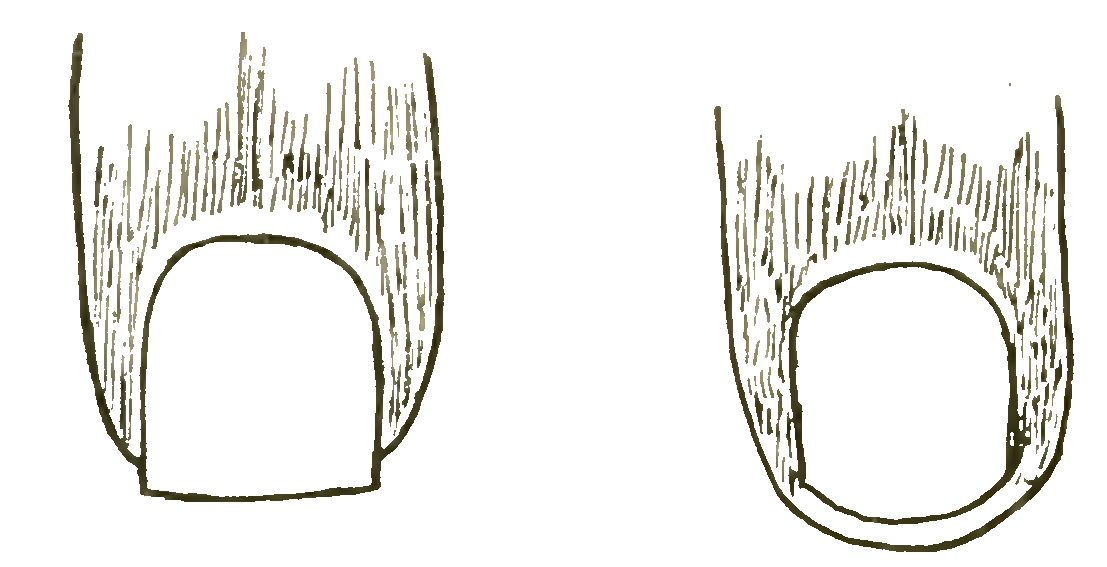
Straight, conservative trimming is safer than cutting deep into the corners, but only when the nail and foot are low risk. Photo source
DIY cutting is a bad idea if the person has diabetes, poor circulation, reduced feeling, a history of foot ulcers, fragile skin, swelling, infection signs, or pain that changes how they walk. It is also risky if the carer cannot see the nail clearly, has to twist the foot awkwardly, or would need to cut a thick nail by force.
Diabetes needs particular care because nerve damage and reduced blood supply can mean small injuries are not felt or do not heal well. Diabetes UK explains that diabetes can affect the nerves and blood vessels in the feet, and warns about symptoms such as loss of feeling, swelling, wounds that do not heal, cramps, shiny skin, and walking becoming more difficult. That makes small cuts on diabetic feet something to prevent, not tidy up afterwards.
US public health foot-care advice gives the same practical boundary: check feet every day, trim toenails straight across, do not try to remove corns or calluses yourself, and visit a foot doctor at least once a year if you have diabetes. For families, the key point is that routine-looking foot care can still be higher risk when feeling or healing is affected.
NICE guidance also recognises that disabled, housebound, or visually impaired people with diabetes may need special arrangements so they can access foot care assessments and treatments. That supports a practical decision: if the person cannot safely reach, see, or feel what is happening, the care route should adapt to the person rather than asking them to struggle.
Why bending to cut nails can create a fall risk
Toenail cutting often happens in a bathroom, bedroom, or chair, with the person leaning forward, lifting one foot, or twisting to see the nail. If balance is already poor, that position can be unsafe. NHS falls advice says not to try tasks you find difficult, including lifting or reaching, and to ask someone to help. For toenails, avoiding awkward reaching is part of staying safe.
Home safety guidance from the National Institute on Aging says many falls happen at home and suggests keeping commonly used items within easy reach, avoiding unsafe reaching, and preparing some tasks while seated to reduce fatigue or loss of balance. The same thinking applies here: a task that forces a risky posture may need a different setup or outside help.
Parkinson’s can add another layer because stiffness, gait changes, freezing, swelling, and balance problems may affect how feet and ankles move. Parkinson’s UK explains that foot and ankle stiffness can change walking pattern and that swelling can make shoes harder to put on. If those issues are present, forcing foot care into an awkward position may be unrealistic.
What can help at home if the foot is low risk
If there is no diabetes, no reduced feeling, no circulation concern, no infection sign, no open skin, and the nails are not painfully thick or ingrown, simple adjustments may help. Cut after washing when nails are a little softer. Use good light. Sit in a stable chair. Keep both feet supported. Trim small amounts. Cut straight across rather than digging down the sides.
Dermatology guidance on nail fungus is a reminder not to assume every thick nail should simply be clipped shorter. The American Academy of Dermatology explains that treatment can involve testing, topical or oral medicines, trimming, or removal in some cases. If a nail keeps becoming thicker or distorted, getting the nail checked before repeated cutting is more sensible than fighting it with bigger clippers.
For carers, the safest help may be preparation rather than cutting. Make sure the room is bright, the person is warm and comfortable, the foot is supported, and the person can stop at any time. If the carer feels they need to pull, twist, hold the toe tightly, use blades, or cut without a clear view, the task has moved beyond ordinary home care.
When home visit foot care makes sense
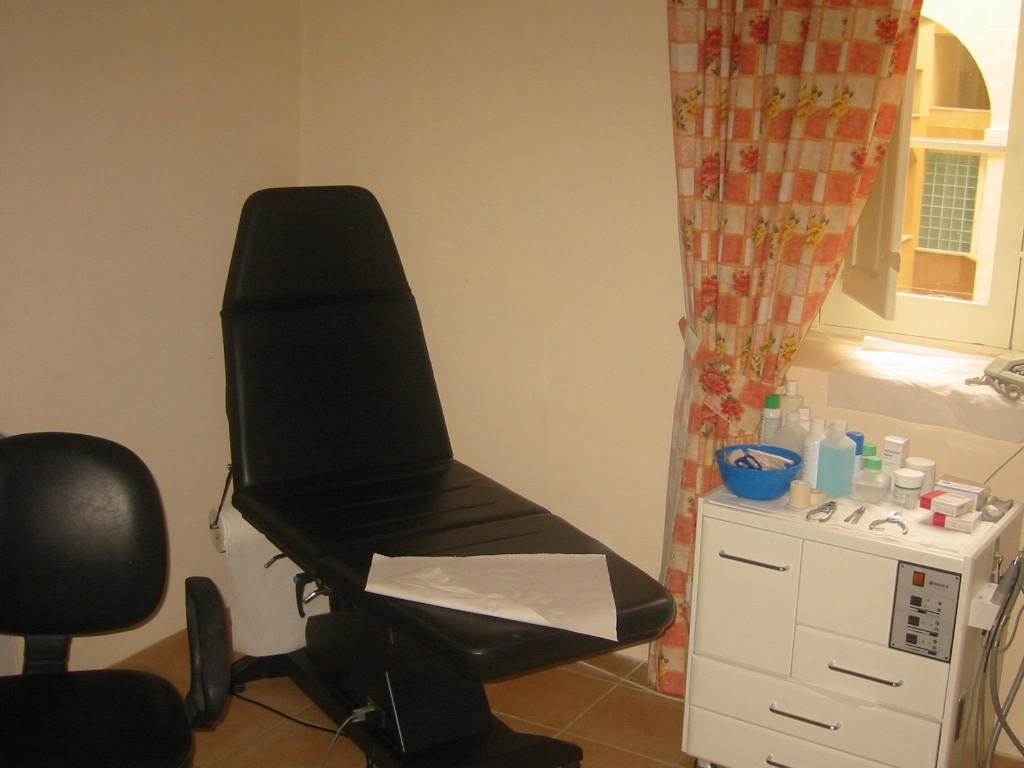
Professional foot care should create a safe, stable setup before nail work starts, whether care happens in a clinic or at home. Photo source
Home visit foot care makes sense when the main barrier is not willingness, but access. That might mean the person cannot bend, cannot travel easily, feels anxious about falling, has painful shoes, relies on a carer, or needs routine nail care before nails become overgrown and uncomfortable.
Age UK’s foot care information captures the same real-life need. It says foot care in later life can relieve pain, reduce infection risk, and lower fall risk, and that services may include toenail cutting for older people unable to look after their feet. It also notes that foot care can sometimes be provided at home if someone is housebound.
If the person needs regulated podiatry care, families can check the professional route as well as the appointment format. The HCPC register exists for health and care professionals who meet standards for training, professional skills, behaviour, and health, so it is sensible to check registration when podiatry is specifically required.
For RMFC, this is where searches like mobile foot care, chiropodist at home, podiatrist at home, and toenail cutting at home become practical rather than abstract. The problem is not just long nails. It is safe access to routine foot care, without asking an older or less mobile person to travel, bend awkwardly, or wait until nails become painful.
How carers can decide the next step
Start with three questions. Is there any medical risk, such as diabetes, poor circulation, reduced feeling, infection signs, or a wound? Is the task physically safe, including balance, bending, grip, and eyesight? Is the nail itself suitable for simple trimming, or is it thick, curved, painful, crumbly, or digging into the skin?
If the answer to any of those questions is uncertain, do not force a DIY solution. GOV.UK explains that a needs assessment can look at help someone may need at home, including healthcare, equipment, adaptations, and support. For families juggling several daily-care problems, asking for wider support at home may sit alongside arranging foot care.
Carers UK makes the same point from the carer side: anyone can request a needs assessment for another person, and it can look at daily tasks and the support needed to manage them. If nail care is one sign that the person is struggling with wider self-care, bringing the wider picture into the conversation can help.
If you are in Surrey and the immediate problem is hard-to-reach nails, thick nails, painful nail edges, or routine foot care that has become difficult, RMFC can help with home visit foot care. The next step is simple: explain what has changed, mention any diabetes or circulation concerns, and book the appointment around the person’s comfort and mobility.
Key Takeaways
- If you cannot reach your toenails, the issue is safety as well as nail length.
- Do not cut nails yourself if there is diabetes, reduced feeling, poor circulation, broken skin, infection signs, or significant pain.
- Thick, curved, crumbly, or painful nails should be checked rather than forced with stronger clippers.
- Bending or twisting to cut nails can increase fall risk for older adults and people with reduced mobility.
- Home visit foot care can help when travel, balance, eyesight, grip, or carer workload makes routine nail care difficult.
Not being able to reach your toenails is a practical sign that foot care may need to change. For some people, a safer chair, better light, and careful straight trimming are enough. For others, especially older adults, people with diabetes, and anyone with reduced mobility or painful nails, home visit foot care is the safer and calmer next step.
Need Professional Foot Care?
Book a home visit and get expert treatment without leaving your house