
Can't Put Socks On: Foot Care Checks
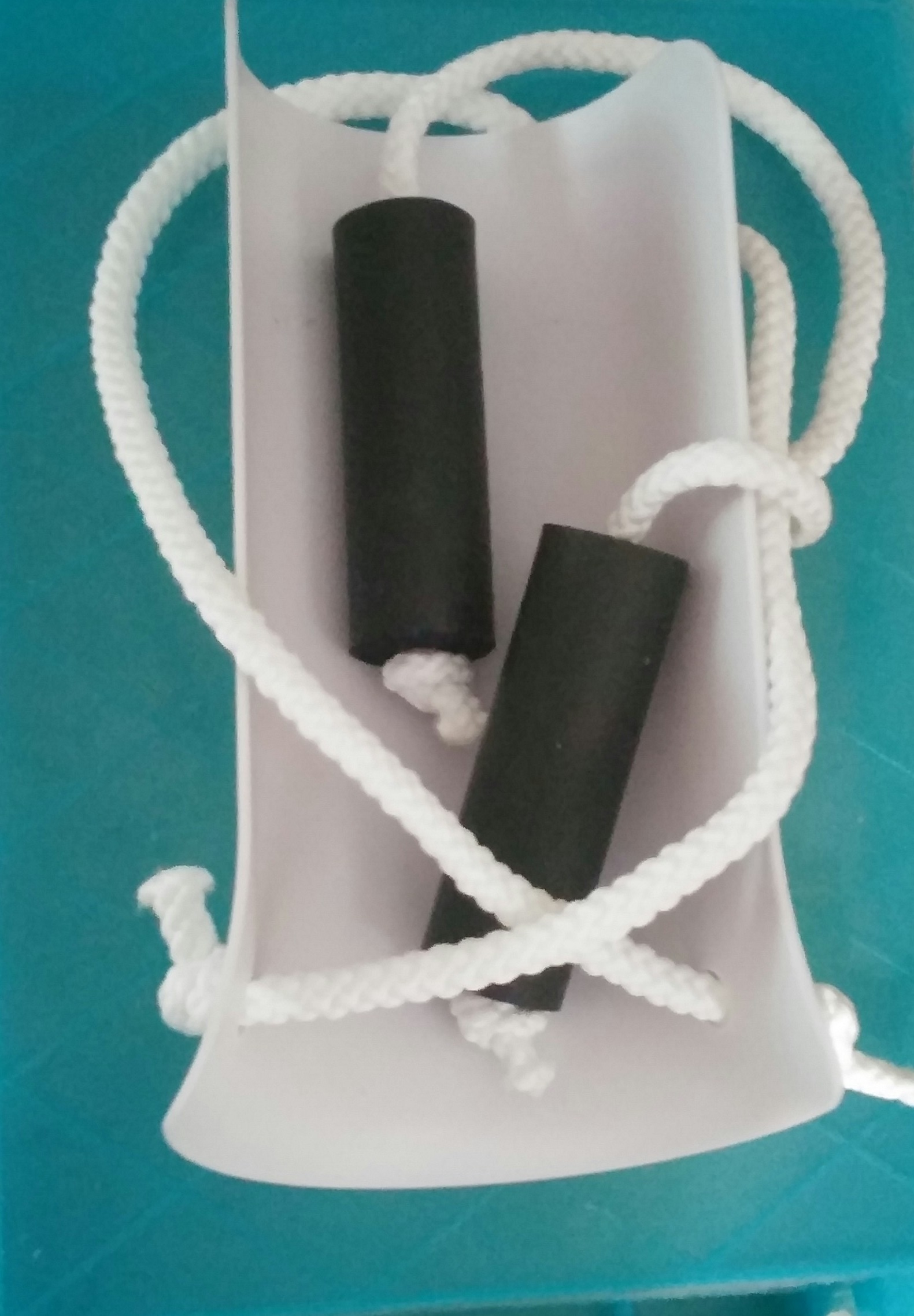
Difficulty putting socks on is often a sign that foot checks, nail care, and safe footwear need a calmer plan. Photo source
The practical search query this article answers is can't put socks on. It is for an older adult, partner, adult child, or carer who has noticed that socks are becoming hard to manage because of bending, pain, swelling, stiffness, poor balance, or reduced reach. This article belongs to the pillar Home visit foot care for older adults, diabetes, and reduced mobility.
Why socks can reveal a foot care problem
Not being able to put socks on can look like a dressing problem, but it often points to a wider foot care problem. If someone cannot bend far enough to pull socks over the toes, they may also struggle to check the soles, dry between toes, cut toenails, notice pressure marks, or see whether shoes are rubbing.
NHS inform describes personal footcare as toenail care, skin care, and checking footwear. It also links looking after feet with comfort, independence, confidence, and reducing falls risk. That is why a sock problem should not be brushed aside. If socks are now difficult, the whole foot care routine may need checking.
Check what is making socks hard
Start by naming the real barrier. Is the person unable to bend? Are hips, knees, hands, or back painful? Is one foot swollen? Are toenails catching on the sock? Are thick nails pressing into the fabric? Is poor eyesight making the task uncertain? Is balance worse when lifting one foot? The answer changes what kind of help is sensible.
Age UK explains that arthritis can cause joint pain, stiffness, inflammation, and limited movement, and advises medical advice when symptoms affect day to day life. If socks have become difficult because bending or hand grip has changed, it may be part of a wider mobility or joint problem, not laziness or fussiness.
The Royal College of Podiatry notes that ageing feet can become drier and more fragile, while long toenails can press against shoes and cause soreness. That matters here because long, thick, curved, or rough nails can catch on socks before anyone notices a bigger problem. Keeping nails under control can protect comfort, walking, and daily activity.
When a sock aid is useful
A sock aid can help some people put socks on while seated, without bending as far. It can be a good option when the feet look healthy, the person understands how to use it, and the main problem is reach rather than pain, wounds, infection, or sudden swelling.
Living Made Easy describes a sock aid as equipment that can help people put socks and stockings on without bending over. Disability Horizons makes the same practical point: putting on socks and shoes, washing feet, cutting toenails, and exercising can all be harder with mobility impairment, joint pain, or dexterity issues. The useful lesson is not that everyone needs a gadget. It is that reduced bending can be worked around, but the rest of foot care still needs attention.
When a sock aid is not enough
Do not treat the problem as only a dressing issue if the sock will not go over swollen toes, a painful corn, a thick nail, a wound, or a sore heel. Do not force tight socks over fragile skin. Do not keep using a sock aid if it drags painfully over nails, catches on skin, or hides a problem that needs checking.
Diabetes changes the threshold. Diabetes UK explains that people with diabetes are more likely to develop serious foot problems, and that reduced feeling can make foot care harder. It advises daily foot checks, careful nail cutting, suitable footwear, avoiding blades and corn plasters, and getting expert advice. If diabetes, reduced feeling, poor circulation, broken skin, redness, swelling, or discharge is involved, get clinical advice rather than forcing socks or DIY treatment.
Make dressing safer before reaching down
If the person is going to try socks independently, set the task up properly. Use a firm chair, good lighting, dry floor, and enough time. Keep walking aids nearby but not underfoot. Avoid standing on one leg to pull a sock up. Choose socks that are clean, dry, not too tight, and not leaving deep marks.
The NHS says local councils can assess the home and recommend equipment or adaptations when someone needs help with everyday tasks or is worried about falling. That matters because the safe answer may be a better chair, grab rail, long handled aid, dressing help, or wider care assessment. If the problem is part of a bigger falls or home safety concern, a home assessment may be more useful than another improvised stretch.
What families should check on the feet
If you are helping a parent or partner, look at the feet before the socks go on. Check toenail length, nail thickness, rough nail edges, corns, callus, cracked heels, redness, pressure marks, swelling, colour change, skin breaks, damp skin between toes, odour, and whether shoes or slippers are leaving marks. Ask whether any area feels sore when walking.
The NHS advises using symptoms and the area of foot pain to decide when to get medical help. That is a useful safety boundary. Routine mobile foot care is not the right first step for sudden, severe, spreading, infected, or medically worrying symptoms. But when the issue is stable and the main barrier is reach, nail care, hard skin, or travel, a planned foot care visit can be much more realistic.
Where home visit foot care fits
Home visit foot care can help when socks have become the clue that feet are being missed. The visit can focus on routine nail care, hard skin, corns, heel cracks, footwear pressure, and practical checks that are hard to do alone. It can also help families understand when a problem looks routine and when medical advice should come first.
For RMFC patients in Surrey, this is the commercial reason the topic matters. A family may search for sock aids, dressing help, home visit foot care, mobile foot care, podiatrist at home, chiropodist at home, or toenail cutting at home because a small daily task has become stressful. A home visit foot care appointment in Surrey can turn that hidden struggle into a safer, clearer routine.
Key Takeaways
- Difficulty putting socks on can mean foot checks, nail care, skin care, and footwear checks are also being missed.
- Identify the real barrier first, such as bending, arthritis, swelling, balance, eyesight, hand strength, or painful nails.
- A sock aid can help with reach, but it does not replace checking the feet properly.
- Do not force socks over swelling, wounds, infection signs, fragile skin, or painful nails.
- Home visit foot care can help when the problem is stable but self care, clinic travel, or safe toenail cutting has become difficult.
When someone cannot put socks on, the answer is not only a gadget or a bit more effort. It is a signal to check whether foot care is still safe, visible, and manageable. If socks are catching on nails, feet are hard to reach, or clinic travel has become unrealistic, planned home visit foot care can help keep the routine calmer and safer.
Need Professional Foot Care?
Book a home visit and get expert treatment without leaving your house