
Callus on Side of Big Toe: What Helps
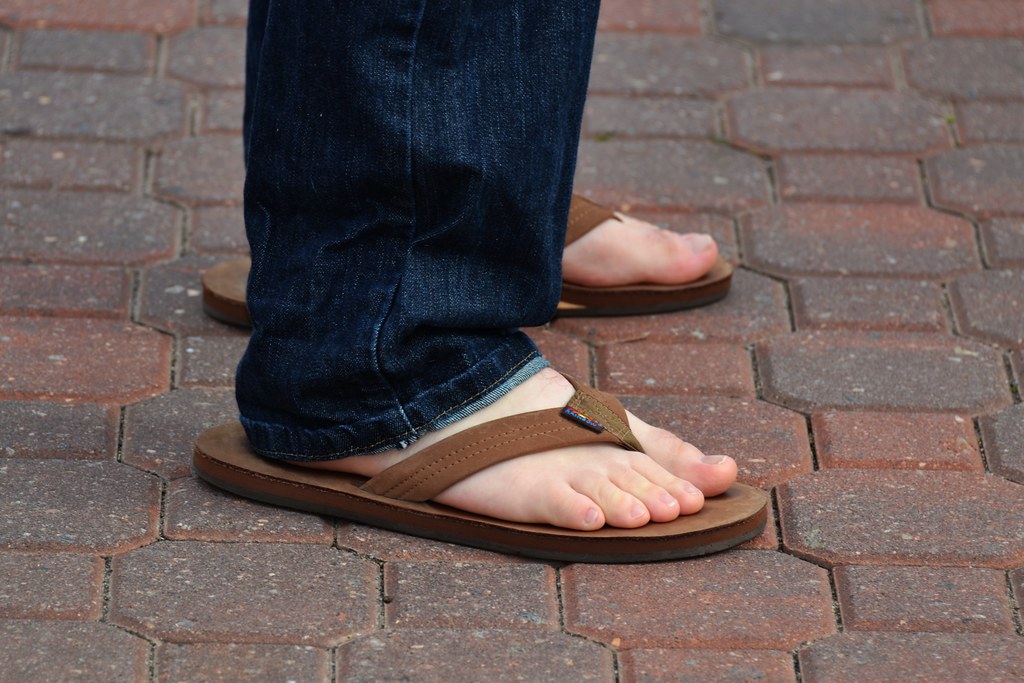
A painful callus on the side of the big toe often starts with repeated shoe pressure, rubbing, or everyday footwear that does not give the big toe enough room. Photo source
The practical search query this article answers is callus on side of big toe hurts. It is for someone who has noticed hard skin on the side of the big toe, pain in shoes, or a sore patch that keeps coming back. This article belongs to the pillar Corn, callus, cracked heel, and skin discomfort relief.
Why the side of the big toe gets sore
A callus is the skin's protective response to repeated pressure or friction. On the side of the big toe, that pressure often comes from a shoe edge, a seam, a narrow toe box, a bunion shape, or the way the big toe pushes against the ground when walking. The hard skin is not usually the original problem. It is a sign that the area is being rubbed or overloaded again and again.
That is why the search phrase matters. People are not only asking what a callus is. They are asking why a specific patch hurts, why it keeps returning, and whether they can remove it safely. The NHS explains that corns and calluses mostly affect feet and toes, and that calluses are larger patches of rough, thick skin. It also warns that pain, bleeding, discharge, diabetes, circulation problems, or no improvement after home care should change the next step.
Mayo Clinic describes corns and calluses as thick, hardened skin that develops when skin tries to protect itself against friction or pressure. In everyday terms, removing pressure matters as much as removing hard skin.
How to tell whether it is callus or a corn
People often use corn and callus as if they mean the same thing. They overlap, but they do not always feel the same. A callus is usually a broader area of thick skin. A corn is often smaller, deeper, and more painful when pressed, especially if there is a central hard core. On the side of the big toe, either can be made worse by footwear pressure.
DermNet describes corns and calluses as localised areas of hard, thickened skin caused by friction and pressure. It also gives examples such as hard skin on the side of the foot from a tight shoe. That makes the location and pressure pattern important clues, not just the look of the skin.
MedlinePlus gives a similar practical explanation: corns and calluses are caused by pressure or friction, often where bony parts of the foot rub against shoes. It advises better fitting shoes, non-medicated pads, gentle reduction with a washcloth or pumice stone, and not shaving the skin off because cutting hard skin yourself can lead to infection.
What you can safely try first
If the skin is intact, there is no diabetes risk, and the pain is mild, start with pressure relief. Check whether the shoe is narrow across the toes, whether a seam sits over the sore area, whether slippers are loose enough to let the foot slide, or whether one pair of shoes always makes the pain worse. A softer upper, wider toe box, cushioned sock, or non-medicated protective pad may reduce rubbing.
Gentle home care should stay gentle. Soaking the foot, moisturising dry skin, and lightly using a foot file may help keep rough skin from building up. Do not cut the callus with scissors, blades, razors, or sharp tools. Do not use strong medicated corn plasters if the skin is fragile, if feeling is reduced, or if diabetes or circulation problems are present.
Cleveland Clinic notes that tight shoes can contribute to corns and calluses, and that people with diabetes or another condition that increases infection risk should contact a healthcare provider for treatment. That is a useful rule for families: low risk skin can be managed cautiously, higher risk feet should not be experimented on.
When home treatment is not enough
Book help, or ask for medical advice first, if the callus is painful when walking, keeps coming back quickly, bleeds, has discharge, looks inflamed, sits over fragile skin, or stops the person wearing normal shoes. Pain that changes how someone walks can also create new pressure elsewhere, so waiting too long can turn one sore patch into several problems.
This matters more for older adults. Health in Aging explains that foot pain can make it harder to get around, and that about one third of older adults have foot pain, stiffness, or aching feet. A small hard patch can therefore affect balance, confidence, shoes, and activity, especially when pain starts limiting normal movement.
For RMFC, the commercial value is clear but patient led: a painful big toe callus is often the point where someone moves from DIY filing to wanting safer callus care, shoe pressure advice, and home visit foot care if travel is difficult.
Diabetes changes the safety rules
If the person has diabetes, do not treat a painful callus as simple hard skin. Diabetes can reduce feeling, slow healing, and increase the risk from small cuts or pressure areas. Diabetes UK advises daily checks, careful nail cutting, properly fitting footwear, moisturising, avoiding blades and corn plasters, and getting expert advice. If feeling has been lost, help from a podiatrist or foot protection service may be needed.
NICE guidance says adults with diabetes should have regular foot checks, including when they think they have a foot problem. Those checks include skin changes, ulcers, hard skin, inflammation, infection, sensation, blood flow, foot shape, and footwear. That means a diabetic callus is also a pressure and risk check, not just a cosmetic patch of skin.
Seek prompt medical advice if there is redness, heat, swelling, discharge, a wound, sudden pain, colour change, numbness, or one foot looking different from the other. Routine foot care should wait until the right route is clear.
What a foot care visit can help with
When the foot is stable and there are no red flags, professional foot care can reduce hard skin safely, check whether the painful area looks like callus or corn, and talk through likely pressure triggers. That might include shoe fit, toe position, bunion pressure, dry skin, repeated rubbing, or a walking pattern that loads the side of the big toe.
A home visit can be especially useful when the person is older, cannot easily travel, struggles to reach their feet, or has tried filing the area but the pain keeps coming back. The aim is not just to make the skin look smoother on the day. It is to make walking and shoes more comfortable while reducing the chance of the same pressure building up again.
For Surrey patients and families, Rithik's Mobile Foot Care can help with callus care at home when the concern is routine hard skin, comfort, and safe reduction. If the signs suggest infection, a wound, diabetes related risk, or a medical foot problem, the safest next step may be GP, NHS 111, urgent care, or an NHS foot protection pathway before routine treatment.
Key Takeaways
- A callus on the side of the big toe usually points to repeated pressure, rubbing, or uneven loading.
- The hard skin may be the visible symptom, but shoe fit and pressure are often the cause.
- Do not cut hard skin yourself with blades, scissors, or razors.
- Diabetes, poor circulation, reduced feeling, wounds, bleeding, discharge, redness, or severe pain should change the next step.
- Home visit foot care can help when the foot is stable and the main issue is safe callus reduction, comfort, and pressure advice.
A painful callus on the side of the big toe is worth taking seriously because it often means the foot is being pressed or rubbed in the same place every day. Start by reducing pressure and avoiding sharp DIY removal. If pain persists, walking changes, shoes become difficult, or diabetes and circulation risks are involved, get safe advice rather than battling the hard skin alone.
Need Professional Foot Care?
Book a home visit and get expert treatment without leaving your house