
Callus Removal Cost: When to Book
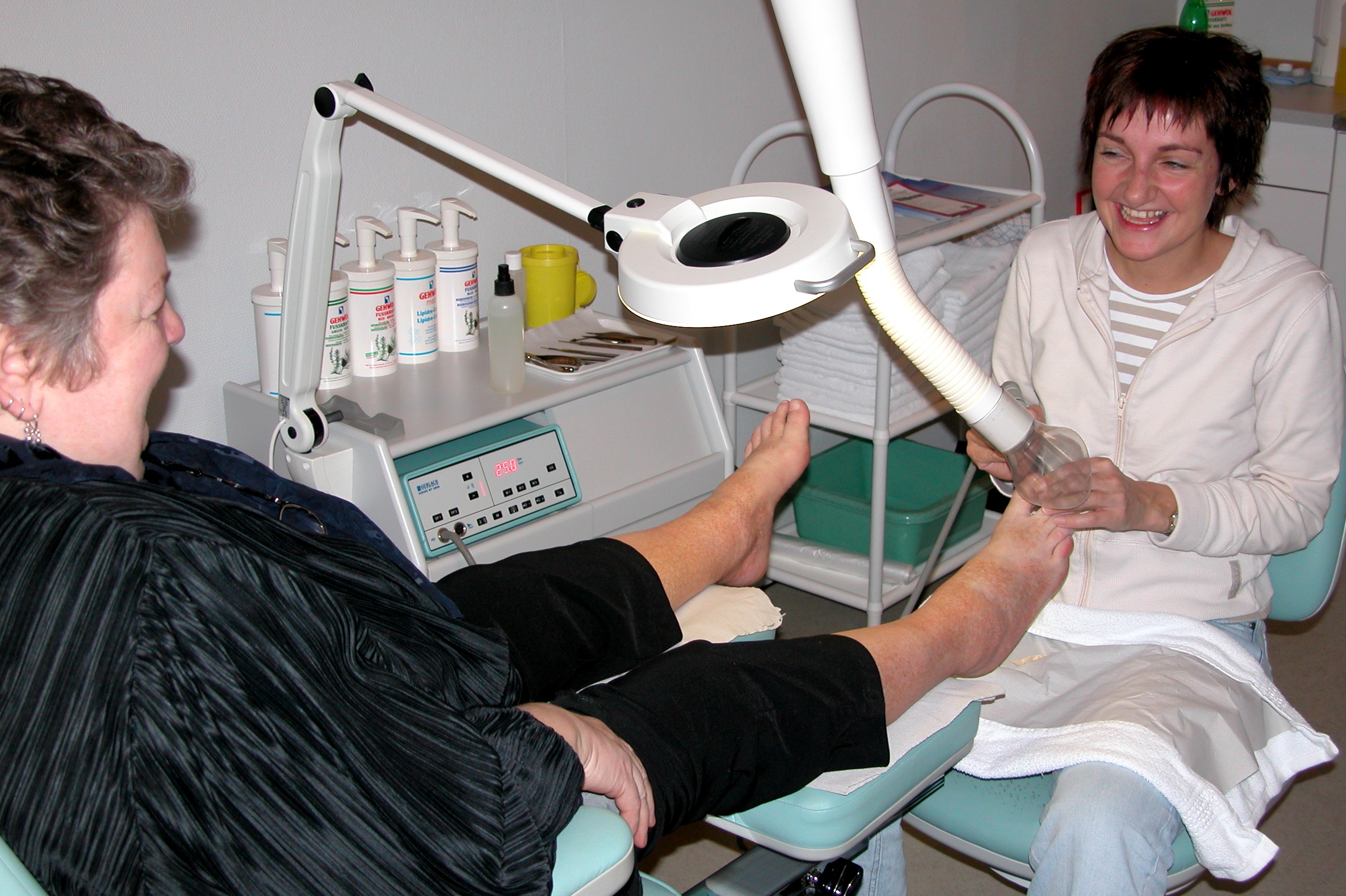
A good callus appointment starts with checking the skin and pressure pattern, not just removing hard skin quickly. Photo source
The practical search query this article answers is callus removal near me cost. It is for someone with painful or recurring hard skin who wants to know whether a professional appointment is worth booking, what can affect the price, and when home visit foot care may be more practical than travelling to a clinic. This article belongs to the pillar Corn, callus, cracked heel, and skin discomfort relief.
Why people search callus removal cost
People usually search for callus removal cost when hard skin has stopped feeling cosmetic. It may hurt when walking, make shoes uncomfortable, keep coming back in the same place, or worry a family member who can see that an older parent is struggling to manage their feet.
The cost question matters because the person is comparing real next steps. They are weighing up whether to keep using creams, files, or cushions, whether to ask a pharmacist, whether to book a private appointment, or whether a home visit foot care appointment would remove the travel barrier.
That is commercially important for Rithik's Mobile Foot Care because near me and cost searches are close to booking intent. The article can answer the anxiety without inventing a fixed price, then guide the reader towards a sensible enquiry if their callus is painful, recurring, hard to reach, or linked with reduced mobility.
For older adults, cost also sits beside access. Age UK notes that foot care services can support older people who are unable to look after their feet, and that some services can be accessed at home for people who are housebound.
What can affect the cost of callus removal
Callus removal is not always priced only by the patch of hard skin. A sensible appointment may need time to check where the pressure is coming from, whether there is a corn as well as callus, whether shoes are rubbing, whether the skin is cracked, and whether the person has diabetes, poor circulation, reduced feeling, or another reason to be more cautious.
Corns and calluses are caused by repeated pressure or rubbing, so removing the pressure is part of the value, not just reducing the hard skin on the day.
A callus on the ball of the foot may need different advice from hard skin around the heel. A painful corn between toes may need pressure reduction rather than repeated digging. A person who cannot bend safely may need the appointment to include routine nail and skin care, not only the one sore patch.
Mayo Clinic describes corns and calluses as thick, hardened layers that develop because of friction or pressure, so the source of pressure matters when judging whether treatment is likely to last.
When self care is enough and when it is not
Basic self care may be reasonable when the skin is not painful, not bleeding, not cracked, and the person is otherwise low risk. Warm water, gentle filing, moisturiser, well-fitting shoes, cushioned socks, and pressure relief can all help when used carefully.
But the line is important. The NHS says people should not cut off corns or calluses themselves, and older people or people with diabetes, circulation problems, or weakened immunity should see a GP or foot specialist rather than trying to treat higher-risk feet at home.
Cleveland Clinic makes the same practical distinction: many corns and calluses are not serious, but people with diabetes or a condition that increases infection risk should call a healthcare provider for treatment.
If the callus is severe, keeps returning quickly, sits over a pressure point, or hurts enough to change how someone walks, booking help is usually more sensible than repeatedly attacking the skin at home. Pain changes walking, and changed walking can create new pressure elsewhere.
Harvard Health also frames corns and calluses around repeated friction and pressure, which is why caution with blades and medicated products is sensible when the foot is vulnerable.
Why diabetes changes the decision
Diabetes does not mean every patch of hard skin is an emergency. It does mean the threshold for advice should be lower. NICE says diabetes foot checks look at skin, hard skin, ulcers, inflammation, infection, foot shape, footwear, feeling, and blood flow. That is a much broader check than simply asking whether a callus hurts today.
Diabetes UK explains that diabetes can damage nerves and blood supply in the feet, so someone may not feel damage properly and cuts or sores may heal more slowly. In everyday terms, small foot changes should not be ignored when feeling or healing is reduced.
If there is diabetes, reduced feeling, previous ulcers, poor circulation, immune suppression, bleeding, pus, discharge, spreading redness, heat, swelling, severe pain, a wound, black tissue, or sudden colour change, do not wait for a routine cost comparison. Ask for appropriate medical advice first.
NICE also says adults with diabetes should have foot checks when they think they have a foot problem, which supports the safer rule that new hard skin concerns in diabetes deserve proper attention.
What happens at a sensible callus appointment
A useful appointment should start with a look at the foot, not a rush to remove hard skin. The practitioner needs to understand where the callus is, whether there is a corn, whether the skin is cracked, whether the area is tender, and whether footwear or foot shape is creating pressure.
DermNet describes pressure relief, well-fitting comfortable footwear, cushions, spacers, orthotics where appropriate, gentle thickness reduction, and podiatry treatment as common parts of corn and callus care. The practical takeaway is that professional value sits in pressure thinking and aftercare, not only smoother skin on the day.
FootCareMD also frames corns and calluses around pressure points, footwear fit, padding, and professional shaving when needed. That supports a simple expectation: treatment should help explain why hard skin keeps forming.
For some people, the best result is immediate comfort. For others, it is a plan: safer filing, better moisturising, checking socks and shoes, using padding carefully, or arranging routine maintenance before the callus becomes painful again.
When home visit foot care is worth considering

Recurring callus often comes back because pressure and footwear fit have not been dealt with. Photo source
Home visit foot care becomes especially useful when the difficulty is not only the callus. It may be the journey, parking, stairs, fatigue, painful walking, dementia, eyesight, grip strength, or a family member trying to arrange care around work.
Age UK notes that foot care services can help older people who are unable to look after their feet, and that some foot care can be accessed at home for people who are housebound. That fits the real search behaviour behind phrases such as home visit foot care, mobile foot care, chiropodist at home, podiatrist at home, and toenail cutting at home.
For RMFC, the strongest fit is a patient or carer in Surrey who needs practical, calm help with painful hard skin, corns, callus, cracked heels, nail care, or repeat foot comfort but finds clinic travel difficult. The appointment is not just about convenience. It reduces the friction that often makes people delay care until walking becomes painful.
Questions to ask before you book
Before booking, ask what the appointment includes. A helpful answer should cover whether the practitioner can assess hard skin and corns, whether they can advise on pressure and aftercare, whether they offer home visits, whether there is a separate first appointment charge, and whether any medical concerns should be checked elsewhere first.
If you are arranging care for a parent or relative, mention diabetes, circulation problems, blood-thinning medication, reduced feeling, previous ulcers, swelling, wounds, infection signs, memory issues, mobility problems, and whether the person can safely sit with both feet accessible. Health in Aging highlights how foot problems in later life can affect comfort and independence, so the appointment should be planned around the person, not only the skin.
The Arthritis Foundation notes that persistent foot pain can affect how someone moves. That matters because ongoing foot pain can quietly change walking and confidence before the person describes it as a serious problem.
A good enquiry can be simple: where the callus is, how long it has been there, whether it hurts, whether it has cracked or bled, what has already been tried, whether it keeps returning, and whether home visit foot care would make treatment easier.
Key Takeaways
- Callus removal cost depends on more than the size of the hard skin. Pain, pressure, recurrence, access, and risk factors all matter.
- Do not cut corns or calluses yourself, especially if you are older, have diabetes, circulation problems, reduced feeling, or immune concerns.
- A useful appointment should check why the callus is forming, not only remove hard skin on the day.
- Home visit foot care can be worthwhile when painful walking, mobility, caring responsibilities, or travel makes clinic attendance difficult.
- If there is bleeding, discharge, spreading redness, severe pain, a wound, diabetes concern, or sudden colour change, seek appropriate medical advice first.
If you are searching callus removal near me cost, the real question is whether the problem is simple hard skin or a painful pressure issue that needs proper care. If the callus is sore, recurring, hard to reach, linked with diabetes or reduced feeling, or making shoes and walking difficult, it is worth asking about professional foot care rather than repeatedly trying to remove it yourself. For people in Surrey who struggle to travel, home visit foot care can make that next step calmer and easier.
Need Professional Foot Care?
Book a home visit and get expert treatment without leaving your house