
Callus on Ball of Foot: What Helps the Pain
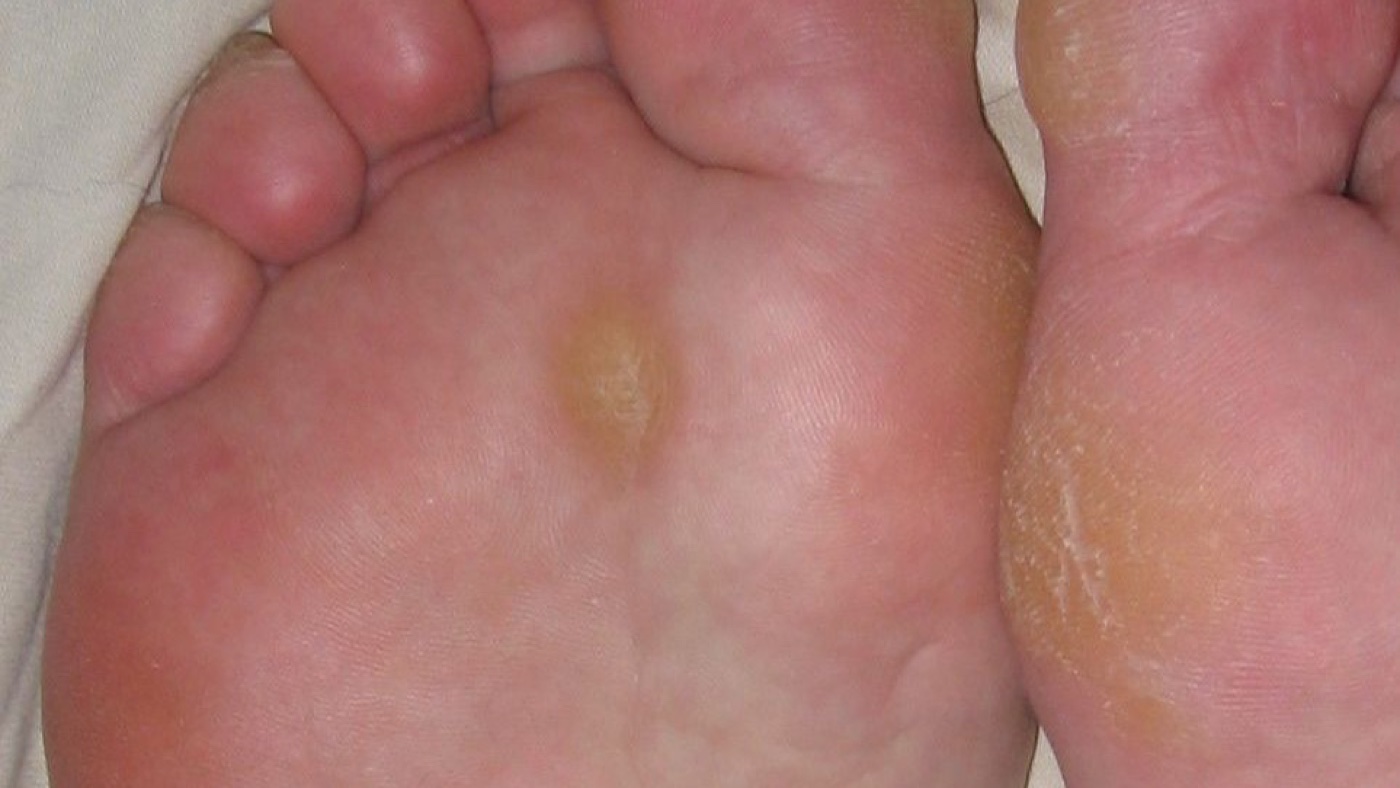
A painful callus under the ball of the foot usually points to pressure, rubbing, footwear fit, or a change in how weight is passing through the foot. Photo source
The practical search query this article answers is callus on ball of foot painful walking. It is for the person, carer, or family member who can see a thick patch of hard skin under the forefoot and wants to know whether it is safe to manage at home, when it needs professional help, and why it keeps hurting in shoes or when walking.
Why a callus hurts under the ball of the foot
A callus is thickened skin that builds up where the foot is repeatedly pressed or rubbed. Under the ball of the foot, that pressure can come from shoe fit, long standing, changes in walking, reduced fat padding, toe shape, swelling, or the way weight moves through the forefoot.
The key point is that the hard skin is usually a response to pressure, not the whole problem. Removing some hard skin may ease the immediate discomfort, but if the pressure pattern stays the same, the callus often comes back.
The NHS describes calluses as larger patches of rough, thick skin that can become tender or painful, and recommends simple pressure reducing steps such as wide comfortable shoes, soft soles, cushioned socks, insoles, and moisturising. Those are useful starting points because they address rubbing as well as skin thickness.
Mayo Clinic explains the same pressure mechanism in plain terms: corns and calluses form when skin protects itself against friction or pressure, and calluses often appear on pressure spots such as the balls of the feet.
Check what the hard skin is telling you
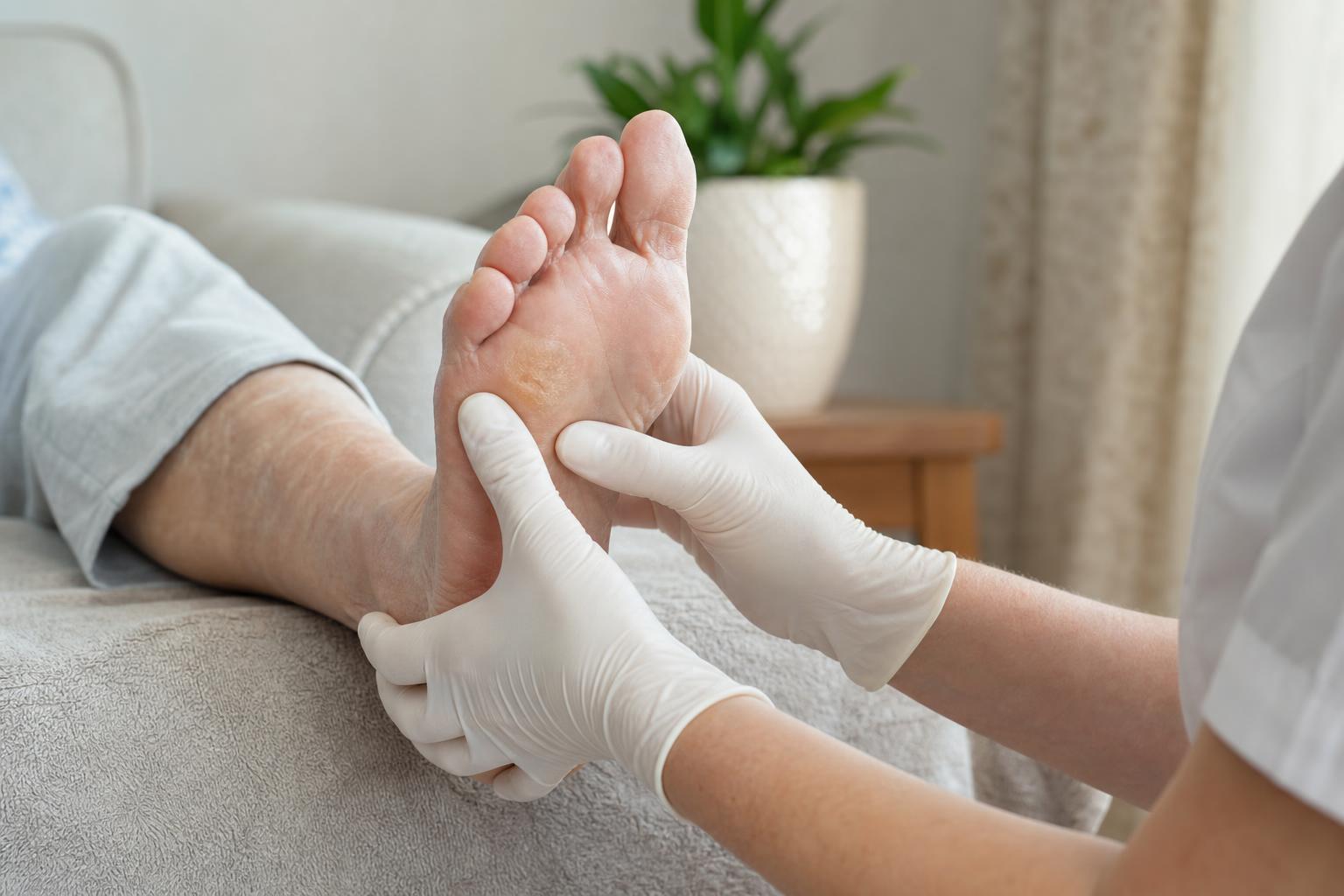
A callus under the forefoot is worth checking in good light before filing, trimming, or covering it. Generated image
Before treating the skin, look at the whole foot. Check whether the callus is flat and broad, whether there is a smaller painful centre, whether the skin is cracked, whether there is bleeding, discharge, redness, swelling, heat, or colour change, and whether pain is only when walking or also at rest.
A broad callus often reflects a pressure area. A small hard centre may behave more like a corn. Pain that feels like walking on a stone can also come from pressure under the metatarsal heads, not only from surface skin.
Foot Health Facts cautions against cutting into a painful callus yourself, sometimes called bathroom surgery, because it can cause cuts and infection. It also makes the important practical point that the callus may return if the underlying cause is not treated.
The Royal College of Podiatry notes that ageing feet can become drier, more fragile, more painful, and more affected by mobility changes. For older adults, that means foot pain should not be treated as something to simply put up with.
What is safe to try at home
If the foot is otherwise healthy, the skin is intact, and the pain is mild, start with pressure relief rather than aggressive removal. Wear wider shoes with a soft sole, avoid tight pointed footwear, use cushioned socks, consider a suitable insole or forefoot pad, moisturise dry skin, and gently file only after bathing if the skin is not broken.
Do not cut the callus with scissors, blades, knives, razors, or sharp clippers. Do not keep filing until the skin is sore. Do not use strong medicated pads if you are unsure whether they are suitable for you.
Cleveland Clinic gives a useful everyday reminder that tight shoes can contribute to corns and calluses, and that most are not serious unless there is an underlying risk. In practical terms, changing the pressure from footwear is often more helpful than repeatedly attacking the skin.
If a pad or insole makes the pain worse, stop using it. Padding should reduce pressure around the sore spot, not increase pressure directly onto it.
When not to treat it yourself
Do not self treat a painful callus if you have diabetes, poor circulation, reduced feeling in your feet, a history of foot ulcers, heart disease, an open crack, bleeding, pus, spreading redness, new swelling, severe pain, or skin that looks blue, black, hot, or infected.
The NHS is clear that people with diabetes, heart disease, or circulation problems should not try to treat corns and calluses themselves because foot problems can become more serious. It also advises medical help if there is bleeding, pus, no improvement after home care, severe pain, or pain that stops normal activities.
Diabetes UK explains why that caution matters. Diabetes can affect feeling and blood supply in the feet, which means pressure, cuts, or sores may not be noticed normally and may heal less well. A painful callus with diabetes should be treated as a foot safety issue, not a cosmetic problem.
NICE guidance on diabetic foot problems reinforces the need for the right route when diabetic foot risk is present. If there is a new wound, infection sign, sudden colour change, or unexplained swelling, medical assessment should come before routine callus care.
Why footwear and walking pattern matter
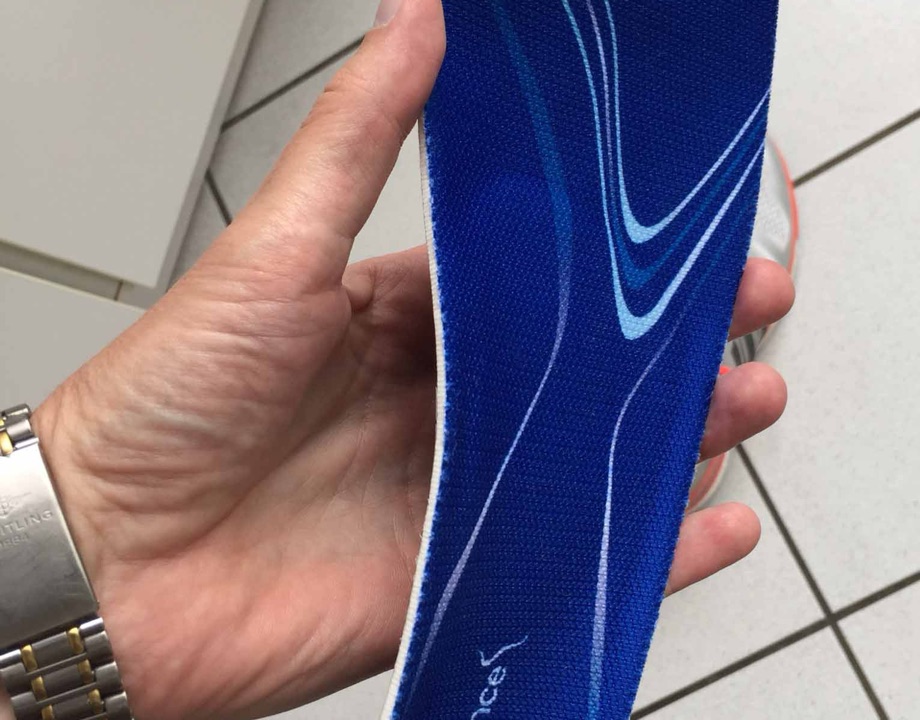
The most useful callus plan often combines careful hard skin reduction with a shoe and pressure check. Photo source
A callus under the ball of the foot often sits exactly where the foot is taking repeated load. Narrow shoes can squeeze the forefoot. Thin soles can make hard floors feel sharper. Slippers with little structure can let the foot slide. A new limp, painful knee, hip stiffness, arthritis, or reduced balance can also change where pressure lands.
This is why a useful foot care appointment should ask where it hurts, when it hurts, what shoes are worn most, whether socks leave pressure marks, and whether the callus returns in the same place. The goal is not only smoother skin. The goal is less painful pressure when standing and walking.
Age UK frames foot care in later life around comfort, infection risk, pain relief, and falls risk. That broader view is helpful because painful feet can affect confidence and movement, especially when an older person is already less steady.
For families and carers, shoes and slippers are worth checking before the visit. Bring out the pair worn most at home, not only the smartest outdoor shoes. The everyday footwear usually explains the pressure pattern best.
When home visit foot care can help
Home visit foot care can help when the callus is painful, the person cannot reach the foot safely, the hard skin keeps returning, clinic travel is difficult, or a family member is worried about cutting too much. A suitable visit can include assessment of the hard skin, careful reduction where appropriate, a foot check, shoe pressure discussion, and advice on what to monitor between appointments.
For people in Surrey searching for mobile foot care, home visit foot care, podiatrist at home, chiropodist at home, or callus removal at home, the commercial problem is usually practical: walking hurts, the skin keeps building up, and travelling to a clinic may be another barrier.
If there are no urgent warning signs and the problem is suitable for routine care, booking a home visit with Rithik's Mobile Foot Care can be a practical next step. If there is diabetes related change, broken skin, spreading redness, pus, sudden swelling, severe pain, feverish symptoms, or a suspected ulcer, seek medical advice first.
Key Takeaways
- A callus under the ball of the foot usually points to repeated pressure or rubbing.
- Pressure relief, footwear changes, moisturising, and gentle filing may help if the foot is otherwise healthy.
- Do not cut callus with blades, scissors, knives, razors, or sharp clippers.
- Diabetes, poor circulation, reduced feeling, broken skin, bleeding, pus, redness, swelling, or severe pain should stop DIY treatment.
- Home visit foot care can help when pain, mobility, hard skin build up, or clinic travel makes routine care difficult.
A painful callus on the ball of the foot is usually a pressure problem showing through the skin. The safest plan is to check the foot carefully, reduce rubbing, avoid sharp DIY treatment, and take diabetes or circulation risk seriously. If the skin is intact and the issue is routine, home visit foot care can help reduce hard skin and make the next steps clearer. If the foot shows warning signs, medical advice should come first.
Need Professional Foot Care?
Book a home visit and get expert treatment without leaving your house