
Blood Thinners and Toenail Cutting: What Is Safe
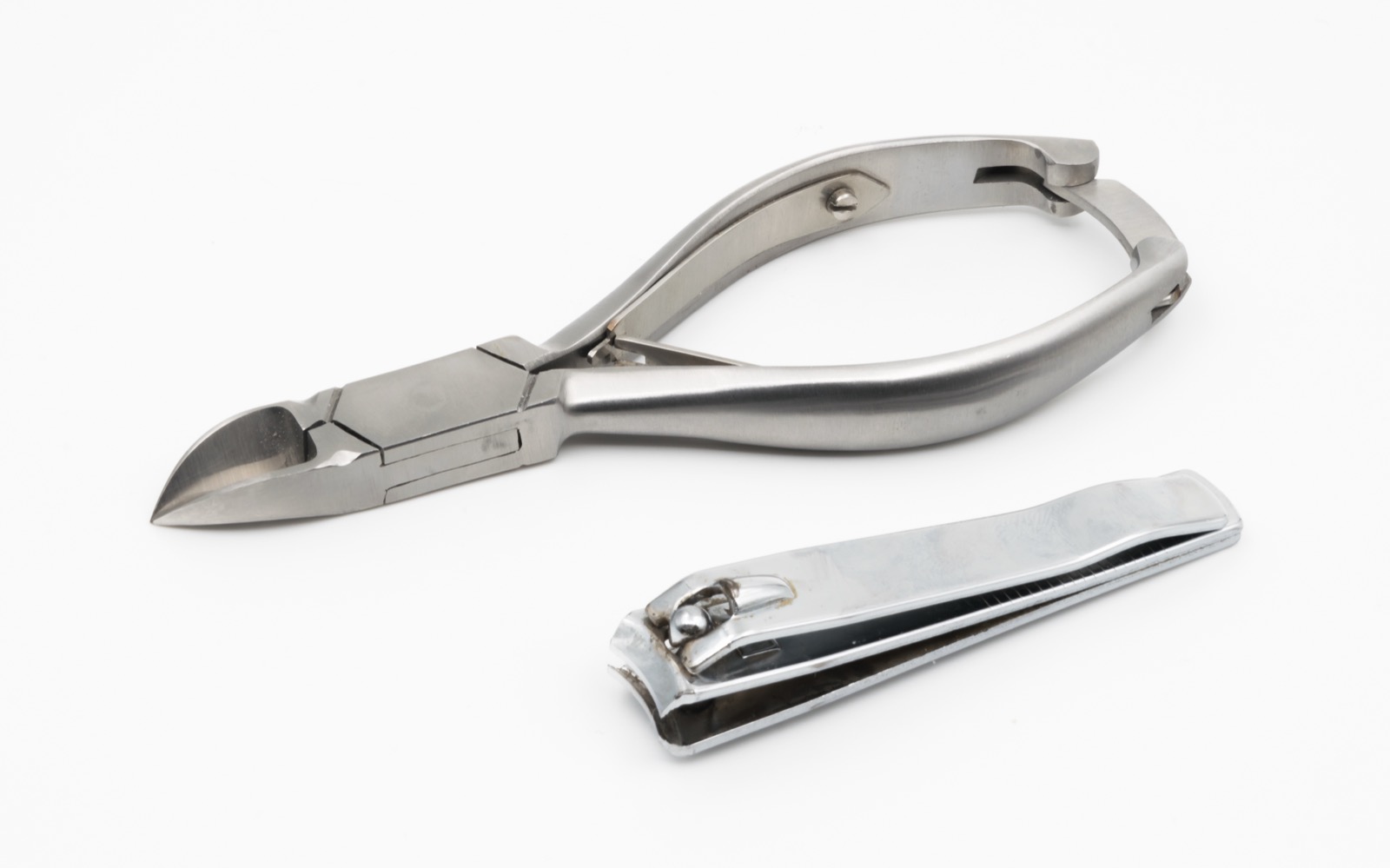
Clean tools and a careful foot check matter more when bleeding risk is a concern. Photo source
The practical search query this article answers is toenail cutting on blood thinners at home. It is for an older adult, carer, or family member who is worried about toenail cutting when someone takes warfarin, apixaban, rivaroxaban, edoxaban, dabigatran, aspirin, clopidogrel, or another medicine that can make bleeding more of a concern.
Why blood thinners change the decision
Blood thinning medicines do not usually mean toenails can never be cut. They do mean the margin for error is smaller. A small nick at the nail edge, a pulled piece of skin, or a cut corn beside the nail can bleed more than expected and can be harder for a carer to manage calmly.
The NHS explains that anticoagulants reduce clotting risk but can also make bleeding a more important side effect. NICE separates oral anticoagulants into medicines such as warfarin and direct oral anticoagulants, which is a useful reminder that families should know the actual medicine name before arranging or attempting nail care.
Commercially, this matters for RMFC because the search usually comes from a practical booking moment. The person needs toenail cutting at home, but the family is unsure whether it is safe to do themselves. A careful home visit can reduce guessing, especially when travel to a clinic is difficult.
What carers should check before cutting
Start with the person, not the clippers. Check whether they take an anticoagulant or antiplatelet medicine, whether they bruise or bleed easily, whether they have diabetes, poor circulation, reduced feeling, fragile skin, swelling, or a previous foot wound.
Older people who cannot look after their own feet may need foot care support, and diabetes or medicines such as warfarin may mean a more specialist service is needed. That is the right tone for families: do not panic, but do not treat blood thinner nail care as ordinary grooming either.
If the nails are long but soft, straight, and easy to see, the risk may be lower. If the nails are thick, curved, crumbly, pressing into skin, painful, or surrounded by hard skin, the job is no longer simple toenail cutting. That is when home visit foot care is often safer than a relative trying to solve it with household clippers.
When not to cut at home
Do not cut at home if the toe is bleeding, weeping, red, hot, swollen, infected looking, very painful, numb, blue, black, or changing quickly. Do not dig down the side of a nail, cut a V shape, pull loose skin, trim corns with blades, or use strong corn plasters near fragile skin.
For cuts and grazes, NHS advice starts with stopping bleeding, cleaning the wound, and covering it. That sounds simple, but on a foot, with poor eyesight, reduced mobility, blood thinning medicine, or diabetes, prevention is better than trying to manage a wound afterwards.
The practical rule is clear: if a family member is worried about what they might cut, they should not be the person cutting it. They can help by looking, noting symptoms, checking medicines, and arranging appropriate help.
Diabetes, circulation and feeling make it more cautious
Blood thinners are not the only risk factor. Diabetes UK explains that diabetes can affect blood supply and feeling in the feet, while NIDDK advises people with diabetes to check for cuts, sores, swelling, blisters, corns, calluses, and ingrown toenails. If someone cannot feel pain normally, damage may happen before they notice it.
Diabetes related foot risk makes nail cutting more cautious because damaged nerves and blood vessels can make injuries harder to notice and slower to heal. That is why regular foot checks and prompt help for changes matter.
Poor circulation also changes the decision. Professional foot health guidance links ageing feet with fragile skin, brittle nails, circulation concerns, and long nails pressing into shoes, so checking nail length, skin condition, and shoe pressure together is safer than looking at the nails in isolation. In that situation, the safest question is not only whether the nail can be shortened. It is whether the whole foot is safe for routine care today.
What a home visit can safely do
A home visit can help when the foot is suitable for routine care and the main problem is access, eyesight, nail thickness, reduced reach, or carer uncertainty. The appointment can check the nail shape, reduce nail length carefully, avoid aggressive cutting, look for pressure from shoes or socks, and explain when GP, pharmacist, NHS podiatry, or urgent advice is more appropriate. If the person specifically needs podiatry level care, checking the right professional registration is sensible.
This is not about making dramatic medical claims. It is about practical risk reduction. Anticoagulant treatment is about balancing clot prevention with bleeding awareness, so families should not stop prescribed medicine for nail care and should avoid creating avoidable bleeding concerns around important heart or clot medicines.
For many RMFC patients in Surrey, the home visit format matters because the same person who needs careful nail care may also struggle with transport, stairs, clinic waiting rooms, or bending to inspect their feet.
How to prepare for the appointment
Have the medication list ready, including blood thinners and diabetes medicines. Put the person in good light with enough space around the chair. Keep socks, shoes, slippers, dressings, and any recent foot letters or diabetes foot check notes nearby.
Do not soak the feet for a long time before the visit unless specifically advised, because over-soft skin can be easier to damage. Practical skin care advice for vulnerable skin supports the same habit: use gentle care and avoid unnecessary skin injury.
If the person has had recent bleeding, a fall, a new medicine change, a hospital stay, or a foot wound, mention it before treatment starts. Small details can change what is safe to do that day.
What to do if a nail bleeds
If a small nick happens, apply clean pressure and follow first aid advice. Do not keep checking every few seconds, because lifting the dressing can restart bleeding. If bleeding is heavy, will not stop, there is something embedded, the person feels unwell, or the wound looks serious, use urgent medical advice.
Older adult health guidance and major clinic resources both treat easy bleeding or bruising as a reason to take medicines and health history seriously. For a family member, the practical takeaway is simpler: know the medicine, avoid risky cutting, and ask for help if bleeding risk is already part of the picture.
A calm plan matters. Keep clean dressings available, know who to call, and avoid turning routine nail care into an emergency by attempting a job that already felt unsafe. If symptoms are unusual, sudden, or severe, wider medical guidance on bleeding that needs attention can help families understand why escalation matters.
The safe decision
If the nails are straightforward and the person has no extra foot risks, careful routine trimming may be fine. If blood thinners are combined with thick nails, diabetes, poor circulation, reduced feeling, swelling, skin breaks, pain, or carer uncertainty, it is sensible to book help rather than force the issue.
This topic sits under home visit foot care for older adults, diabetes, and reduced mobility. It answers a real carer problem: how to keep someone comfortable without creating a cut that could have been avoided. Wider medical references on easy bleeding and bruising reinforce the same practical point: medicines and medical history change what is safe.
If you are arranging toenail cutting for someone on blood thinners in Surrey, start with safety rather than speed. Check the medicine list, look for warning signs, and avoid cutting if the nail or skin already looks difficult. If the foot is suitable for routine care, Rithik's Mobile Foot Care can provide careful home visit foot care and clear next steps.
Key Takeaways
- Blood thinners do not automatically stop toenail care, but they make avoidable cuts more important.
- Check the medicine list, diabetes status, circulation, feeling, swelling, skin condition, and nail shape before deciding.
- Do not cut painful, infected looking, bleeding, very thick, curved, or skin embedded nails at home.
- Do not stop prescribed blood thinning medicine for nail care unless a qualified clinician tells you to.
- A home visit can help when routine care is suitable but travel, reach, eyesight, nail thickness, or carer worry makes self care unsafe.
Blood thinners make toenail cutting a judgement call, not a panic. If the nail is simple and the foot is healthy, routine care may be enough. If there is diabetes, poor circulation, reduced feeling, thick nails, fragile skin, bleeding worry, or uncertainty, arrange help before cutting. The aim is simple: comfortable feet without an avoidable wound.
Need Professional Foot Care?
Book a home visit and get expert treatment without leaving your house