
Blister on an Elderly Foot: What to Check
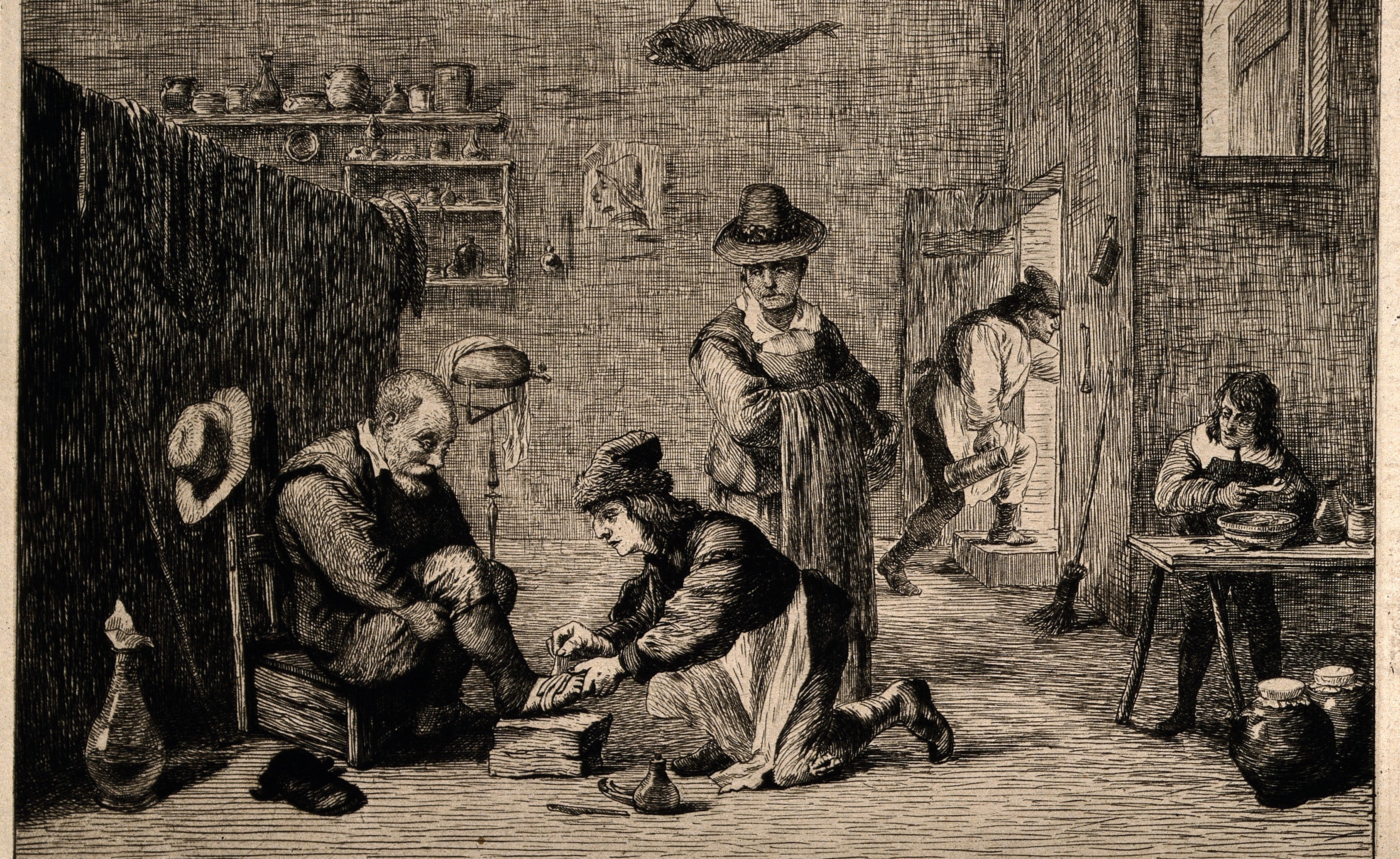
A blister on an older foot should be checked before routine nail cutting, filing, or hard skin work continues. Photo source
The practical search query this article answers is blister on elderly foot what to do. It is for an older adult, spouse, daughter, son, carer, or family member who has noticed a new blister and is deciding whether to protect it, keep walking, trim nails, book home visit foot care, or seek medical advice. This article belongs to the pillar Home visit foot care for older adults, diabetes, and reduced mobility.
Start by protecting the blister
A blister on an elderly foot is usually a sign that skin has been rubbed, pressed, burned, or irritated. The first step is not to cut, file, or treat nearby hard skin. Pause routine foot care and look at the blister calmly in good light.
The NHS advises keeping a blister clean, covering it with a soft plaster or padded dressing, and not bursting it yourself. That makes protecting the blister and reducing infection risk the safest starting point for most simple blisters.
This matters commercially for RMFC because people searching this query are often close to asking for mobile foot care, podiatrist at home, chiropodist at home, or toenail cutting at home. They need to know whether routine home foot care is suitable today or whether medical advice should come first.
What to check first
Look at the blister without pulling the skin. Check whether it is intact or burst, whether the fluid is clear, bloody, yellow, or green, whether the surrounding skin is hot or swollen, and whether the person has new pain, a bad smell, discharge, feverish symptoms, or feels generally unwell.
Blister fluid, surrounding heat, colour change, swelling, and pain all help you decide whether this looks like simple rubbing or something that needs prompt clinical advice. Do not assume it is minor just because the blister started small.
If the blister has burst, wash hands before touching the area and avoid peeling away the skin flap. The skin over a blister can act as a natural cover, so picking or trimming it can turn a small problem into broken skin.
When diabetes changes the answer
If the person has diabetes, a foot blister deserves extra caution. Diabetes can reduce feeling, affect circulation, and make foot problems more serious before they look dramatic. A person may not feel that a shoe, seam, nail edge, or dressing is still rubbing.
Diabetes UK advises daily foot checks and getting help quickly for changes such as blisters, cuts, redness, swelling, discharge, or loss of feeling. For families, that means a new blister with diabetes should lower the threshold for advice.
NHS inform explains that diabetic foot problems can be linked to nerve damage, reduced blood flow, infection, and ulcers. If there is diabetes plus an open blister, spreading redness, warmth, swelling, discharge, colour change, or feeling loss, clinical advice should come before routine foot care.
Why older skin needs a gentler plan
Older feet can have thinner skin, drier skin, less natural padding, thicker nails, toe shape changes, swelling, and reduced mobility. That means a blister may come from more than one cause, and a small patch of rubbing can keep reopening if the pressure is not removed.
The Royal College of Podiatry notes that ageing feet may be affected by dry fragile skin, brittle nails, bunions, clawing toes, corns, and cracked skin. That makes a whole foot check more useful than only looking at the blister.
Patient.info describes how ageing feet can be affected by reduced padding, swelling, nail changes, and poorer blood supply. For a family member, slower healing and pressure should be part of the decision, especially if the blister sits under a toe, heel, bunion, or shoe seam.
Find the rubbing or pressure source
A blister will often return if the original rubbing continues. Check the inside of shoes and slippers with your hand. Look for raised seams, grit, worn insoles, tight straps, damp socks, rough stitching, pressure from a bunion, or one toe rubbing another.
Healthdirect explains that friction commonly causes blisters and that comfortable, well fitted shoes can reduce the chance of friction blisters. For older adults, removing the repeated rubbing is as important as covering the skin.
Pressure matters too. NICE pressure ulcer guidance focuses on risk assessment, skin inspection, mobility, and pressure, which is a useful reminder that skin damage and pressure risk should be considered together when someone has reduced mobility or spends long periods sitting or lying.
What not to do at home
Do not burst a blister yourself unless a clinician has told you how and why. Do not cut away blister skin. Do not file over it. Do not use corn plasters, acid liquids, blades, or strong hard skin removers on or near broken skin.
The skin barrier is part of foot care, not something to work around so nail cutting can continue. If skin is open, torn, weeping, or newly painful, routine filing and hard skin work should wait.
Fragile older skin can tear more easily and heal more slowly. If a blister has torn or is slow to settle, protecting the area is safer than trimming, picking, or trying stronger over the counter products.
When to seek medical advice
Get medical advice promptly if the blister is very painful, keeps returning, looks infected, is hot, has green or yellow fluid, has spreading redness, is caused by a burn or scald, or appears with other unexplained blisters. Seek advice sooner if the person has diabetes, poor circulation, reduced feeling, a previous ulcer, immune problems, or is generally unwell.
The skin over an unbroken blister can help protect against infection. That is why higher risk situations, including diabetes, poor circulation, reduced feeling, or repeated blisters, should be treated more cautiously rather than managed by cutting or bursting at home.
If privacy, dignity, or family support affects whether the foot can be checked safely, plan that too. A foot check at home should still protect personal comfort, explain what is happening, and avoid making the person feel rushed or exposed.
Where home visit foot care fits
Home visit foot care can help once the blister is protected, healing, and safe for routine care, especially if the underlying problem is thick nails, sharp nail edges, hard skin, footwear pressure, dry skin, reduced mobility, or difficulty reaching the feet.
Age UK describes foot care services for older people who find it difficult to care for their feet, including nail cutting, corns, calluses, advice, clinics, and some home visits. That supports getting practical support before small foot problems become harder to manage.
For families in Surrey, Rithik's Mobile Foot Care can help with suitable routine mobile foot care when the skin concern has settled or when nail and hard skin problems may be contributing to rubbing. If there is an active wound, infection concern, diabetic foot change, or severe new pain, medical advice should come first.
Key Takeaways
- Do not burst, pick, cut, or file over a blister on an elderly foot.
- Check whether the blister is intact or burst, what colour the fluid is, and whether there is heat, swelling, spreading redness, discharge, smell, or severe pain.
- Diabetes, poor circulation, reduced feeling, previous ulcers, or slow healing mean advice is safer sooner.
- Look for the cause, including shoe seams, slippers, socks, toe pressure, sharp nails, swelling, or reduced mobility.
- Home visit foot care may help later, but an open, infected, worsening, or high risk blister needs medical advice before routine treatment.
A blister on an elderly foot is not automatically an emergency, but it should pause routine nail cutting, filing, and hard skin treatment until the skin has been checked. Protect it, look for infection or diabetes warning signs, remove the rubbing source, and get medical advice when risk is higher. Once the skin is safe for routine care, RMFC can help with calm home visit foot care that reduces future rubbing from nails, hard skin, footwear pressure, and mobility difficulties.
Need Professional Foot Care?
Book a home visit and get expert treatment without leaving your house