
Black Toenail: What to Check at Home
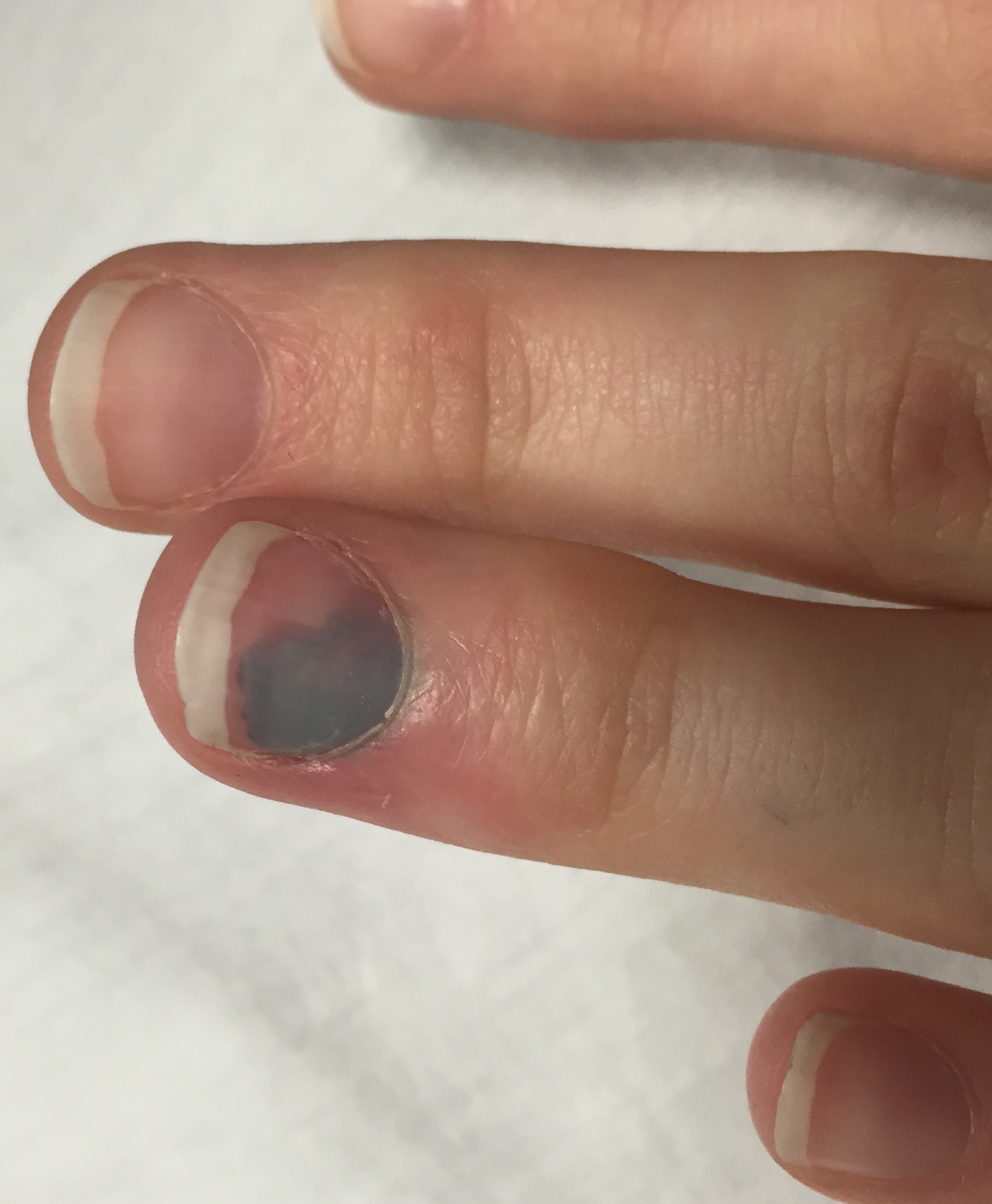
A black or dark toenail needs a careful check before anyone tries to cut, file, or cover it. Photo source
The practical search query this article answers is black toenail what to do. It is for an older adult, carer, or family member who has noticed a toenail turning black, purple, brown, or very dark and is unsure whether it is bruising, pressure from shoes, fungal nail change, diabetes related risk, or something that needs medical advice before routine foot care.
Start with what changed
A black toenail can look alarming, but the safest first step is calm observation. Ask when the colour appeared, whether there was a knock, tight footwear, a long walk, new shoes, a fall, recent nail cutting, bleeding under the nail, swelling, discharge, pain, or a spreading dark line.
Toe pain guidance lists causes such as injury, swelling around the nail, tight shoes, and changes in toe colour, and it cautions people not to diagnose the cause of toe pain by guessing. That is a useful frame for families because a dark nail is not only a cosmetic issue. It is a change that should be checked in context before anyone clips deeply or files aggressively.
For RMFC, this topic matters commercially because the search often happens at a decision point. Someone is ready to arrange toenail cutting at home, mobile foot care, or a chiropodist at home, but the nail looks unusual and the family wants to know whether routine care is still appropriate.
Common reasons a toenail turns black
One common reason is blood trapped under the nail after pressure or trauma. Subungual haemorrhage is bleeding under a nail, often caused by injury or repeated pressure. On a toenail, that can happen after tight shoes, stubbing the toe, walking more than usual, or a nail pressing inside footwear.
Another possibility is nail thickening or fungal nail change. Fungal nail infection can make the nail thicker, discoloured, brittle, crumbly, painful, or lifted, and a lifted nail can collect debris that makes the nail look darker. If the nail is thick and hard to cut, the problem may be less about colour alone and more about pressure, nail shape, and safe reduction.
A dark vertical band or colour that does not seem linked to trauma needs more caution. Cleveland Clinic explains that melanonychia can appear as brown, grey, or black colour in a fingernail or toenail, and that nail changes should be assessed because causes range from trauma to underlying conditions. That does not mean most dark toenails are cancer. It does mean a new, unexplained, persistent dark streak should not be ignored.
When not to cut or file the nail
If the nail colour or skin looks unusual, checking comes before cutting. Photo source
Do not cut, dig, or file the nail if the toe is very painful, swollen, hot, red, weeping, bleeding, numb, blue, black around the skin, or getting worse quickly. Do not cut down the side of the nail, lift the nail, pull loose skin, or try to drain blood under the nail at home.
If a dark nail follows a clear injury and pain is severe, the toe may need medical advice rather than routine foot care. NHS toe pain advice tells people to contact NHS 111 if they think a toe may be broken, which is a useful boundary for families after a fall, crush injury, or sudden bruising.
If the colour is a dark streak, widening band, pigment spreading onto nearby skin, or a mark that is not moving out as the nail grows, get it checked by a GP, dermatologist, podiatrist, or another appropriate clinician. The American Academy of Dermatology warns that melanoma can develop under or around nails, even though it is rare, so unexplained nail pigment deserves proper assessment.
Diabetes and poor circulation make it more urgent
If the person has diabetes, poor circulation, reduced feeling, kidney disease, a previous foot ulcer, or slow healing, treat a new black toenail as more than a grooming problem. A small injury can be missed when feeling is reduced, and a minor break in the skin can become harder to heal.
Diabetes UK explains that a minor foot problem such as a blister can quickly become infected and become serious, especially for people already at high foot risk. NIDDK gives the same practical message: diabetes can reduce feeling and blood flow, so cuts, sores, blisters, swelling, corns, calluses, and ingrown toenails need regular checking rather than guesswork.
For a carer, the safe action is simple. Look in good light, check both feet, ask about feeling and pain, note any change, and avoid home cutting if there is broken skin, infection concern, or uncertainty. If the person has diabetes and the nail has changed suddenly, professional medical advice should come before routine foot care.
What a carer can check safely
A carer can help without becoming the person who treats the nail. Check whether the colour is under the nail or on the skin, whether the nail is loose, whether footwear is rubbing, whether there is a cut, whether socks show blood or discharge, and whether the person can feel gentle touch around the toe.
Older feet can have thinner, more fragile skin, slower healing, pain, reduced mobility, and nail changes. The Royal College of Podiatry links ageing feet with routine care needs and conditions such as diabetes and arthritis, which is why a dark nail should be viewed alongside the whole foot, not in isolation.
It also helps to take a dated photo for comparison, especially if the person cannot inspect the foot easily. If the dark mark moves outward as the nail grows after a known knock, that is different from a fixed or widening band. Do not rely on this alone, but it gives a clinician or foot care professional clearer information.
When home visit foot care can help
Home visit foot care can help when the foot is suitable for routine care and the main problem is nail thickness, awkward reach, poor eyesight, reduced mobility, or uncertainty about safe cutting. The appointment can reduce nail length carefully, check for pressure points, avoid unnecessary skin damage, and explain when GP, pharmacist, podiatry, or urgent advice is the better route.
Age UK notes that local foot care services often support older people who cannot look after their own feet, including basic nail cutting and guidance. That matches the practical need behind many searches for mobile foot care, toenail cutting at home, podiatrist at home, and chiropodist at home.
For RMFC patients in Surrey, the home visit format is useful when travel is part of the problem. If the dark nail looks suitable for routine care, the visit can keep nail care manageable. If it looks medically concerning, the right outcome is not forced treatment. It is clear advice to get the nail checked through the correct route.
The safe decision
If a toenail turns black after a clear minor knock and the toe is otherwise comfortable, it may be enough to monitor the nail and avoid shoe pressure. If there is pain, swelling, discharge, broken skin, diabetes, poor circulation, reduced feeling, sudden colour change, or an unexplained dark streak, do not treat it as ordinary nail cutting.
The safest sequence is check, decide, then cut only if routine care is appropriate. If you are arranging home visit foot care in Surrey and a toenail has turned black, Rithik's Mobile Foot Care can help with careful routine nail care where suitable and can point you towards medical advice when the nail needs assessment first.
Key Takeaways
- A black toenail can be caused by trauma, pressure, thick nail change, fungal nail change, or less common but important causes that need assessment.
- Do not cut or file the nail if the toe is painful, swollen, infected looking, bleeding, loose, numb, or changing quickly.
- Diabetes, poor circulation, reduced feeling, and previous foot wounds make a new dark nail more urgent to check.
- A carer can safely observe, photograph, check footwear pressure, and arrange help, but should not dig under or down the side of the nail.
- Home visit foot care can help when routine nail care is suitable, but unexplained pigment or red flags need the right medical route first.
A black toenail is not something to panic about, but it is something to check properly. Look for the story behind the change, check the whole foot, take diabetes and circulation seriously, and avoid cutting if the nail or skin looks unsafe. Good foot care starts with knowing when routine help is enough and when medical advice should come first.
Need Professional Foot Care?
Book a home visit and get expert treatment without leaving your house