
Can Back Pain Make Foot Care Unsafe?
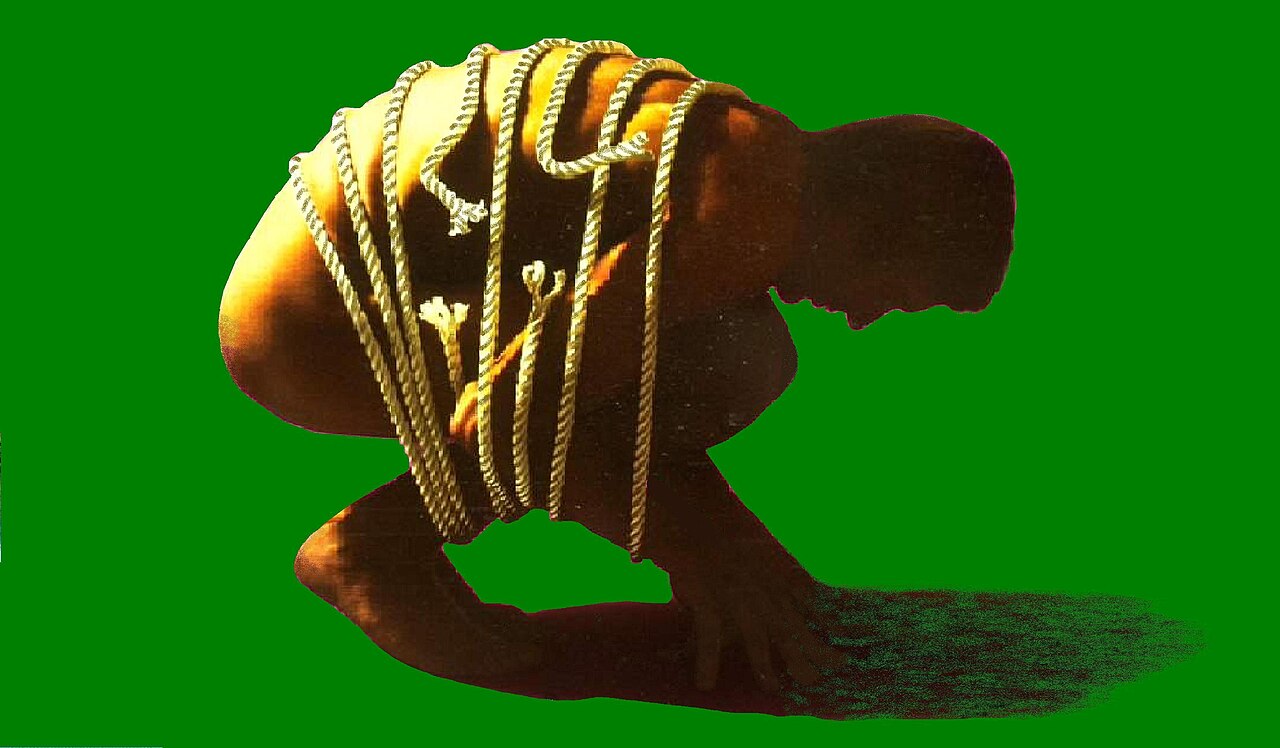
Back pain can make ordinary foot care unsafe when reaching, balance, or visibility are compromised. Photo source
The practical search query this article answers is can't reach toenails back pain. It is for an older adult, partner, carer, or family member who has noticed that back pain is making foot care harder, riskier, or easier to put off. This article belongs to the pillar Home visit foot care for older adults, diabetes, and reduced mobility.
Why back pain changes foot care
Back pain can turn ordinary foot care into a risky task. Toenail cutting, drying between toes, checking heels, putting socks on, and looking inside shoes all need bending, twisting, balance, hand control, and enough time. When the back hurts, the person may rush, cut blind, sit awkwardly, or stop checking their feet altogether.
Back pain is common, and many episodes improve, but it can still stop day to day activities and make people struggle to cope. If back pain is now stopping someone reaching their feet, the foot care routine needs changing rather than forcing the same old method.
For older adults, the foot problem and the back problem often overlap. Ageing feet can become drier, more fragile, and more difficult to manage, and long toenails can press against shoes or become sore. If back pain means nails are being left longer, rougher, or thicker, foot discomfort can then make walking and movement harder too.
When DIY cutting becomes unsafe
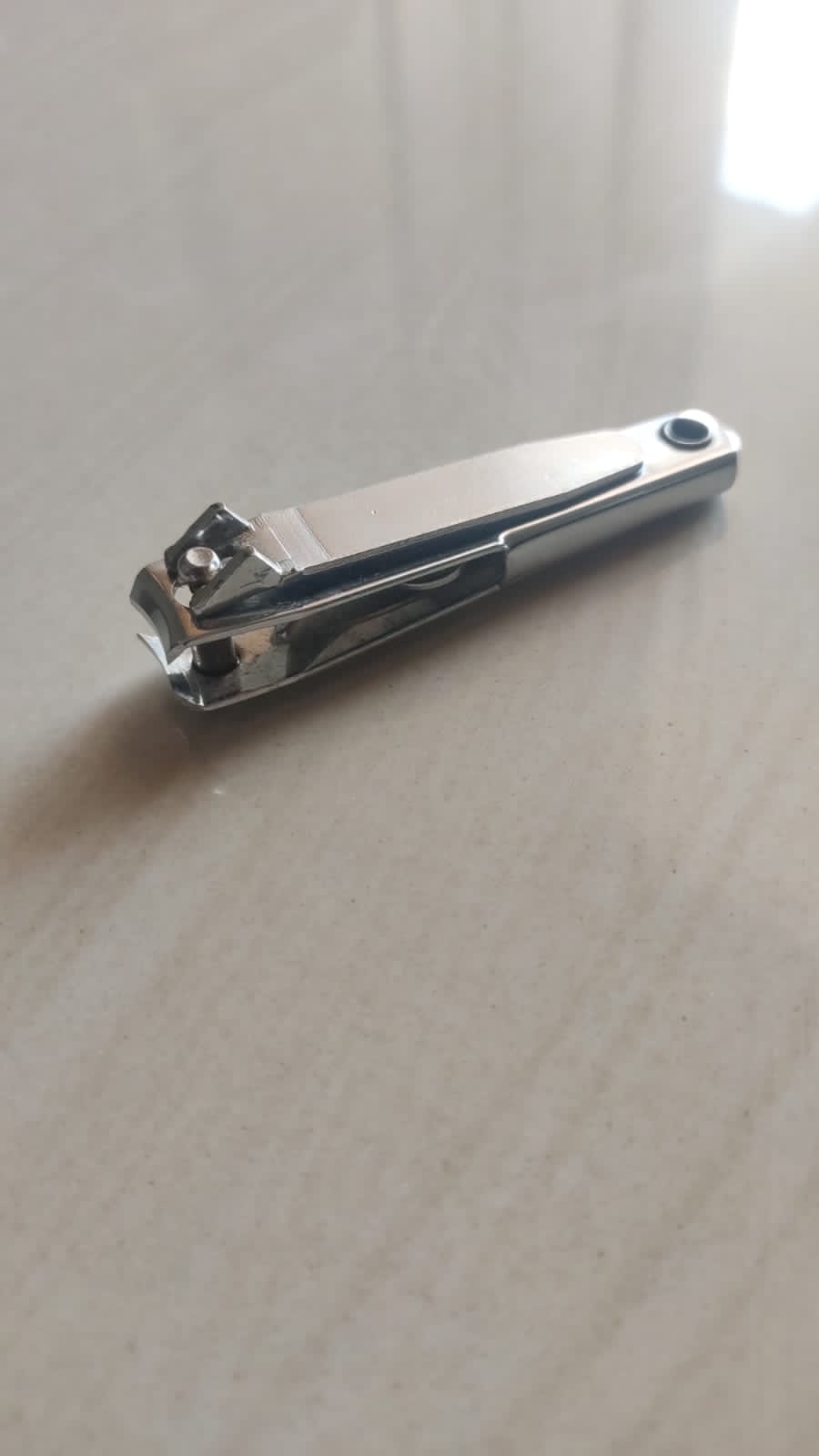
Clippers are not the starting point if pain, poor reach, diabetes, or an unstable seated position makes cutting unsafe. Photo source
Do not cut toenails just because they look long if the person cannot get into a steady seated position. Cutting becomes riskier when the person has to hold their breath, lean sharply forward, twist through pain, lift one leg onto an unstable surface, or cut by feel because they cannot see the nail edge properly.
There are also foot warning signs that should pause routine care. Broken skin, bleeding, spreading redness, heat, swelling, discharge, sudden colour change, severe pain, numbness, or a wound should not be treated as a normal trimming job. If the problem looks new, painful, infected, or medically worrying, use appropriate medical advice first.
Diabetes raises the caution level. If feeling in the feet is reduced, foot checks are harder and small injuries can be missed. Sensible diabetes foot care includes regular checks, careful nail cutting, well fitting footwear, avoiding blades and corn plasters, and getting expert advice when needed.
What to check before reaching down
When back pain affects foot care, the room setup, chair, lighting, and mobility support matter before anyone reaches down. Photo source
Start with the setup, not the clippers. The person should be seated on a firm chair, with good light, dry floor, glasses if needed, and enough time. The foot should be supported without strain. If they are balancing on one leg, using a low soft sofa, reaching from the edge of a bed, or trying to cut in a hurry, the setup is already too risky.
Back pain that does not improve, stops day to day activities, comes with worrying symptoms, or follows a serious accident needs the right medical route. For ordinary mechanical back pain, staying active can help, but that does not mean forcing a painful foot care position.
If the issue is mainly reach, equipment can sometimes help. Long handled aids, better seating, rails, or home adaptations may make daily tasks safer. A local authority home assessment can look at practical barriers such as falls risk, transfers, stairs, bathroom access, and everyday tasks that are becoming difficult.
How families can help without making it awkward
A family member might notice the problem before the person mentions it. Nails may be catching on socks, shoes may be harder to put on, or the person may avoid washing and drying their feet because bending hurts. Raise it calmly. This is about comfort and safety, not criticism.
Useful questions are simple. Can you reach both feet comfortably? Can you see the nail edge? Does bending make your back worse afterwards? Are any toes sore in shoes? Is there diabetes, poor circulation, numbness, blood thinner use, or fragile skin? Has a fall, surgery, or new mobility problem changed what is safe?
Family support is useful, but it should not become risky manual handling or rushed personal care. Older adult foot care guidance connects regular checks, safer nail care, footwear, pain, and falls confidence, which is why missed foot care should be treated as a mobility issue, not only a grooming issue. The same principle used in wider musculoskeletal risk management applies at home: awkward posture, force, repetition, and poor setup all increase strain. If helping with feet puts the carer into a twisted or unsupported position, the task needs a safer plan.
Where home visit foot care fits
Home visit foot care can be useful when the foot problem is stable, but self care or clinic travel has become unrealistic. That might mean toenails are too hard to cut, bending is too painful, a partner cannot help safely, shoes are causing pressure, or the person cannot sit comfortably long enough to manage the task alone.
Practical independence resources often focus on making daily tasks easier with the right equipment and support. That matters here because the goal is not to prove someone can still do everything alone. It is to keep the routine safe, visible, and manageable. If bending is the barrier, the answer may be a mix of aids, better setup, and outside help. Local older-person foot care services also show the same pattern: when people cannot look after their feet, toenail cutting and basic guidance may need to happen in a clinic, day centre, or at home when housebound.
For RMFC patients in Surrey, this is the commercial reason the topic matters. A person may search for back pain foot care, cannot reach toenails, toenail cutting at home, mobile foot care, podiatrist at home, or chiropodist at home because a simple routine has become unsafe. A calm home visit foot care appointment in Surrey can focus on practical nail care, hard skin, corns, cracked heels, footwear pressure, and when medical advice should come first.
A safer plan for the next week
If the feet look healthy and the main barrier is bending, do not wait until nails become painful. Plan help before the person starts cutting from a strained position. If there is diabetes, poor circulation, numbness, a wound, infection signs, severe pain, or sudden swelling, pause routine care and ask for clinical advice.
If clinic travel is the barrier, look at home visit foot care rather than letting the routine disappear. Older adults can lose confidence when pain affects walking, footwear, and social activity, so foot comfort and mobility should be treated as connected.
If the back problem is part of a bigger health or mobility picture, ask about assessment and support rather than making foot care a private struggle. The national care route for disabled equipment explains how people can apply for equipment through local services, and clinical guidance on diabetes foot problems reinforces the importance of risk checks. In practical terms, home support can sit alongside routine foot care, while higher risk feet need the right clinical pathway.
Key Takeaways
- Back pain can make toenail cutting unsafe when reaching, seeing, sitting, or balance are compromised.
- Do not force DIY foot care from a painful or unstable position.
- Diabetes, numbness, wounds, swelling, redness, discharge, or severe pain should pause routine care.
- Families can help by checking, asking calmly, and arranging support instead of attempting risky cutting.
- Home visit foot care can help when the problem is stable but bending, self care, or clinic travel has become difficult.
Back pain does not automatically mean someone needs professional foot care. But it does mean the old routine may no longer be safe. If reaching the feet now causes pain, balance worries, rushed cutting, or missed checks, change the plan. For many families, a home visit is the practical next step because it keeps foot care calm, visible, and easier to manage at home.
Need Professional Foot Care?
Book a home visit and get expert treatment without leaving your house