
Athlete's Foot in Older Adults: What Helps
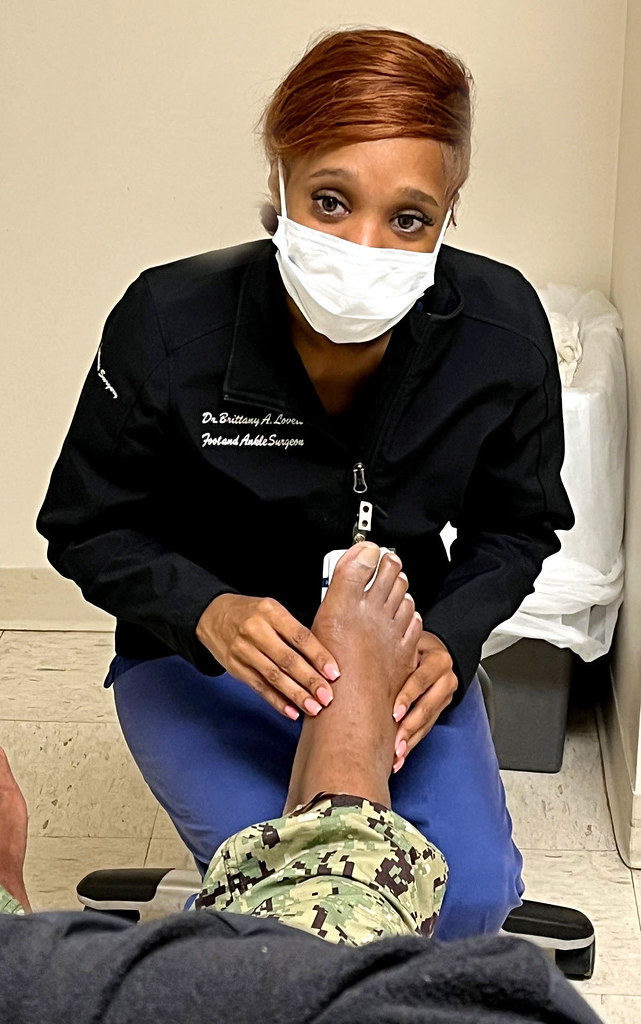
Itchy, white, cracked, or sore skin between older toes is often manageable, but diabetes, broken skin, or infection signs change the next step. Photo source
The practical search query this article answers is athlete's foot in older adults. It is for an older person, partner, adult child, or carer who has noticed itchy, white, cracked, peeling, or sore skin between the toes and is unsure whether to use pharmacy treatment, improve drying, book home visit foot care, or seek medical advice. This article belongs to the pillar Home visit foot care for older adults, diabetes, and reduced mobility.
Why skin between older toes gets sore
Athlete's foot is a common fungal skin infection, but the name can be misleading. You do not need to be sporty to get it. Warm, damp skin between the toes can give fungus a place to grow, especially when feet stay in shoes, socks, slippers, or compression hosiery for long periods.
The NHS describes athlete's foot as causing itchy white patches between the toes, with skin that can become sore, flaky, cracked, or bleeding. That description matters because families often notice the skin first during washing, dressing, toenail cutting, or a home foot care visit, then search for what to do next. Itchy white skin between the toes is a useful early clue, but it is not the only possible cause of soreness.
This topic matters commercially for RMFC because the search usually comes with a real care barrier. The person may struggle to bend, dry properly between the toes, see the skin clearly, change socks, manage nails, or attend a clinic. Those problems sit close to home visit foot care, mobile foot care, podiatrist at home, chiropodist at home, and routine toenail cutting at home.
What athlete's foot can look and feel like
Warm shoes, damp socks, and toe spaces that are hard to dry can keep irritation going. Photo source
Between the toes, athlete's foot may look white, soggy, flaky, cracked, or red. It may itch, sting, burn, smell different, or feel sore when the toes rub together. Some people also get scaling on the sole or side of the foot.
The Royal College of Podiatry explains that athlete's foot often affects the space between the fourth and fifth toes, and can cause itching, cracking, blistering, peeling, or fissures. In everyday terms, the small toe spaces are worth checking carefully, not just the nails or the sole.
DermNet describes tinea pedis as a dermatophyte fungal infection that can appear between the toes, on the sole, or around the side of the foot. It also notes that other skin conditions can look similar. That is why persistent or unusual symptoms should not be guessed at for weeks, especially in an older person.
What to try first if the skin is intact
If the skin is intact, the person is otherwise well, and there are no diabetes or circulation concerns, the first step is usually careful drying, cleaner sock routines, and advice from a pharmacist about antifungal treatment. Do not pick, scrape, or cut sore skin between the toes.
The NHS says a pharmacist can recommend antifungal creams, sprays, or powders, and that treatment may need to continue after symptoms improve to stop the infection coming back. The practical lesson is simple: do not stop treatment just because the itching eases unless the product advice says to stop.
Cleveland Clinic also stresses finishing the full course of antifungal medicine because symptoms can fade before the infection is fully treated. If the skin improves then returns quickly, unfinished treatment or ongoing dampness may be part of the pattern.
Choose changes the person can actually maintain. Dry gently between toes after washing, change socks if they become damp, avoid sharing towels, let shoes air when possible, and avoid tight footwear that keeps toes pressed together. If bending is difficult, a carer may need to help, but consent and dignity still matter.
When older adults need extra caution
Careful drying between the toes is one of the most practical daily steps, especially when bending is hard. Photo source
Age changes the decision. Older adults may have thinner skin, poorer eyesight, less flexibility, swelling, reduced sensation, or shoes that rub. A small crack between the toes can become painful because it is hidden, damp, and under pressure whenever the person walks.
The MSD Manual explains that athlete's foot is encouraged by moisture in warm areas between the toes and that treatment includes antifungal medicine and measures to keep feet dry. For home care, dryness is part of treatment rather than an afterthought.
If nails are long, thick, or pressing into neighbouring toes, the skin between the toes may stay irritated. Routine mobile foot care may help once the skin is safe, but sore skin should be checked first. The order matters: skin safety, then routine nail and hard skin care.
Reduced mobility can also make recurrence more likely. If someone sits for long periods in slippers, cannot remove socks easily, or cannot inspect the little toe spaces, the same damp problem may return even after a pharmacy cream works.
Diabetes changes the threshold for help
If the person has diabetes, do not treat cracked, bleeding, blistered, numb, or infected looking skin between the toes as a simple cosmetic issue. Diabetes can affect feeling and blood flow, so damage may be missed and healing may be slower.
Diabetes UK explains that diabetes can increase the risk of foot problems and that checking feet every day helps spot changes early. For families, a new split or sore patch between toes should be acted on early, not hidden inside socks for another week.
The CDC gives similar everyday advice for people with diabetes, including checking feet daily, looking between toes, and getting early treatment for cuts, sores, blisters, or changes. That makes between toe checks part of routine diabetes foot safety, even when the problem looks small.
Seek medical advice promptly if there is spreading redness, heat, swelling, pus, a bad smell, an open wound, increasing pain, fever, sudden colour change, new numbness, or diabetes concern. A home foot care appointment should not replace urgent clinical assessment when warning signs are present.
When home visit foot care can help
Home visit foot care can help when the immediate skin risk is low and the person needs practical support with nails, hard skin, toe comfort, footwear checks, and spotting changes between visits. It is especially useful when travel, bending, balance, eyesight, or confidence makes clinic care difficult.
A routine visit may also uncover why the problem keeps coming back: toes pressed together, shoes that trap moisture, rough nail edges, difficulty drying, or socks that stay damp. Those details are often easier to see in the person's normal home routine than in a rushed family check.
If someone is specifically looking for a podiatrist or chiropodist, the HCPC register explains that it keeps a register of health and care professionals who meet its standards. Checking professional registration can help families understand who they are booking, while routine foot health support may be described differently depending on the provider.
For Rithik's Mobile Foot Care patients in Surrey, the safest route is to describe the skin clearly before booking: where it is, whether it is itchy, white, cracked, wet, bleeding, painful, smelly, or linked with diabetes. If it sounds routine and safe, a home visit may help with ongoing foot comfort. If warning signs are present, medical advice should come first.
Key Takeaways
- Athlete's foot in older adults often shows as itchy, white, cracked, peeling, or sore skin between the toes.
- Drying between the toes, changing damp socks, airing shoes, and pharmacist advised antifungal treatment can help when the skin is intact and risk is low.
- Diabetes, broken skin, bleeding, spreading redness, swelling, pus, bad smell, severe pain, colour change, or new numbness need medical advice rather than routine foot care alone.
- Home visit foot care may help once the skin is safe, especially if nails, footwear, bending, eyesight, or mobility are making the problem harder to manage.
- The practical order is skin safety first, then routine nail, hard skin, and comfort care.
Athlete's foot in an older adult is usually a practical care problem as much as a skin problem. The skin between the toes needs to be seen, dried, protected, and treated appropriately. If the skin is intact and the person is low risk, pharmacist advice and better drying routines may be enough. If diabetes, broken skin, infection signs, severe pain, or colour change are involved, get medical advice first. Once the skin is safe, home visit foot care can help keep nails, toe spaces, footwear, and daily checks easier to manage.
Need Professional Foot Care?
Book a home visit and get expert treatment without leaving your house