
Athlete's Foot Between Toes: What to Check
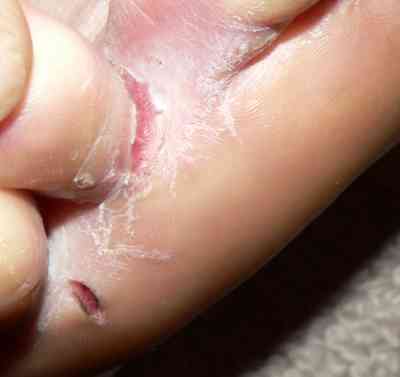
Athlete's foot often starts between the toes, where warm damp skin makes fungal infection easier to miss. Photo source
The practical search query this article answers is athlete's foot between toes. It is for someone who has itchy, white, peeling, sore, or cracked skin between the toes and wants to know what to check before using a pharmacy treatment, waiting it out, or booking home visit foot care.
Why symptoms start between the toes
Athlete's foot is a fungal skin infection, also called tinea pedis. It commonly affects the spaces between the toes because shoes, socks, sweat, and tight toe spaces can leave the skin warm and damp. Search results for this topic consistently led to symptom pages because people are usually trying to match what they can see, such as itchy white patches between the toes, peeling, soreness, or cracking.
The pattern matters because between toe skin can look minor at first. It may be pale, soggy, flaky, split, itchy, or sting when washed. Professional podiatry guidance describes athlete's foot as causing itching, cracked, blistered, peeling, redness, and scaling, and notes that it can begin between the fourth and fifth toes before spreading.
Not every sore toe space is athlete's foot. Dry skin, eczema, pressure between toes, soft corns, dermatitis, psoriasis, or bacterial infection can sometimes look similar. Dermatology guidance describes tinea pedis as a dermatophyte infection but also lists other skin conditions that can resemble it, which is why persistent, painful, spreading, or unusual changes should not be guessed at for weeks.
What to check before treating it
Start with a calm check of the skin, not a scrape or dig. Look between every toe, then check the soles, sides of the feet, toenails, and the skin around the nail edges. Patient guidance notes that symptoms can include itchy white or scaly rash and painful splits between the toes, and that the rash can spread along the toes or towards the nails if it is left untreated.
Then check what has changed recently. New shoes, warmer weather, heavier sweating, damp socks, shared towels, swimming pools, changing rooms, slippers worn all day, or shoes that are not allowed to dry can all keep the skin damp. Clinical guidance lists risk factors such as occlusive footwear, contaminated surfaces, humidity, and increased sweating.
It is also worth checking the toenails. Athlete's foot and fungal nail infection can sit close together, and untreated skin infection can sometimes spread towards the nails. MedlinePlus gives the simple prevention rule to keep feet clean, dry, and cool, and to keep toenails clean and clipped short, which is difficult for many older adults who cannot reach their feet safely.
Why it keeps coming back
Athlete's foot often returns because the environment that helped it start is still there. A cream may improve the itch, but the toe spaces may remain damp, the same shoes may be worn every day, or the person may stop treatment as soon as the skin feels calmer.
Practical UK management advice focuses on the environment as well as medicine: keep feet cool and dry, rotate shoes every few days, wear absorbent socks, avoid scratching, and dry carefully between the toes after washing. It also advises against tea tree oil as a recommended treatment, which is useful for people tempted by stronger home remedies.
Treatment still needs to be completed properly. Antifungal medicines work by killing the fungus or stopping it growing, and pharmacy products are not suitable for everyone, so people should check the packet or ask a pharmacist. Treatment advice also stresses that stopping too early can make recurrence more likely, even when the itch has started to settle.
Warm, moist toe spaces are the repeated theme across medical sources. MSD Manual explains that foot sweating can trap moisture in the warm areas between toes and that the infection can spread from communal showers, bathrooms, or other moist areas. The day to day fix is rarely dramatic, but it has to be consistent.
What is safe to try first
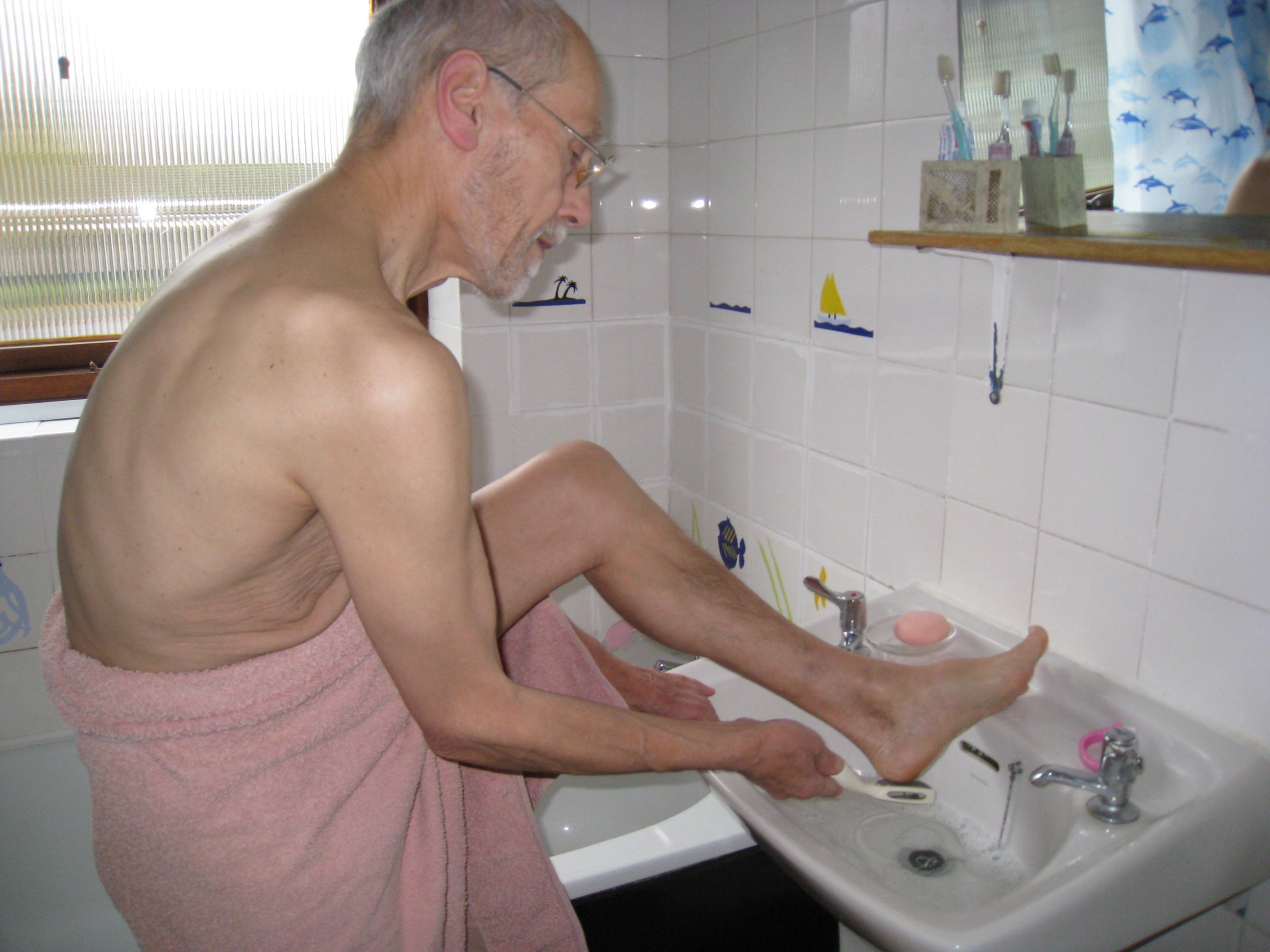
Daily washing helps, but drying between the toes is the step that is easiest to miss. Photo source
If the foot is low risk and symptoms are mild, a pharmacist is usually the sensible first stop. Over the counter antifungal creams, sprays, or powders are commonly used, and healthcare guidance describes topical antifungals as the usual first option for mild, non extensive fungal foot infection.
Do not cut, scrape, peel, or dig at the skin between the toes. The useful routine is gentler: wash the feet, dry between the toes by dabbing, use a separate towel for the feet, change socks daily, avoid sharing towels or footwear, and let shoes dry between wears. The most practical prevention advice is to dry feet thoroughly after washing, especially between the toes.
Avoid putting moisturiser between the toes unless a clinician has specifically told you to. Diabetes foot care training material warns that cream between the toes can make skin macerated and peeling, leaving it more prone to fungal infections. Moisturiser may help dry heels and soles, but toe spaces usually need careful drying rather than extra moisture.
If symptoms are not improving, the skin is very sore, the rash is spreading, or you are not sure it is athlete's foot, get advice rather than moving to harsher home treatment. Mayo Clinic notes that a professional may diagnose athlete's foot by looking, but may sometimes take a small skin sample to rule out other conditions.
When diabetes or older age changes the answer
Diabetes changes the threshold for getting help. A small split between the toes can matter more if feeling, circulation, healing, or infection risk is already a concern. Diabetes UK explains that nerve damage can mean people damage their feet without noticing, and reduced blood supply can make cuts and sores heal less well.
NICE says diabetes foot checks should look at skin changes, ulcers, sores, hard skin, signs of inflammation or infection, footwear, foot shape, feeling, and blood flow. That means athlete's foot symptoms in a person with diabetes should be treated as part of a wider diabetes foot risk check, not just as an itchy patch.
Daily checking is especially important when the person cannot feel changes clearly. Public health advice for diabetes includes checking feet every day for cuts, redness, swelling, sores, blisters, corns, or calluses, and wearing shoes that fit well and socks.
Older adults may notice the problem late because they cannot see between the toes, cannot bend safely, or are worried about asking for help. Age UK notes that foot care in later life can reduce pain, infection risk, and falls risk, and that foot care may be available at home if someone is housebound. Health in Aging also links foot problems with difficulty walking, climbing stairs, and daily activities, which is why skin discomfort can become a mobility issue rather than just an itch.
When to stop waiting and get help
Do not keep self treating if the foot or leg is hot, painful, red, swollen, producing discharge, bleeding, worsening quickly, or if the infection seems to be spreading to the hands, nails, or other areas. NHS guidance says to see a GP if pharmacy treatment does not work, there is a lot of pain, the foot or leg is hot, painful and red, the infection spreads, or the person has diabetes or a weakened immune system.
A practical test is whether the skin problem is changing behaviour. If the person is avoiding shoes, walking less, sleeping badly because of itching, wearing damp slippers all day, or asking a family member to check between their toes, the problem is no longer just a minor skin annoyance.
For people in Surrey, home visit foot care can help when the main barrier is checking, reaching, drying, nail care, or ongoing routine foot care. If there is diabetes with new broken skin, spreading redness, heat, swelling, discharge, sudden pain, or reduced feeling, medical advice should come first.
How a home visit can help
A home visit is not a replacement for GP care when infection signs or diabetes red flags are present. Its value is practical: checking the feet properly, helping with safe routine nail and skin care within scope, explaining what to watch between visits, and making foot care easier for someone who struggles to travel.
This matters commercially for RMFC because the searcher is often not just looking for a definition of athlete's foot. They are trying to decide whether a foot problem can be managed safely at home, whether a parent can be helped without travelling to a clinic, and whether ongoing mobile foot care would prevent small foot problems being neglected.
If the skin between the toes is itchy, white, split, or repeatedly sore, start with a careful check and pharmacy advice if the foot is low risk. If there is diabetes, reduced feeling, spreading symptoms, broken skin, severe pain, or uncertainty about what you are seeing, get professional advice sooner. The safest answer is the one that matches the risk of the person, not just the name of the condition.
Key Takeaways
- Athlete's foot commonly starts between the toes because warm damp skin helps fungus grow.
- Check all toe spaces, soles, nails, footwear, socks, and recent moisture or sweating triggers before treating it.
- Pharmacy antifungal treatment can help mild low risk cases, but drying between the toes and finishing treatment matter.
- Do not cut, scrape, peel, or use harsh remedies on cracked or sore skin between the toes.
- Diabetes, reduced feeling, spreading redness, discharge, severe pain, or broken skin should lower the threshold for medical advice.
- Home visit foot care can help when checking, reaching, nail care, or routine prevention is difficult, but red flags need medical input first.
Athlete's foot between the toes is common, but it should not be ignored when the skin is split, painful, spreading, or difficult to manage. The safest first step is to check the skin calmly, keep the toe spaces dry, ask a pharmacist about suitable antifungal treatment if the foot is low risk, and avoid harsh DIY. If diabetes, reduced feeling, infection signs, or mobility barriers are part of the picture, get help sooner rather than waiting for a small skin problem to become a bigger foot care issue.
Need Professional Foot Care?
Book a home visit and get expert treatment without leaving your house