
Arthritis and Toenail Cutting: What Helps
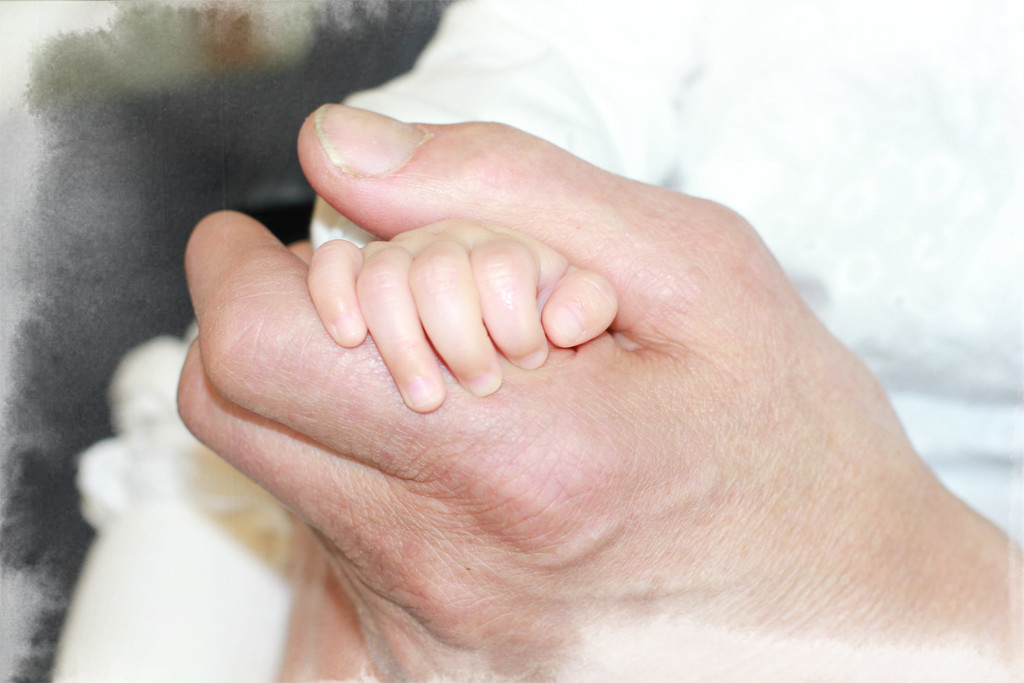
When arthritis affects grip, reach, or confidence, toenail cutting needs a safer plan. Photo source
The practical search query this article answers is arthritis toenail cutting elderly help at home. It is for an older adult, partner, adult child, or carer who has noticed that stiff fingers, sore thumbs, swollen joints, poor grip, or reduced reach are making toenail cutting feel risky.
Why arthritis changes a simple nail trim
Toenail cutting looks like a small job until arthritis changes the mechanics. The person may need to bend, twist, hold the toe still, squeeze clippers, see the nail edge clearly, and stop at the right depth. If hand joints are painful or stiff, that chain of small movements can become difficult before the nail is safely finished.
Osteoarthritis commonly causes joint pain, stiffness, and problems moving the joint, and it often affects the small joints of the hands. Arthritis UK also notes that practical home adjustments can help people live well with arthritis. For nail care, the important point is simple: the problem is not laziness or fussiness, it is a real loss of grip, reach, comfort, or control.
The commercial reason this matters for RMFC is strong. Searches around toenail cutting at home, mobile foot care, podiatrist at home, chiropodist at home, and home visit foot care often come from families who already know clinic travel or self care is becoming difficult. Arthritis is one of the common reasons that ordinary toenail cutting becomes a home visit problem.
Signs nail cutting is becoming unsafe
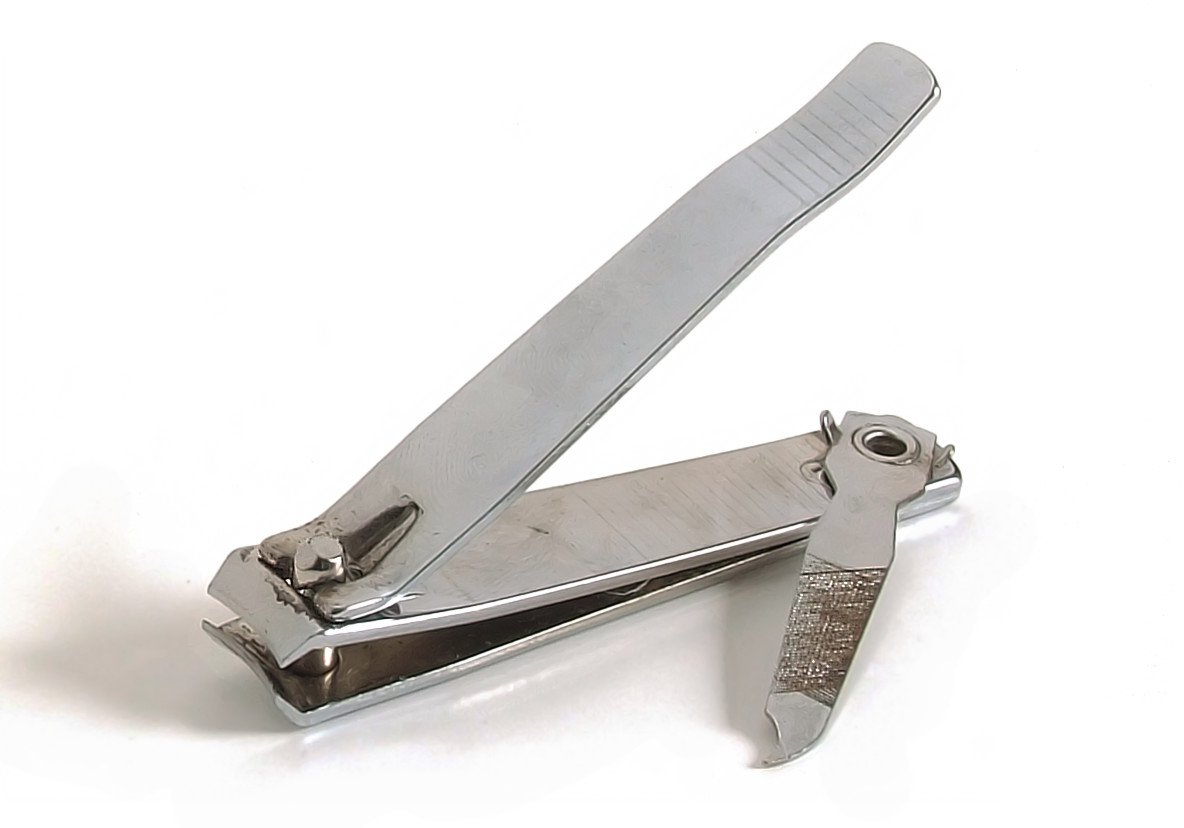
Normal clippers can become hard to control when fingers, thumbs, or wrists are painful. Photo source
A warning sign is not only a cut. It may be a nail trim that takes a very long time, causes hand pain for the rest of the day, leaves jagged nail edges, misses the corners, or makes the person hold their breath while trying to reach. It is also a concern if they are cutting by feel because they cannot bend or see the nail properly.
Rheumatoid arthritis can affect the hands, feet, and wrists, and flares can make stiffness and fatigue worse. If symptoms are new, changing, or not diagnosed, persistent joint pain and swelling should be discussed with a GP. Foot care can work around long term limitations, but it should not hide a new health problem.
Also pause if there is bleeding, broken skin, discharge, redness spreading from the nail, sudden swelling, severe pain, a black or loose nail after injury, or a nail digging into the skin. Those signs need proper assessment rather than another attempt with stronger clippers.
Why older feet still need regular checks
Avoiding toenail cutting can feel sensible when hands hurt, but long nails can cause new problems. They can catch on socks, press into shoes, scratch the next toe, lift at the edge, or make slippers feel easier than safer footwear. Foot discomfort can also change how someone walks, which matters if balance is already reduced.
Age UK explains that foot care in later life can reduce pain, infection risk, and falls risk, and that basic services may include toenail cutting. This supports a practical rule for families: when older people cannot look after their own feet comfortably, suitable help is part of staying mobile, not a cosmetic extra.
If diabetes is involved, be more cautious. Diabetes UK explains that nerve and blood vessel damage can reduce feeling and slow healing in the feet, so small injuries may be harder to notice and slower to heal. That makes rushed trimming, corn blades, and cutting by feel especially risky.
What families can try before booking help
Start with the setup rather than the clippers. Use good light, a stable chair, a supported foot position, glasses if needed, and enough time so nobody rushes. Avoid low stools, bath edges, twisting on a bed, or cutting after a tiring day. The aim is to reduce strain and keep the person steady.
Living Made Easy describes impartial advice on aids and equipment for independent living, which is relevant because practical barriers can sometimes be reduced with the right setup. Long handled files or adapted grips may help some people, but they do not solve every problem, especially thick nails, curved nails, poor eyesight, diabetes, or poor circulation.
If balance is a concern, treat foot care as a falls issue too. NICE recommends considering home hazard assessment and tailored falls prevention for people at risk, so a nail trim should not create an avoidable fall risk. If the safer chair and lighting still do not make the task manageable, stop forcing it.
When a home visit is the calmer answer
A home visit can keep routine foot care calmer when age, arthritis, or travel makes self care difficult. Photo source
A home visit is sensible when the foot problem is routine but the journey, the chair, the grip, or the bending position is not. This can include long toenails, thickened nails, hard skin, corns, cracked heels, shoe pressure, or a family member who is worried about causing a cut.
The Royal College of Podiatry patient information hub points readers toward common foot problems, diabetes, arthritis, and walking. That is useful context because foot comfort, mobility, and wider health risks often overlap. A calm foot care appointment should check more than nail length when the person has arthritis or reduced mobility.
HSE guidance on care in people's own homes says risks vary according to the person's needs, the home environment, the care being provided, and the competence of the person providing it. For mobile foot care, the home setting itself is part of safe care planning.
How to talk about it with a parent
Foot care can feel embarrassing because it touches privacy, independence, and age. A parent may refuse help because they do not want to feel managed. Keep the conversation practical: sore hands, nails catching, shoes hurting, or worry about a cut. Avoid making it about appearance.
Carers UK recognises that arranging support for someone can feel hard when you do not know where to start. Before enquiring, write down what has changed, how long the nails have been difficult, whether the person has diabetes or poor circulation, and whether there are wounds, swelling, redness, or recent falls. Clear notes turn a vague worry into a more useful support conversation.
If memory problems are involved, Alzheimer's Society advice on washing and dressing is a reminder that personal care should respect privacy, preferences, and dignity. Even with feet, calm consent is safer than pressure.
What to tell RMFC before the appointment
A useful enquiry is short and specific. Say that arthritis or stiff hands make toenail cutting difficult. Add whether the nails are thick, curled, painful, catching on socks, pressing into shoes, or digging into skin. Mention diabetes, blood thinners, poor circulation, numbness, swelling, wounds, recent falls, dementia, Parkinson's, or severe pain.
NHS inform highlights fear and anxiety about falling as part of falls prevention information. That matters because worry about falling can change how people move and care for themselves. If someone avoids foot care because they fear the bathroom, stairs, or clinic journey, say that clearly before booking.
For Surrey families, RMFC can help with routine home visit foot care where suitable, including toenail cutting, thickened nails, hard skin, corns, callus, cracked heels, and general foot comfort. If the foot looks infected, there is spreading redness, sudden swelling, severe pain, a wound, or a major change in health, seek medical advice first. If the main barrier is arthritis, grip, reach, or travel, home visit foot care may be the practical next step.
Key Takeaways
- Arthritis can make toenail cutting unsafe because grip, reach, vision, and steady positioning all matter.
- Stop trying at home if cutting causes hand pain, rushing, jagged nails, bleeding, or poor control.
- Diabetes, numbness, poor circulation, wounds, spreading redness, or severe pain need extra caution and may need medical advice first.
- A home visit can help when the foot care is routine but travel, bending, or hand stiffness is the real barrier.
Arthritis does not have to mean neglected feet, and it does not have to mean risky trimming at home. If stiff or painful hands are making toenail cutting difficult, the safest plan is to check for warning signs, make the setup easier where possible, and ask for help when the task is no longer controlled. For many older adults and families in Surrey, mobile foot care is simply the calmer way to keep routine foot care manageable.
Need Professional Foot Care?
Book a home visit and get expert treatment without leaving your house